
Understanding Fault When Multiple Drivers Collide in Anchorage
Key Takeaways: In an Anchorage multi-vehicle crash, liability depends on how much each party’s conduct contributed to the collision, with Alaska law spreading fault across several drivers and even the injured person. Fault under Alaska Stat. § 09.17.900 includes negligent, reckless, or intentional acts, as well as conduct subject to strict tort liability. Under Alaska Stat. § 09.17.080, damages track each party’s percentage share, allocated among claimants, defendants, third-party defendants, released parties, and other responsible persons. Because Alaska follows several, percentage-based liability, a defendant pays only their own share, making it essential to identify every responsible party. Recovery can be reduced by the duty to mitigate and the collateral source rule under AS 09.17.070.
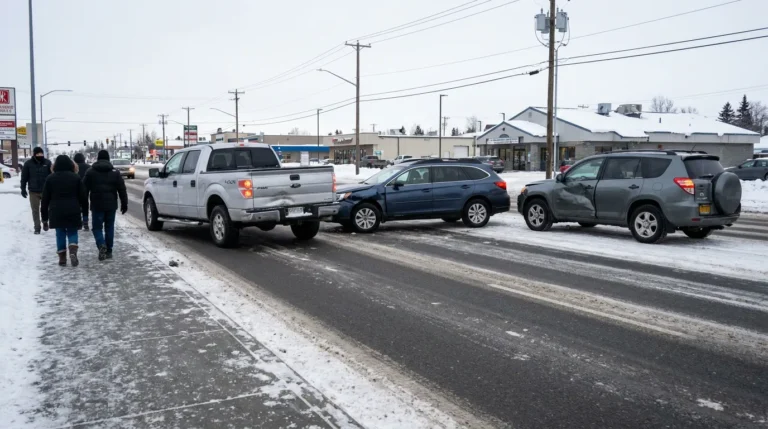
Determining who can be held liable in an Anchorage multi-vehicle crash depends on how much each party’s conduct contributed to the collision. Alaska law allows fault to be spread across several drivers, and sometimes even the injured person, rather than pinning full responsibility on one vehicle. In a chain-reaction pileup or busy intersection wreck, more than one motorist may share the blame, with each owing damages according to their percentage of fault. Understanding the legal framework early helps protect your right to recover.
If you or a loved one was hurt in a collision, the team at Farnsworth & Vance is ready to review your options. Call us at 907-290-8980 or reach out through our online case review form to discuss your next steps.
How Alaska Defines Fault in a Crash
Alaska uses a broad definition of fault when deciding who is responsible for a wreck. Alaska Stat. § 09.17.900 defines "fault" to include acts or omissions that are negligent, reckless, or intentional, or that subject a person to strict tort liability. This wide scope matters in a multi-car collision because it lets a jury consider many kinds of misconduct, from a distracted driver rear-ending traffic to a reckless motorist weaving between lanes.
The framework preserves accountability for a driver’s own conduct. The governing law does not preclude liability for civil damages that are the proximate result of a party’s own negligence or intentional misconduct. Each at-fault motorist may answer for the harm their driving caused, subject to how a court or jury weighs the evidence.
💡 Pro Tip: Write down the sequence of events as soon as you can after a crash. Memory fades quickly, and a clear timeline of who did what can be valuable when fault among several drivers is disputed.
Apportioning Responsibility Among Several Drivers
In a multi-vehicle crash, Alaska divides responsibility by assigning each party a percentage share of fault. The statutory foundation appears in Alaska Statutes Title 9, Code of Civil Procedure, Chapter 17, titled "Civil Damages and Apportionment of Fault." You can review the full text through the Alaska civil damages statutes maintained by the state legislature.
Under the apportionment rule, damages track each party’s own percentage. Alaska Stat. § 09.17.080 apportions damages according to each party’s percentage share of fault, and fault may be allocated among claimants, defendants, third-party defendants, released parties, and other responsible persons, including certain non-parties, but fault may NOT be allocated to a non-party if that person was identified as a potentially responsible person, is not protected from civil action under AS 09.10.055, and the parties HAD a sufficient opportunity to join that person in the action but chose not to do so. Even a driver who has settled and been released, or who was never named as a defendant, can be assigned a portion of fault on the verdict form, affecting how much remaining defendants owe.
Alaska has moved away from the older joint-and-several model. The Chapter 17 apportionment provisions reflect Alaska’s tort reform toward several, percentage-based liability. Under several liability, a defendant generally pays only for their own share rather than the entire award, so identifying every responsible party is essential to full recovery.
The table below outlines how fault typically gets sorted in a multi-car case.
| Party | Possible Role in the Crash | How Fault May Attach |
|---|---|---|
| Lead driver | Sudden stop, brake failure | Negligent or reckless conduct |
| Following drivers | Tailgating, distraction | Failure to keep safe distance |
| Third parties | Poor maintenance, road hazards | Negligent acts or omissions |
| Injured plaintiff | Failure to reduce harm | Comparative fault, if any |
Practical Steps and the Litigation Timeline
A personal injury case in Alaska starts with a complaint and moves through several stages before liability is settled. A civil claim begins when the plaintiff files a complaint containing allegations, and the defendant is permitted to answer and state whether those allegations are true. This exchange frames the dispute and identifies which drivers are being pursued.
After the pleadings, the case enters a fact-gathering phase. Once the defendant answers, the discovery period begins, allowing each side to learn the facts supporting the allegations and defenses. Discovery is where much of the real work on fault happens, involving depositions, records requests, and crash reconstruction.
Disputes over evidence are common in this phase. During discovery, each side may make motions to the court to require further discovery or to limit various types of evidence used in the proceedings.
Key steps for injured parties often include:
- Seeking prompt medical care and keeping every treatment record
- Preserving photos, dashcam footage, and the crash report
- Identifying all potentially responsible drivers and third parties
- Tracking lost wages and other measurable losses
💡 Pro Tip: Do not assume the driver who hit you last is the only one at fault. In icy chain-reaction wrecks, the first vehicle to lose control may bear a large share of the blame. Our related discussion on who pays after a multi-car pileup on icy roads explains how these cases can unfold.
How Damages Can Be Reduced or Limited
Even when another driver is clearly responsible, Alaska law can limit what an injured person recovers. One key doctrine is the duty to mitigate. Under Alaska’s civil jury instructions, a plaintiff is not entitled to be paid for any loss they could have avoided with reasonable efforts and without undue risk, hardship, or embarrassment. You can read this rule in the state’s avoidable consequences instruction published by the Alaska Court System.
Failure to mitigate becomes part of the fault analysis. In cases governed by AS 09.17, failure to mitigate is treated as "fault" under AS 09.17.900 and must be apportioned under AS 09.17.080. Whether a party acted reasonably is usually left to the jury.
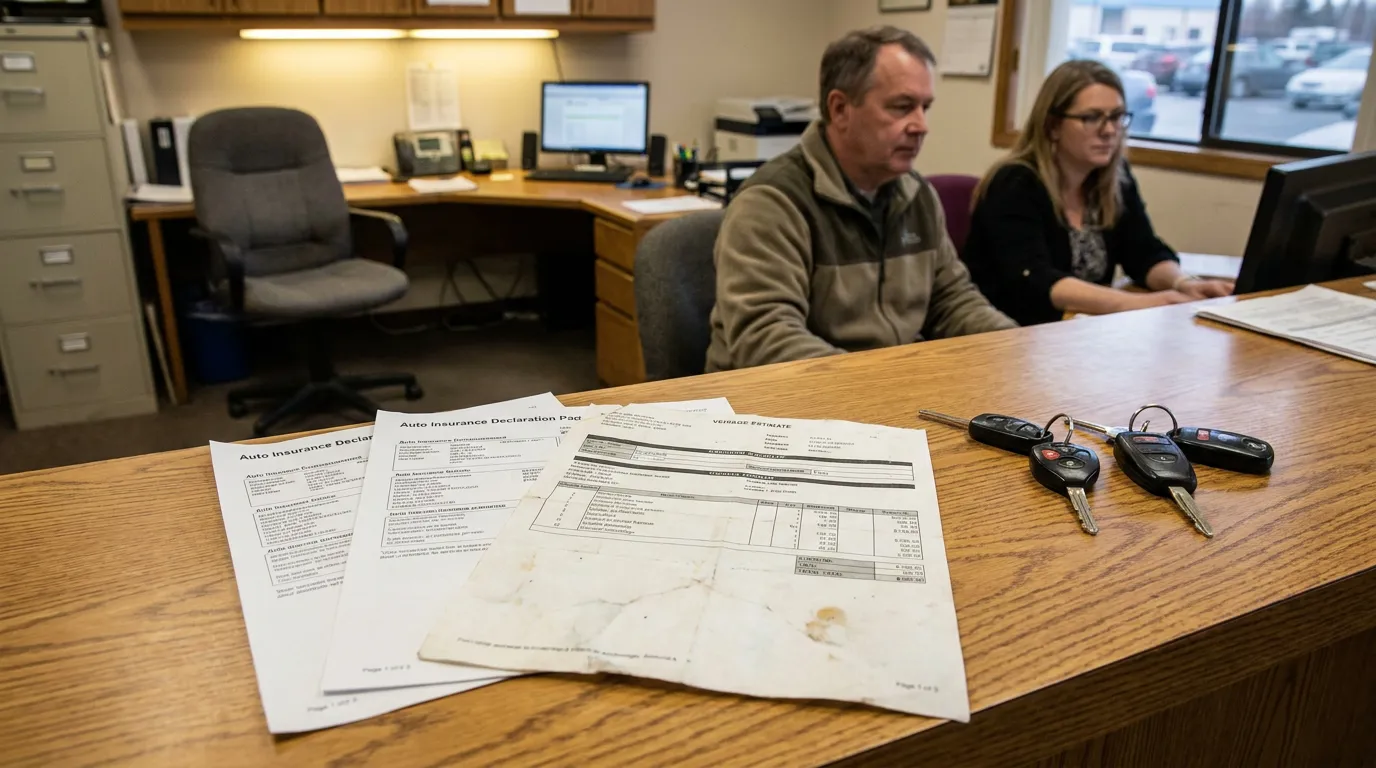
Alaska also applies a collateral source rule that affects damages calculations. Under AS 09.17.070, after the fact finder renders an award and the court awards costs and attorney fees, a defendant may introduce evidence of collateral source payments received by the claimant that are not subject to subrogation by law or contract; if the collateral benefits exceed the claimant’s offsetting evidence (excess attorney fees and insurance premiums paid), the court deducts the difference from the award. The defendant may not introduce evidence of federally funded subrogation programs or life insurance death benefits. This rule does not apply to medical malpractice actions. Understanding this rule early helps set realistic expectations.
💡 Pro Tip: Keep insurance and benefit statements organized. Because the collateral source rule has carve-outs, documenting exactly what you received and from whom can prevent confusion when damages are calculated.
When to Contact a Car Accident Attorney Anchorage Residents Rely On
Timing and legal guidance often make the difference in a multi-vehicle claim. The avoidable consequences rule is well established in Alaska tort law. Alaska Supreme Court decisions applying this rule to both property damage and personal injury claims include Anchorage Independent School District v. Stephens, ERA Helicopters v. Digicon Alaska, and Irving v. Bullock.
The rules that apply to your case depend on when your claim arose. The amended civil action provisions apply to all causes of action accruing on or after the effective date of the Act. Working with a car accident attorney Anchorage victims trust can help clarify which version of the law governs your situation and how to preserve your Anchorage injury claim.
A knowledgeable Anchorage car accident attorney can help you identify every party who may share fault, gather the evidence discovery allows, and present your losses accurately. For an overview of how our firm handles these matters, visit our page for the Anchorage car accident attorney team.
Frequently Asked Questions
-
Can more than one driver be held liable in an Anchorage crash?
Yes. Alaska apportions fault by percentage, so multiple drivers can each be assigned a share. Alaska Stat. § 09.17.080 allows fault to be allocated among claimants, defendants, third-party defendants, released parties, and other responsible persons. The exact split depends on the facts.
-
Does my own conduct affect what I can recover?
It can. If you failed to take reasonable steps to reduce your losses, that may count against you. Failure to mitigate is treated as fault under AS 09.17.900 and apportioned under AS 09.17.080. Whether your efforts were reasonable is generally a jury question.
-
What counts as "fault" under Alaska law?
Fault is defined broadly. Under Alaska Stat. § 09.17.900, fault includes acts or omissions that are negligent, reckless, or intentional, or that subject a person to strict tort liability. This lets courts consider many types of driving conduct.
-
How do insurance payments factor into my damages?
Alaska’s collateral source rule affects damages calculations. Under AS 09.17.070, a defendant may introduce evidence of collateral source payments received by the claimant that are not subject to subrogation by law or contract, with the court deducting any excess from the award, subject to exceptions for federally funded subrogation programs and life insurance death benefits, and the rule does not apply to medical malpractice actions.
-
How is liability actually proven?
Much happens in discovery. After the defendant answers, the discovery period begins so each side can learn the facts supporting the claims and defenses. Outcomes depend on the particular evidence in your case.
Protecting Your Right to Recover After a Multi-Car Wreck
Liability in an Anchorage multi-vehicle crash rarely rests on a single driver, and Alaska’s percentage-based system rewards careful attention to every responsible party. From the broad statutory definition of fault to the apportionment rules of AS 09.17.080 and the limits imposed by mitigation and collateral source doctrines, the framework is detailed and fact-sensitive. Because each case turns on its own evidence, the guidance here is general information rather than advice about your specific situation. Acting promptly and preserving documentation gives you the strongest footing.
If you are facing a multi-car collision in Anchorage or Eagle River, the attorneys at Farnsworth & Vance are here to help you understand your rights. Call 907-290-8980 or send us a message through our confidential contact page to get started today.