
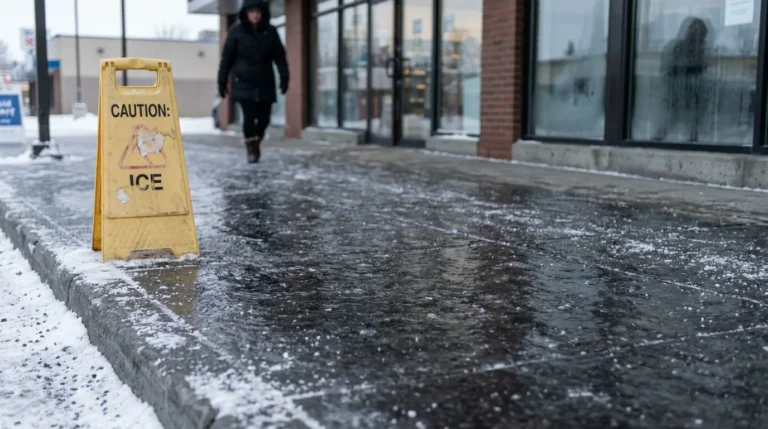
Understanding Icy Slip and Fall Claims in Anchorage
Key Takeaways: Liability for an icy slip and fall in Anchorage rests with whoever controlled the property and failed to take reasonable steps to address a foreseeable ice hazard, including homeowners, businesses, landlords, tenants, or snow-removal contractors. To recover, you must prove the responsible party breached a duty of care and caused your injuries, making early evidence like photos, incident reports, and weather records critical. Alaska follows pure comparative negligence under AS 09.17.060, so your own fault reduces but does not eliminate recovery. Because Alaska abolished joint and several liability under AS 09.17.080, each defendant pays only its proportionate share. You generally have two years to file under AS 09.10.070, with special rules for government claims. Given how fact-dependent and time-sensitive these cases are, consulting an Anchorage slip and fall attorney can help preserve evidence and protect your rights.
Liability for a slip and fall on icy property in Anchorage generally falls on whoever controlled the property and failed to take reasonable steps to address a foreseeable ice hazard. This can mean a homeowner, commercial business, landlord, tenant, or snow-removal contractor, sometimes more than one. Because Alaska follows a comparative fault system, your own conduct may also factor into the analysis.
If you were injured after falling on ice, the team at Farnsworth & Vance is ready to review your situation. Call us at 907-290-8980 or reach out through our online contact page to discuss your options.
Who May Be Held Responsible When You Fall on Ice
Determining liability in a slip and fall begins with identifying who had control over the icy area and a duty to keep it reasonably safe. Alaska premises liability principles require those who own or manage property to address hazards they knew about or reasonably should have discovered, with the duty’s scope depending on the visitor and property circumstances. When ice accumulates and is left untreated, that failure can support a claim of property owner negligence in Anchorage.
Several parties can share responsibility for a single icy fall. Potentially responsible parties include:
- Property owners who failed to sand, salt, or clear walkways
- Commercial businesses that neglected entrances, parking lots, or steps
- Landlords responsible for common areas in apartment complexes
- Snow and ice removal contractors hired to maintain the premises
- Government entities that manage certain public property
Prompt maintenance is a central factor courts and insurers weigh when evaluating a snow and ice injury in Anchorage. Federal research shows that fall-related injuries declined after grounds staff spread sand and cleared areas to dry pavement, demonstrating what reasonable precautions look like and whether they were taken.
💡 Pro Tip: Photograph the exact spot where you fell as soon as possible, including the ice, any lack of sand or salt, and surrounding lighting. Conditions change quickly in Alaska, and this evidence may disappear within hours.
Proving Property Owner Negligence in Alaska
To recover in an icy slip and fall case, you must show the property owner breached a duty of care and that the breach caused your injuries. The default rule requires proof that a hazard existed, that the responsible party knew or should have known about it, and that they failed to act reasonably. Outcomes remain fact-dependent, so similar cases can resolve differently.
Foreseeability is often decisive in winter fall claims. Alaska winters make ice a predictable risk, though foreseeability alone does not establish liability without proof of an unreasonable failure to act. The National Council on Aging notes that winter weather can lead to devastating slips and falls, and that slippery surfaces pose a foreseeable danger. You can review the organization’s guidance on preventing winter falls for practical background.
The severity of ice-related injuries underscores why these cases are taken seriously. Federal research found that during one January ice storm, 74% of acute musculoskeletal injuries resulted from falls on ice, including all seven fractures, with meaningful direct medical costs and lasting symptoms.
Evidence That Can Strengthen an Anchorage Slip and Fall Claim
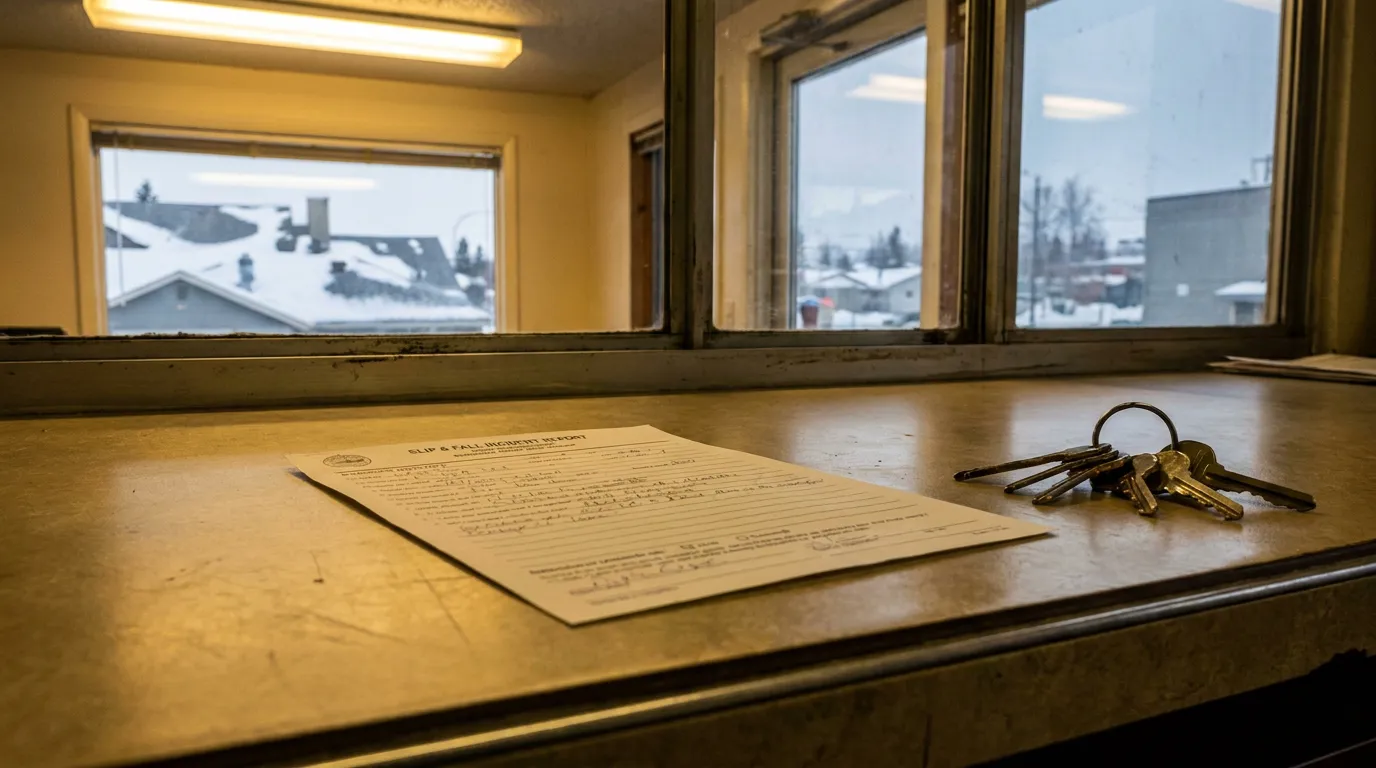
Strong documentation frequently makes the difference between a disputed claim and a well-supported one. Because the property owner may argue the ice was obvious or that you were careless, preserving proof early is important. Helpful evidence includes incident reports, weather records, surveillance footage, witness contact information, and medical records tying your injuries to the fall.
💡 Pro Tip: Report the fall to the property owner or manager in writing and request a copy of any incident report. A contemporaneous written record can be difficult for an insurer to contest later.
How Alaska’s Comparative Fault Rule Affects Your Recovery
Alaska uses pure comparative negligence, meaning your recovery is reduced by your share of fault but not automatically eliminated. Under AS 09.17.060, your contributory fault proportionately diminishes compensatory damages but does not bar recovery. So if a property owner argues you were not watching where you stepped, a jury may assign you a portion of the blame and reduce your award accordingly.
Alaska has eliminated joint and several liability, which shapes how you collect against multiple defendants. Under AS 09.17.080, each defendant is only liable for their proportionate share. This means if both a business and its snow-removal contractor share fault, each pays only its allocated percentage.
Collateral source rules can further affect the net amount you recover. Under Alaska law, a claimant may only recover damages that exceed amounts received from collateral sources, whether private, group, or governmental, subject to listed exceptions. You can read the underlying provisions within Title 9 of the Alaska Statutes for the full statutory text.
| Liability Factor | Alaska Rule | Statute |
|---|---|---|
| Fault of injured person | Reduces recovery proportionally | AS 09.17.060 |
| Multiple defendants | Each pays only its own share | AS 09.17.080 |
| Filing deadline | Generally two years | AS 09.10.070 |
| Claims vs. local government | Special rules apply | AS 09.65.070 |
💡 Pro Tip: Keep every medical bill, mileage record, and pay stub reflecting missed work. Detailed records help establish the full value of your losses and reduce disputes over damages.
Deadlines That Can Make or Break Your Case
Alaska generally sets a two-year statute of limitations for personal injury claims, including icy slip and fall cases. Under AS 09.10.070, if you do not file suit within that window, you may lose your right to recover, regardless of how strong your claim appears.
Exceptions to the deadline exist, but courts interpret them narrowly. Limited circumstances, such as injuries to minors or a plaintiff’s incapacity, can affect when the clock starts or pauses, but these do not apply automatically. AS 09.65.070 addresses suits against incorporated units of local government, and such claims may carry different procedural steps, including specific immunities and limitations on certain types of claims, but they follow the same two-year deadline as standard personal injury claims under AS 09.10.070. If you are unsure how the timeline applies, consult a lawyer before the deadline passes.
How a Slip and Fall Attorney Anchorage Residents Rely On Can Help
A qualified slip and fall attorney Anchorage injury victims turn to can investigate liability, preserve evidence, and value your claim accurately. Because Alaska’s apportionment and collateral source rules are technical, guidance from an attorney experienced in premises cases can help you avoid missteps. An attorney can also identify every potentially responsible party, from a property owner to a maintenance contractor.
Skilled representation focuses on countering the arguments insurers commonly raise. Adjusters may claim the ice was open and obvious or that you bear most of the fault. Working with an Anchorage premises liability firm can help you respond with evidence and clear legal presentation.
💡 Pro Tip: Contact an attorney before giving a recorded statement to an insurer. Early statements can be used to shift blame and reduce your anchorage slip and fall claim.
Frequently Asked Questions
1. Who is liable if I slip on ice at an Anchorage business?
The business, and sometimes a contractor, may be liable if they failed to reasonably address the ice. Liability depends on who controlled the area and whether they took reasonable maintenance steps. Determining who is liable in a slip and fall requires examining the facts, maintenance records, and hazard timeline.
2. Can I still recover if I was partly at fault?
Yes, under Alaska’s pure comparative negligence system you may still recover a reduced amount. Your award is lowered by your percentage of fault rather than barred entirely. This makes fault allocation a key issue in nearly every icy property liability Anchorage case.
3. How long do I have to file a slip and fall lawsuit in Alaska?
You generally have two years from the date of the fall under AS 09.10.070. Limited exceptions may apply, but courts construe them narrowly, so waiting is risky. Claims involving government-owned property are subject to specific procedural rules under AS 09.65.070, though the same two-year deadline generally applies.
4. What damages can I pursue after an icy fall?
Injured Alaskans may pursue medical bills, lost wages, and pain and suffering, subject to statutory limits. Collateral source rules under Title 9 can affect the net recoverable amount, and non-economic damages may be capped by statute. Claim value depends heavily on injury severity and supporting evidence.
5. Do I need a lawyer for a slip and fall claim?
You are not required to hire an attorney, but complex liability and fault rules often make guidance valuable. A slip and fall lawyer Alaska residents consult can handle investigation, negotiation, and litigation, especially helpful in serious injury cases involving surgery or permanent harm.
Protecting Your Rights After a Winter Fall
Establishing who is liable for a slip and fall on icy property in Anchorage comes down to control of the premises, reasonable maintenance, and Alaska’s comparative fault and deadline rules. Property owners, businesses, landlords, and contractors can each bear a proportionate share of responsibility, while your own conduct may reduce recovery under AS 09.17.060. Because these cases are fact-dependent and time-sensitive, acting promptly to preserve evidence and understand the two-year filing window can make a meaningful difference.
If a serious icy fall has changed your life, the attorneys at Farnsworth & Vance are here to listen and explain your options. Call 907-290-8980 today or send us a message through our case review request form to take the next step toward protecting your rights.