
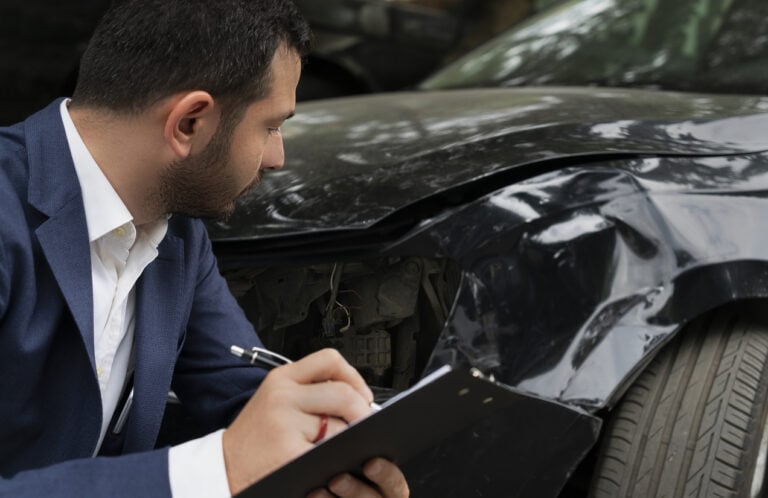
A car accident can leave you shaken, confused, and unsure about what to do next. Even a seemingly minor crash can result in injuries, vehicle damage, and unexpected expenses. Knowing how to respond in the moments and days after an accident can help protect your well-being and preserve important information for insurance claims.
If you are involved in a collision anywhere in Alaska, taking the right steps can make the recovery process smoother and help you avoid common mistakes.
Check for Injuries and Call 911
Your first priority should always be safety. Check yourself, your passengers, and anyone else involved in the accident for injuries. If someone appears hurt, call 911 right away and request emergency medical assistance.
If your vehicle can be moved safely, relocate it to the shoulder or another secure area away from traffic. Turn on your hazard lights and remain at the scene until law enforcement arrives.
When speaking with first responders:
- Provide accurate information about what happened.
- Report any pain or symptoms you are experiencing.
- Follow emergency personnel’s instructions.
- Accept a medical evaluation if recommended.
Even injuries that seem minor can become more serious in the hours after a crash.
Report the Accident to Law Enforcement
Having an official accident report can be helpful when dealing with insurance companies and documenting what occurred.
When officers arrive:
- Answer questions honestly.
- Provide requested identification and insurance information.
- Stick to factual observations.
- Avoid guessing about the cause of the accident.
It is important not to apologize or make statements that could be interpreted as admitting fault. The full circumstances of a crash are often not clear until all evidence has been reviewed.
Exchange Information with the Other Driver
Before leaving the scene, exchange information with every driver involved.
Be sure to collect:
- Full names
- Phone numbers
- Addresses
- Driver’s license numbers
- Insurance information
- Vehicle registration details
- License plate numbers
Keep conversations brief and professional. Discussions about blame rarely help and may create problems later.
Document the Accident Scene
Photos and notes taken immediately after a collision can provide valuable information later.
If it is safe to do so, gather:
- Photos of all vehicle damage
- Images of the roadway and the surrounding area
- Pictures of traffic signs and signals
- Photos of skid marks or debris
- Pictures of visible injuries
- Contact information for witnesses
Details that seem insignificant immediately after an accident may become important later.
Seek Medical Attention Promptly
Many accident victims feel relatively normal immediately after a crash because adrenaline can temporarily mask pain.
A medical evaluation can help identify injuries such as:
- Concussions
- Whiplash
- Soft-tissue injuries
- Internal bleeding
- Back and neck injuries
Prompt treatment is important for both your health and your medical records. Following your doctor’s treatment plan can also help document the impact of your injuries.
Notify Your Insurance Company
Most insurance policies require drivers to report accidents within a reasonable time.
When speaking with your insurer:
- Provide basic facts about the collision.
- Be truthful and accurate.
- Avoid speculation.
- Keep copies of all correspondence.
If another insurance company contacts you, be cautious about providing recorded statements until you fully understand your injuries and losses.
Keep Records of Your Expenses and Losses
Organized records can help you keep track of the financial impact of an accident.
Consider saving:
- Medical bills
- Pharmacy receipts
- Repair estimates
- Vehicle repair invoices
- Rental car expenses
- Documentation of missed work
- Insurance communications
Keeping everything in one place can make the claims process easier to manage.
Avoid Posting About the Accident on Social Media
After an accident, it may be tempting to update friends and family online. However, social media posts can sometimes be taken out of context.
Consider avoiding posts about:
- The accident itself
- Your injuries
- Medical treatment
- Physical activities
- Insurance claims
Even innocent posts can create misunderstandings later.
Speak with an Attorney if You Were Injured
Serious accidents often involve more than vehicle repairs.
If you suffered injuries, an attorney may be able to help with:
- Investigating the collision
- Preserving evidence
- Communicating with insurance companies
- Evaluating available compensation
- Protecting your legal rights
Learning about your options can help you make informed decisions after an accident.
Call Farnsworth & Vance Personal Injury Lawyers for a Free Consultation With an Anchorage Car Accident Lawyer
The aftermath of a crash can feel overwhelming, especially when injuries, medical bills, and insurance issues begin to pile up. Farnsworth & Vance Personal Injury Lawyers helps injured Alaskans understand their options and move forward with confidence after serious collisions.
For more information, please contact Farnsworth & Vance Personal Injury Lawyers to schedule a free consultation. We have two locations in Alaska, including Anchorage and Eagle River.
Farnsworth & Vance Personal Injury Lawyers – Anchorage
2525 Gambell St #410,
Anchorage, AK 99503
(907) 290-8980
Farnsworth & Vance Personal Injury Lawyers – Eagle River
13135 Old Glenn Hwy, Suite 101
Eagle River, AK 99577
(907) 802-4097