
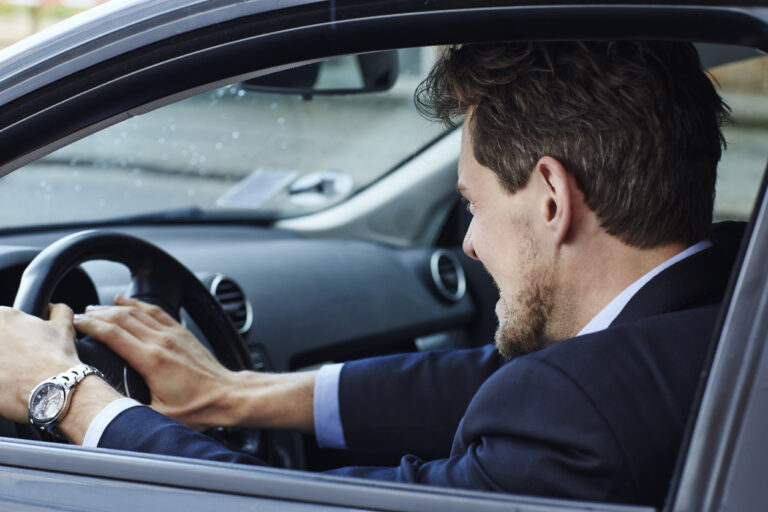
Most drivers have experienced moments of frustration behind the wheel. Heavy traffic, slow-moving vehicles, and aggressive drivers can test anyone’s patience. Unfortunately, some drivers respond to that frustration in dangerous ways. One of the most common examples is brake checking. Brake checking occurs when a driver intentionally slams on their brakes or brakes suddenly to intimidate, scare, or retaliate against the driver behind them. While some people view it as harmless, brake checking can lead to serious accidents and severe injuries. In Alaska, where drivers may contend with snow, ice, or poor visibility, brake-checking can be particularly dangerous. Understanding how brake-checking accidents occur can help injury victims better understand their rights.
What Is a Brake-Checking Accident?
A brake-checking accident typically occurs when one driver suddenly and intentionally applies their brakes, causing the vehicle behind them to react. The goal of brake checking may be to:
- Punish a driver for following too closely
- Express anger or frustration
- Force another driver to slow down
- Intimidate another motorist
Unfortunately, these actions can easily cause a rear-end collision. In Alaska, where road conditions are often less than ideal, even a brief loss of stopping distance can lead to a serious crash.
Why Brake Checking Is So Dangerous
Many people assume rear-end accidents occur only because the trailing driver was not paying attention. While that is sometimes true, brake-checking accidents often involve intentional and unpredictable behavior by the lead driver. Several factors make brake checking especially dangerous.
Reduced Reaction Time
Drivers need time to perceive a hazard, react, and bring their vehicle to a stop. When a driver brakes unexpectedly, the vehicle behind them may have only seconds, or even fractions of a second, to respond.
Alaska’s Road Conditions
Snow, ice, slush, and freezing temperatures are common throughout much of Alaska. These conditions can significantly increase stopping distances and reduce vehicle control. A sudden brake application on an icy roadway can easily trigger a collision.
High-Speed Impacts
Brake-checking incidents frequently occur on highways and major roadways where vehicles are traveling at higher speeds. The faster vehicles are moving, the more severe the resulting collision can become.
Chain-Reaction Crashes
A brake-checking accident may involve more than two vehicles. One sudden stop can trigger a multi-vehicle pileup, particularly in heavy traffic.
Common Injuries in Brake-Checking Accidents
Rear-end collisions caused by brake checking can result in a wide range of injuries. Common examples of injuries from brake-checking crashes can include:
- Whiplash and other neck injuries
- Concussions and traumatic brain injuries (TBIs)
- Back injuries, including herniated discs
- Spinal cord injuries
- Shoulder injuries, such as rotator cuff tears
- Broken bones and fractures (arms, wrists, ribs, legs, or ankles)
- Facial injuries from airbag deployment or impact with the steering wheel
- Chest injuries, including bruising, fractured ribs, or internal organ damage
- Knee injuries caused by impact with the dashboard
- Soft tissue injuries, including sprains, strains, and torn ligaments
- Internal bleeding and organ injuries
- Cuts, lacerations, and contusions from shattered glass or vehicle debris
- Psychological injuries, including anxiety, PTSD, and driving-related phobias
- Wrongful death in severe high-speed rear-end collisions
Brake-checking accidents can cause significant injuries even at relatively low speeds due to the sudden, unexpected nature of the collision.
Who May Be Liable in a Brake-Checking Accident?
Liability in a brake-checking accident is often more complicated than people might assume. Some of the potentially responsible parties include:
- The Brake-checking driver. Evidence that the braking was intentional can affect the case significantly.
- The following driver. Insurance companies often argue that the trailing driver should have been able to avoid the collision. That argument is not always valid when the lead driver acted recklessly or intentionally.
- Shared liability. In some cases, both drivers may share liability for the crash.
How Do You Prove a Brake-Checking Accident?
Evidence is often the most critical component in these cases. Helpful evidence may include:
- Dash camera footage
- Witness statements
- Surveillance footage
- Vehicle data
- Expert witness accident reconstruction
What Damages Can You Recover?
If another driver’s negligence or reckless conduct caused the accident, Alaska law may allow you to recover compensation for both economic and non-economic damages, including:
- Medical expenses
- Lost wages and loss of future earning capacity
- Pain and suffering
- Property damage
An experienced personal injury lawyer can help you evaluate the full scope of your damages.
Contact Our Anchorage Car Accident Lawyers at Farnsworth & Vance Personal Injury Lawyers
Brake checking is not simply rude or inconsiderate behavior. It can be extremely dangerous and puts everyone on the road at risk. If you were injured in a brake-checking accident in Alaska, you deserve competent legal assistance. Contact Farnsworth & Vance Personal Injury Lawyers for a free consultation to get started on your case. Our car accident lawyers can help you understand your legal rights and options and pursue the compensation you deserve.
We have two locations in Alaska, including Anchorage and Eagle River.
Farnsworth & Vance Personal Injury Lawyers – Anchorage 2525 Gambell St #410, Anchorage, AK 99503 (907) 290-8980
Farnsworth & Vance Personal Injury Lawyers – Eagle River 13135 Old Glenn Hwy, Suite 101 Eagle River, AK 99577 (907) 802-4097