
Why Your Own Choices After a Crash Can Shape Your Recovery
Key Takeaways: The duty to mitigate damages after an Alaska car accident requires an injured person to take reasonable steps to avoid making their losses worse, and it generally applies to conduct after the crash rather than fault for the collision itself. Alaska has no standalone mitigation statute; the doctrine comes from common law and operates alongside the comparative fault framework in AS 09.17.060. Courts apply a reasonableness standard, not a perfection standard, so following through on treatment, attending appointments, returning to appropriate light duty, and protecting a damaged vehicle are typical areas of focus. You are generally not required to accept risky or invasive procedures, and a documented, medically informed refusal may be found reasonable. A successful mitigation defense typically reduces recoverable damages for the avoidable portion of harm rather than barring recovery entirely, and the party asserting it generally carries the burden of proof. Because these disputes often turn on the quality of the record, contemporaneous documentation of gaps, restrictions, and financial barriers can be decisive.
Under Alaska law, an injured person generally must take reasonable steps to limit harm caused by someone else’s negligence. This principle, often called the duty to mitigate damages, does not shift blame for the collision itself. Instead, it asks whether you acted reasonably after the crash to avoid making your losses worse. If a court or insurer concludes part of your harm was reasonably avoidable, that portion of your claim may be reduced, subject to the facts of your case.
If you were hurt in a collision in Anchorage, Eagle River, or anywhere in Southcentral Alaska, the team at Farnsworth & Vance can help you understand how this doctrine may affect your claim. Call 907-290-8980 to discuss your situation, or contact us now to request a confidential case review.
The Legal Foundation for the Duty to Mitigate Damages Alaska Recognizes
Alaska does not have a single standalone statute titled "mitigation of damages." The doctrine developed through common law and operates alongside the state’s civil damages framework in Title 9, including AS 09.17.060 and related sections of AS 09.17.
Alaska follows a pure comparative fault approach under AS 09.17.060, meaning a claimant’s recovery is generally reduced in proportion to that claimant’s own share of fault rather than barred outright. Mitigation is related but distinct: comparative fault looks at conduct that contributed to the crash, while the avoidable consequences doctrine looks at conduct after the crash that allegedly increased the harm. The two sometimes overlap, and insurers frequently blend the arguments, which is one reason these disputes can become fact-intensive.
Courts generally apply a reasonableness standard rather than a perfection standard. The question is not whether you made the optimal decision in hindsight, but what a reasonable person in similar circumstances, with similar resources and access to care, would have done. Academic commentary published in the Alaska Law Review has examined how Alaska courts analyze doctrinal damages questions of this kind, and the analysis often depends heavily on the record developed in each case.
What It Actually Means to Mitigate Damages After a Car Accident
Mitigation is generally about reasonable follow-through, not sacrifice. In a typical motor vehicle injury claim, the conduct at issue usually involves medical treatment, work, and property repair. The burden of proving a failure to mitigate falls on the party asserting it, meaning the defense must come forward with evidence rather than simply speculating that you could have healed faster.
Common categories where mitigation questions arise include the following:
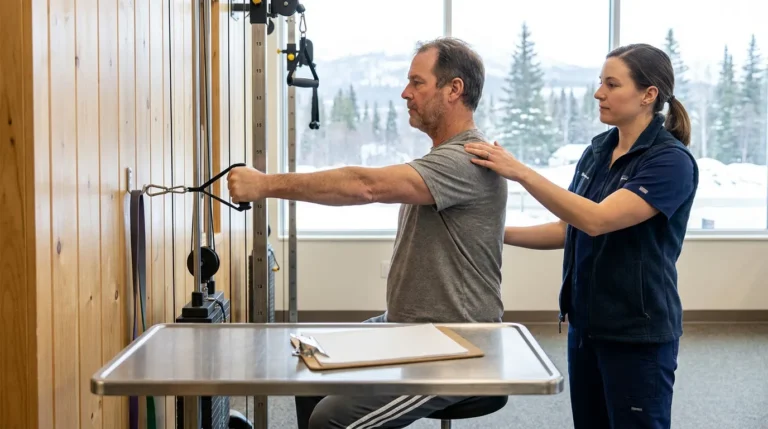
- Following through with recommended medical treatment, physical therapy, or diagnostic imaging
- Attending scheduled appointments and avoiding unexplained gaps in care
- Returning to appropriate light-duty work when a treating provider releases you to do so
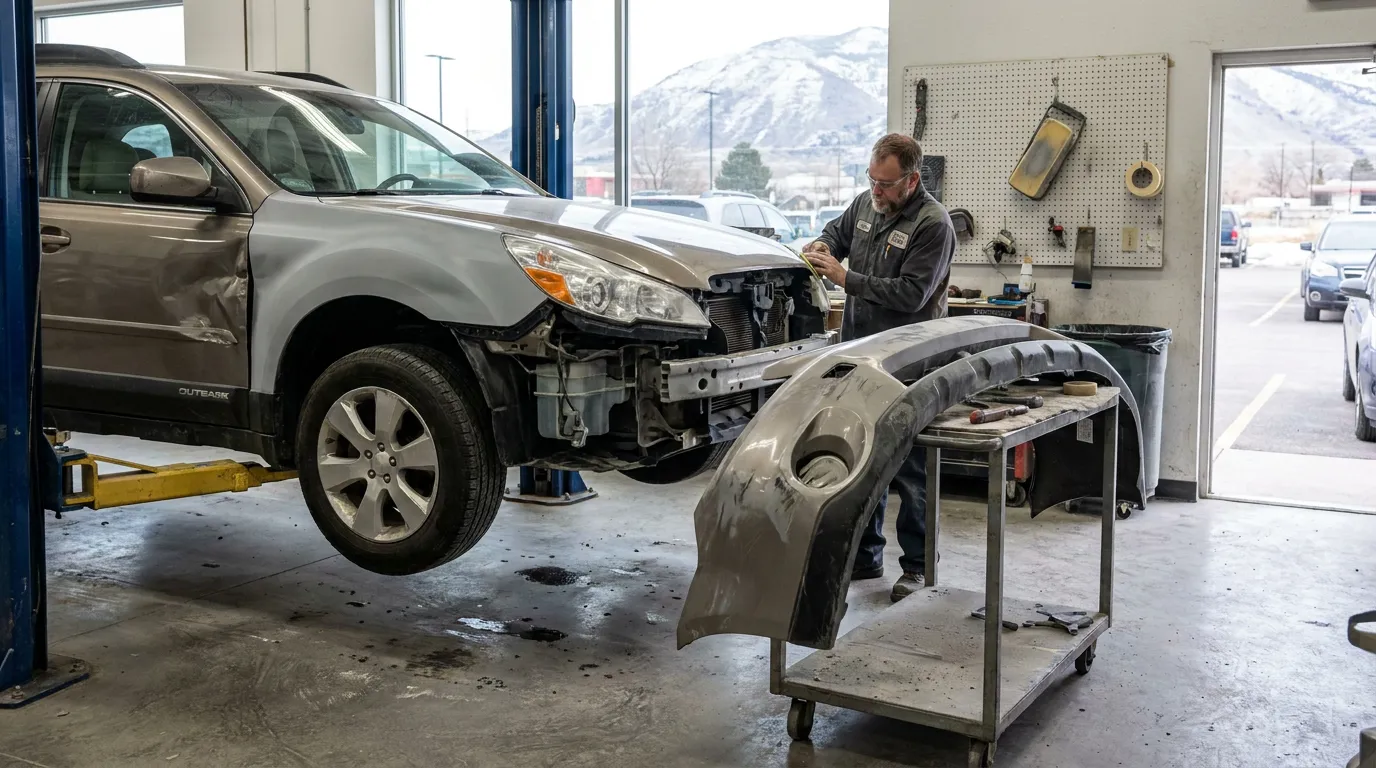
- Taking reasonable steps to secure and protect a damaged vehicle from further loss
- Communicating restrictions accurately to an employer to preserve wage continuity
None of these obligations generally require you to undergo treatment you reasonably decline. Alaska courts, like courts in most jurisdictions, generally do not require an injured person to accept surgery or invasive procedures carrying meaningful risk. Depending on the facts, a documented refusal based on medical advice, sincerely held religious conviction, financial inability, or genuine risk may be found reasonable. The key is usually documentation and consistency.
Gaps in Treatment Are the Most Common Flashpoint
Insurers routinely scrutinize the calendar. A six-week stretch with no medical visits often becomes the centerpiece of a mitigation argument, even when the gap had an innocent explanation. Weather, remote geography, provider waitlists, childcare obligations, and seasonal work schedules can all create real barriers for Alaskans.
Explaining the gap contemporaneously tends to be far more persuasive than explaining it two years later. If you cannot attend an appointment, ask the clinic to note the reason in your chart. That habit may strengthen your position on causation and on the reasonableness of your care.
💡 Pro Tip: Keep a simple dated log of symptoms, missed workdays, canceled appointments, and the reason for each cancellation. This kind of contemporaneous record is frequently more credible than reconstructed testimony.
How Mitigation Affects Alaska Injury Claim Value
A successful mitigation defense generally does not defeat a claim outright; it typically reduces the recoverable amount. The reduction is generally limited to the portion of harm the defense proves was reasonably avoidable. That matters, because insurers sometimes present mitigation as an all-or-nothing bar to recovery, which misstates the doctrine.
The categories of loss at stake are generally the same ones that drive most claims. Medical expenses, future care needs, lost wages, diminished earning capacity, and pain and suffering may all be affected. For a fuller picture, our overview of Alaska car accident damages walks through each category in detail.
| Post-Crash Conduct | Typical Insurer Argument | Practical Response |
|---|---|---|
| Delayed initial treatment | Injuries were minor or unrelated | Medical records noting onset and symptom progression |
| Extended gap in care | Recovery was complete | Documented barriers to access noted in the chart |
| Declined a recommended procedure | Claimant worsened the harm | Provider notes on risk, alternatives, and informed refusal |
| Did not return to light duty | Wage loss was avoidable | Written work restrictions from a treating provider |
Insurance Coverage and the Practical Side of Mitigation
Financial reality often plays a significant role in whether post-crash conduct looks reasonable. Alaska generally requires drivers to carry minimum liability coverage, subject to statutory exceptions, and the Division of Insurance explains the standard auto insurance coverage options available to consumers, including liability, collision, comprehensive, and uninsured or underinsured motorist coverage. These coverages may determine whether an injured person can realistically access continuing treatment.
When an at-fault driver carries only minimum limits, underinsured motorist coverage may become the practical source of car accident compensation Alaska residents rely on. An at-fault driver’s failure to maintain mandatory insurance may also carry licensing or registration consequences, but those are separate from your civil claim and do not create a source of payment. Coverage availability is fact-specific and should be evaluated early in any claim.
Timing Matters Independently of Mitigation
Alaska’s general statute of limitations for personal injury lawsuits is two years under AS 09.10.070. Limited exceptions, including tolling for minors or incapacity and application of the discovery rule in some circumstances, may apply, but these exceptions are narrow and fact-specific and should not be treated as automatic.
Claims involving a state or municipal entity generally follow the same two-year civil statute of limitations under AS 09.10.070, AS 09.50.250, and AS 09.65.070. The Alaska Supreme Court has held that shorter notice-of-claim provisions in municipal charters are impliedly prohibited under state law, and Alaska does not impose valid shorter pre-suit notice deadlines for typical tort claims against state or municipal entities. Both the applicable limitations period and any procedural requirements should be identified early in any claim.
Working With an Anchorage Car Accident Attorney on Mitigation Issues
Mitigation disputes are usually won or lost on the quality of the record. Treating provider testimony, consistent documentation of restrictions, and a credible explanation for any deviation from a treatment plan may carry considerable weight. An Anchorage car accident attorney can help identify which parts of your record may draw scrutiny and how to address them before a claim is evaluated.
Every case turns on its own facts, and no outcome can be predicted in advance. An attorney can generally help you understand the standard being applied, preserve evidence while it still exists, and respond to a mitigation argument with something more substantive than recollection.
💡 Pro Tip: Before giving any recorded statement, review your treatment timeline. Adjusters often ask open-ended questions about gaps in care specifically to build an avoidable consequences argument.
Frequently Asked Questions
1. Does the duty to mitigate mean I have to accept any treatment a doctor recommends?
Generally, no. The standard is reasonableness, not compliance with every recommendation. Courts may consider the risk of the procedure, its likelihood of success, cost, and your circumstances. A documented, medically informed refusal of a risky or invasive procedure may be found reasonable, though the analysis is fact-dependent.
2. Can a treatment gap completely destroy my claim?
A gap in care rarely eliminates a claim by itself. It more commonly reduces the value attributed to a particular period of harm or gives the insurer leverage on causation. Documented explanations, such as provider unavailability or travel barriers, may meaningfully limit the effect.
3. Who has to prove that I failed to mitigate?
The party asserting the defense generally bears the burden of proof. That typically means the defense must present evidence, often including medical testimony, showing both that reasonable action was available and that taking it would have reduced the harm. Speculation alone is generally insufficient.
4. How does mitigation interact with Alaska’s comparative fault rules?
They are generally related but separate reductions. Comparative fault under AS 09.17.060 generally addresses responsibility for causing the collision, while mitigation addresses conduct afterward. A claim may be reduced under one, both, or neither, depending on the evidence presented.
5. What should I do if I cannot afford recommended treatment?
Document the financial barrier and discuss alternatives with your provider. Inability to pay is a circumstance courts may consider when evaluating reasonableness, though it is not automatically a complete answer to a mitigation argument. Available coverage, including any medical payments or underinsured motorist benefits, should be reviewed promptly.
Protecting the Value of Your Claim Starts Early
The duty to mitigate damages Alaska courts recognize is generally a reasonableness obligation, not a trap. It asks injured people to follow through on care, communicate honestly about limitations, and avoid choices that predictably worsen their losses. Because the doctrine is applied against the full factual record, the steps you take in the weeks after a crash may matter far more than arguments made months later. Outcomes always depend on the specific facts, available coverage, and the medical evidence developed along the way.
If an insurer has suggested that you failed to take reasonable care after a crash, you do not have to respond to that argument alone. Reach out to Farnsworth & Vance by calling 907-290-8980, or schedule your consultation today to discuss how Alaska personal injury law applies to your circumstances.
Disclaimer: This content is for informational purposes only and is not legal advice. Every case is unique, and results may vary. Consult an attorney about your specific circumstances.