
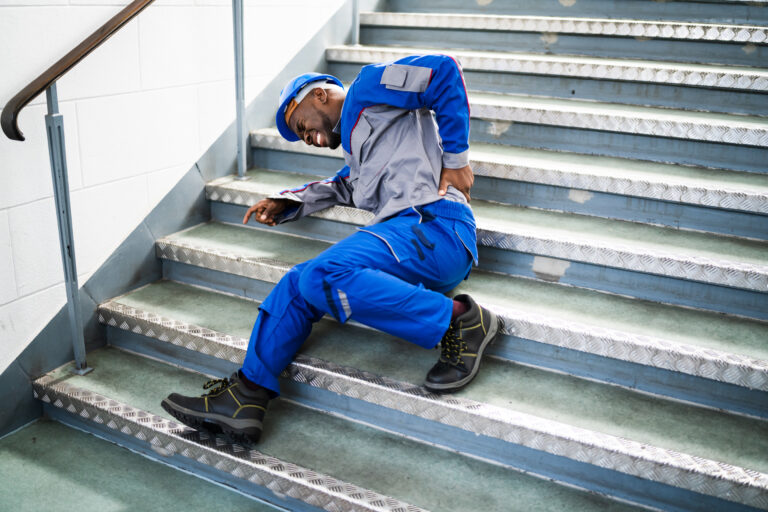
If you’ve ever heard the term “slip and fall,” you might assume it covers all types of falls. But in reality, there are two closely related – yet legally distinct – types of cases: slip and fall accidents and trip and fall accidents.
While both fall under the broader category of premises liability, the cause of the fall can differ in important ways. Understanding these differences can help you better evaluate your situation and know what to expect if you pursue a claim.
A skilled personal injury lawyer can help you navigate these types of cases and pursue compensation when unsafe property conditions lead to harm. An experienced Anchorage slip and fall accident lawyer understands how Alaska premises liability law applies to your specific circumstances.
What Is a Slip and Fall Accident?
A slip and fall accident typically occurs when a person loses traction between their feet and the walking surface. In other words, something causes the ground to become slippery.
These accidents often involve hazards like:
- Wet or freshly mopped floors
- Ice or snow accumulation
- Spilled liquids in stores or restaurants
- Greasy or oily surfaces
- Polished floors without proper warning signs
In Alaska, slip and fall accidents are especially common during the winter months. This is because ice and snow create dangerous conditions on sidewalks, parking lots, and entryways. The key factor in a slip and fall case is that the surface itself is too slick to safely walk on.
What Is a Trip and Fall Accident?
A trip and fall accident, on the other hand, occurs when a person’s foot catches on something, causing them to lose balance and fall forward.
These accidents are usually caused by obstacles or uneven surfaces, such as:
- Cracked or uneven sidewalks
- Loose carpeting or flooring
- Cords or wires in walkways
- Debris left on the ground
- Broken or uneven stairs
Instead of slipping due to a lack of traction, the person trips over something that should not have been there or a tripping hazard that should have been repaired. Trip and fall injuries can be just as severe as those from slip and fall incidents.
How Slip & Fall and Trip & Fall Accidents Differ
At a basic level, the difference between these cases comes down to how the fall happens. A slip and fall typically involves a loss of traction caused by a slippery surface, while a trip and fall usually results from a loss of balance due to an obstruction or uneven surface.
This distinction may seem minor, but it can play an important role in proving liability. In a slip and fall case, the focus is often on whether a property owner allowed a dangerous, slippery condition to exist. In a trip and fall case, the issue is more likely to center on whether a hazard or defect should have been repaired or removed.
The type of hazard involved can ultimately affect what evidence is needed and how the case is argued. A personal injury lawyer familiar with Anchorage premises liability claims can identify which factors matter most in your situation.
How Does Alaska Law Apply to These Cases?
Both slip and fall and trip and fall accidents are governed by Alaska’s premises liability laws. Property owners in Alaska have a duty to maintain reasonably safe conditions for people who are lawfully on their property.
This includes:
- Regularly inspecting for hazards
- Fixing dangerous conditions
- Providing warnings when hazards cannot be immediately addressed
Alaska follows a pure comparative fault system. This means that even if you are partially responsible for your fall, you may still recover compensation. However, your recovery may be reduced based on your percentage of liability.
For example, if you are found to be 20% responsible, your total compensation would be reduced by 20%.
What Evidence Helps Prove Liability?
Whether your case involves a slip or a trip, proving liability comes down to showing that the property owner failed to act reasonably.
Strong evidence can make a significant difference in your case. Common evidence includes:
- Photos or videos of the accident scene and hazard
- Incident reports filed with the property owner or manager
- Witness statements from people who saw the fall or the hazard
- Maintenance and inspection records showing knowledge of the condition
- Medical records documenting your injuries and treatment
Documentation of your injuries helps establish the connection between the fall and the harm you suffered. Because conditions can change quickly, it’s important to gather evidence as soon as possible.
What Damages Can You Recover?
If you were injured in a slip or trip accident caused by someone else’s negligence, you may be able to recover both economic and non-economic damages.
Common examples include:
- Medical expenses, including emergency care, surgery, and rehabilitation
- Lost wages from time away from work
- Loss of earning capacity if injuries affect your ability to work
- Pain and suffering
- Out-of-pocket expenses
- Reduced quality of life
The value of your claim will depend on the severity of your injuries and how they impact your life. An Anchorage personal injury attorney can evaluate your case and help you understand what compensation may be available.
Contact Farnsworth & Vance Personal Injury Lawyers To Schedule a Free Consultation With an Anchorage Personal Injury Attorney
Slip and fall and trip and fall accidents may seem similar. However, the difference between a slippery surface and a physical obstacle can shape how your case is handled in Alaska. Understanding what caused your fall is an important step toward protecting your legal rights.
If you’ve been injured in a fall, don’t wait to get help. Contact Farnsworth & Vance Personal Injury Lawyers today to schedule a free consultation with an Anchorage personal injury lawyer. We can help you understand your options so you can move forward with confidence.
For more information, please contact Farnsworth & Vance Personal Injury Lawyers to schedule a free consultation. We have two locations in Alaska, including Anchorage and Eagle River.
Farnsworth & Vance Personal Injury Lawyers – Anchorage
2525 Gambell St #410,
Anchorage, AK 99503
(907) 290-8980
Farnsworth & Vance Personal Injury Lawyers – Eagle River
13135 Old Glenn Hwy, Suite 101
Eagle River, AK 99577
(907) 802-4097