
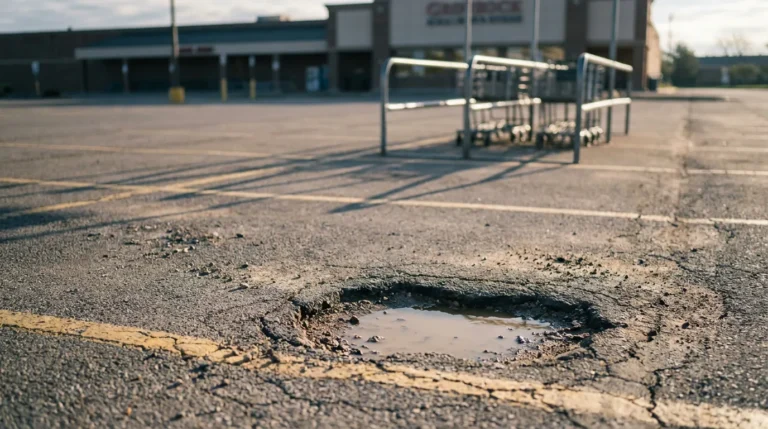
Sorting Out Fault After a Grocery Store Parking Lot Fall in Alaska
Key Takeaways: If you fall in a grocery store parking lot in Alaska, the property owner, the grocery store tenant, a snow removal contractor, or several of them together may be responsible, depending on who controlled and maintained the area. Leases often split duties like plowing, sanding, drainage, and repairs, so liability can differ from one shopping center to the next. Under Alaska law, the judge or jury assigns each party a percentage of fault, and each defendant generally pays only its own share, so naming every responsible party matters. Under pure comparative fault, you may still recover if you were partly to blame, but your award is generally reduced by your share of fault. You generally have two years to file a personal injury lawsuit, and noneconomic damages are generally capped. Moving quickly to collect photos, incident reports, witness names, and video can help show who was responsible.
More than one party may be responsible if you fall in a grocery store parking lot in Alaska, and liability often depends on who controlled the area where you fell. The property owner, the grocery store tenant, a snow removal contractor, or some mix of them may share fault. Alaska law asks a judge or jury to give each responsible party a percentage of fault, and each defendant generally pays only its own share.
If you suffered a serious injury in a parking lot fall, you do not have to sort out who is liable by yourself. The team at Farnsworth & Vance can review how your fall happened and who may have been responsible for maintaining the lot. Call 907-290-8980 or contact us now to talk through your options.
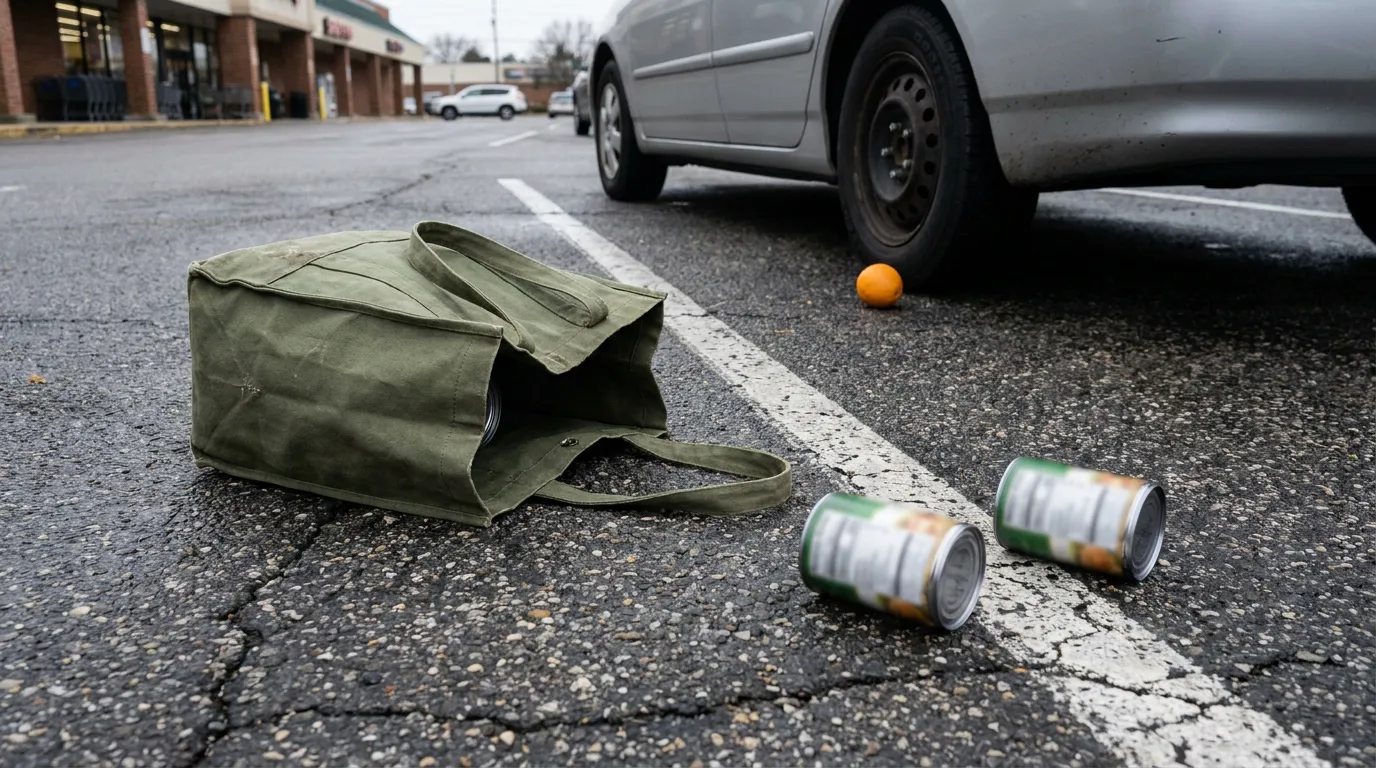
Why Control of the Lot Matters
In a parking lot injury case, the key question is usually who controlled the area and had to keep it reasonably safe. A parking lot may be owned by one company, leased to another, and plowed or sanded by a third. Leases often divide these duties, so the answer can change from one shopping center to the next.
Landlord Liability for Shared Lots
Landlord liability tends to come up when a grocery store sits in a shopping center whose owner keeps control of shared areas such as parking lots, sidewalks, and lighting. In many commercial leases, the landlord handles snow removal, pothole repair, and drainage in shared spaces. If ice built up because of a drainage problem the owner knew or should have known about and did not fix within a reasonable time, the owner may share responsibility.
Tenant Liability for Store-Controlled Areas
The grocery store may be liable when it leases or controls the lot, or takes on maintenance duties through its lease. A store that runs its own snow removal, sets out cart corrals, or controls the area near its entrance may owe customers a duty of reasonable care there. Whether that duty exists generally depends on the lease and on what the store actually did day to day.
Maintenance Contractors and Other Parties
Snow plowing and ice control companies may also be responsible if they did careless work or skipped scheduled service. A contractor that piles snow where meltwater runs across walkways and then freezes could be partly at fault, though the scope of its duty often depends on its contract. These contracts usually surface only after someone investigates, which is one reason early legal review can help.
💡 Pro Tip: Write down the name on any plow truck, sanding vehicle, or posted maintenance sign you saw near the lot. That detail can help identify a contractor who would otherwise be hard to trace.
How Alaska Divides Fault Among Multiple Defendants
When several parties may be at fault, Alaska law requires the judge or jury to assign each one a percentage of the total fault. Under AS § 09.17.080(a)(2), the trier of fact indicates the percentage of fault allocated to each claimant, defendant, third-party defendant, person released from liability, or "other person responsible for the damages."
In setting those percentages, the judge or jury looks at both the conduct and how closely it caused the harm. Under AS § 09.17.080(b), the trier of fact must consider "both the nature of the conduct of each person at fault, and the extent of the causal relation between the conduct and the damages claimed."
Several Liability and Why Naming Every Party Matters
Alaska generally uses several liability, so each defendant pays only its own share of fault. AS § 09.17.080(d) states that the court "shall enter judgment against each party liable on the basis of several liability in accordance with that party’s percentage of fault." For example, if a landlord is 60% at fault and the grocery store is 40% at fault, each would generally pay only that portion. Limited exceptions exist, such as for parties acting in concert.
This rule makes it especially important to identify everyone who may have controlled the parking lot. Under AS § 09.17.080(c), fault may be assigned to a nonparty when the parties had a fair chance to bring that person into the case, but that assessment "does not subject that person to civil liability in that action." So if a responsible party is left out of the lawsuit, part of the fault may land on someone who never pays.
| Potential Party | Common Source of Responsibility | Key Evidence |
|---|---|---|
| Property owner/landlord | Shared-area maintenance under the lease | Lease terms, repair records |
| Grocery store tenant | Store-controlled areas, entrances, cart areas | Incident reports, video footage |
| Snow/ice contractor | Plowing, sanding, salting duties | Service logs, contracts |
What If You Were Partly at Fault?
Alaska follows pure comparative fault, so being partly to blame generally does not bar your claim. Under AS § 09.17.060, contributory fault "diminishes proportionately the amount awarded as compensatory damages" but "does not bar recovery." This approach goes back to Kaatz v. State, 540 P.2d 1037 (Alaska 1975).
Insurers often claim the injured shopper should have watched for ice or worn better footwear. Even if a jury found you 20% at fault, your award would generally be reduced by 20%, not wiped out. You can learn more in our article on whether injured visitors can sue a business after a fall.
Deadlines That Can Affect Your Claim
In Alaska, you generally have two years from the date your claim accrues to file a personal injury lawsuit. AS § 09.10.070(a) requires that an action for personal injury be commenced within two years of the accrual of the cause of action, unless another statute provides otherwise. A claim filed late may be barred completely.
Limited Exceptions for Minors and Incapacity
Certain disabilities may pause the clock, but courts generally read these exceptions narrowly. Under AS § 09.10.140(a), if the injured person was a minor or incompetent by reason of mental illness or disability when the claim accrued, that time generally does not count, though the period "is not extended in any case longer than two years after the disability ceases." Under AS § 09.10.140(c), for a child injured before age eight, the clock generally does not start until the child’s eighth birthday.
If a government entity owns or maintains the lot, extra procedures, immunities, or requirements could apply. It is safest to act well before the two-year mark.
Damages Available After a Grocery Store Parking Lot Fall
If you can prove liability, Alaska law generally lets you seek compensation for both economic and noneconomic losses. Common categories may include:
- Past and future medical bills, including surgery and rehab
- Lost wages and reduced earning capacity
- Pain and suffering
- Loss of enjoyment of life
Alaska generally limits noneconomic damages under AS § 09.17.010 to the greater of $400,000 or the injured person’s life expectancy multiplied by $8,000, with a higher cap of the greater of $1,000,000 or life expectancy multiplied by $25,000 for severe permanent physical impairment or severe disfigurement. Your total award may also be reduced by any share of fault assigned to you.
💡 Pro Tip: Keep a simple daily journal of your pain levels, missed activities, and sleep problems. Notes written at the time often describe noneconomic losses more convincingly than memories months later.
Steps That Help Protect Your Claim
Collecting evidence quickly can make a big difference in proving who controlled the lot and whether they acted reasonably. Photograph the ice, lighting, and snow piles as soon as you can, because conditions in Alaska can change within hours. Ask the store to file an incident report, and get the names of any witnesses. Stores may record over surveillance video quickly, so requests to save it are often time-sensitive.
Getting prompt medical care protects both your health and your claim. Insurers often use gaps in treatment to dispute how serious an injury is. An experienced slip and fall in grocery store lawyer can seek leases, maintenance contracts, and service logs through formal requests or discovery.
Frequently Asked Questions
1. Can I sue both the grocery store and the property owner?
In some cases, yes. If both had some control over the lot or maintenance duties, you may name both, and a jury may assign fault to each under AS § 09.17.080.
2. What if I slipped on ice that formed overnight?
Liability generally depends on whether the responsible party knew or should have known about the hazard and had a reasonable chance to fix it. Weather alone does not automatically excuse or prove fault.
3. Does my recovery disappear if I was looking at my phone?
Generally, no. Under AS § 09.17.060, your own fault generally reduces your award proportionately but does not bar recovery.
4. How long do I have to file?
In most cases, two years from accrual under AS § 09.10.070(a), subject to narrow exceptions such as those in AS § 09.10.140.
5. Are grocery store slip and fall cases handled differently from other falls?
The same negligence rules generally apply, but grocery store lots often involve leases and contractors that make it harder to sort out who controlled the area.
Finding the Responsible Parties Before Time Runs Out
Responsibility for a grocery store parking lot fall in Alaska often falls on several parties, including landlords, tenants, and contractors. Because Alaska generally uses several liability, pure comparative fault, a two-year filing deadline, and caps on noneconomic damages, identifying every responsible party early can strongly affect your recovery.
If a parking lot fall has left you facing surgery or a lasting injury, now is a good time to find out where you stand. Reach out to Farnsworth & Vance at 907-290-8980 or schedule your consultation to discuss your claim.
Disclaimer: This content is for informational purposes only and is not legal advice. Every case is unique, and results may vary. Consult an attorney about your specific circumstances.


