
How Cooling Timing Can Shape a Newborn Brain Injury Case
Key Takeaways: Cooling within 6 hours of birth matters in an HIE claim because major research, including the NICHD Neonatal Research Network trial, showed that therapeutic hypothermia started in that window lowered the risk of death or moderate-to-severe disability in near-term and full-term newborns with moderate-to-severe HIE. A delay in spotting HIE or in starting or arranging cooling does not automatically mean malpractice, but it is often where an investigation begins. Under Alaska law, the family must prove the standard of care, that the provider failed to meet it, and that the failure caused an injury that would not otherwise have happened. The law does not presume negligence from an HIE diagnosis alone, so timestamped medical records, NICU timelines, and qualified medical testimony are often central evidence. Alaska’s general two-year deadline may be paused until a child’s eighth birthday, but these exceptions have limits and may not cover the parents’ own claims. Families may seek economic and noneconomic damages, but noneconomic damages are capped, and defendants often dispute causation.
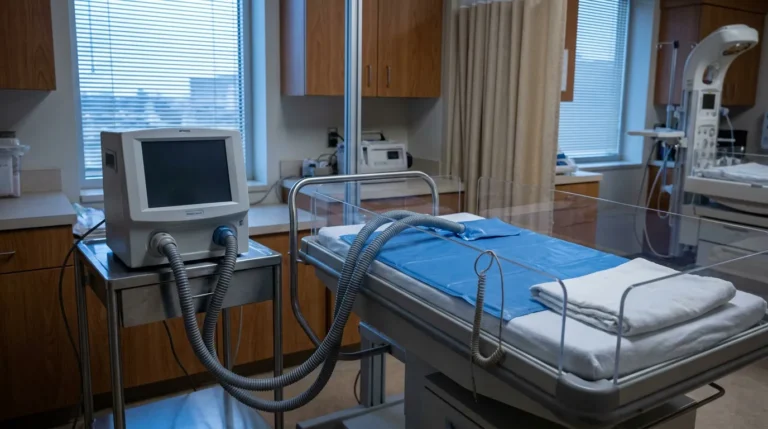
When a baby shows signs of oxygen deprivation at birth, the first few hours can matter a great deal. Therapeutic hypothermia, sometimes called neonatal cooling, lowers a newborn’s body temperature to help limit brain damage from hypoxic ischemic encephalopathy (HIE). Major research trials started cooling within 6 hours of birth, so treatment timing often becomes a key question in an HIE birth injury claim. If providers did not spot the warning signs or start cooling (or arrange a transfer for it) within that window, a family in Alaska may have grounds to look into a medical malpractice claim. Whether a claim exists depends on the medical records, the standard of care, and proof that the delay caused harm that would not otherwise have happened.
If your child was diagnosed with HIE and you have questions about the care your baby received, Farnsworth & Vance can help you understand your options. Call 907-290-8980 or contact us now to ask for a confidential case review.
What the Research Says About the 6-Hour Cooling Window
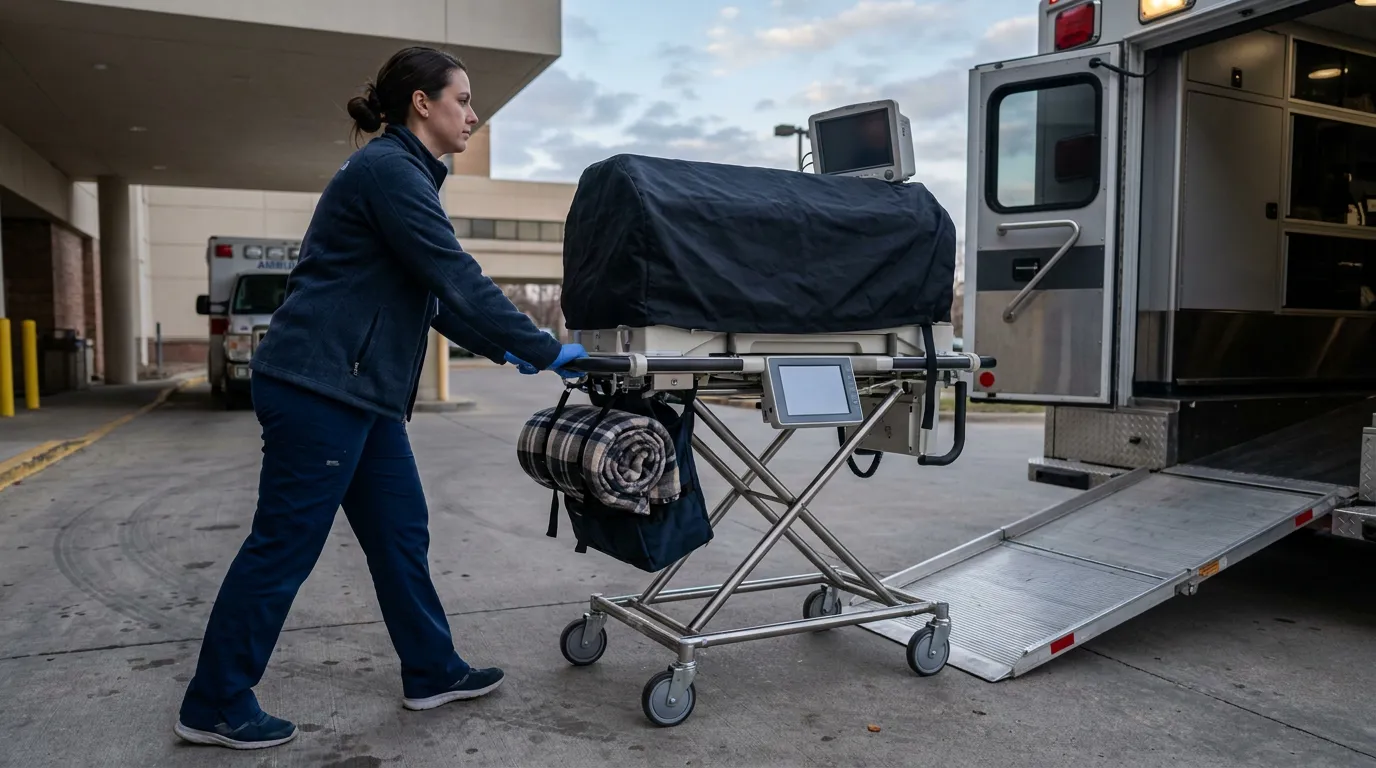
The 6-hour window comes from careful clinical research. The NICHD Neonatal Research Network ran a major whole-body hypothermia trial. It found that starting cooling within 6 hours of birth in infants born at 36 weeks or later with moderate-to-severe HIE greatly lowered the risk of death or moderate-to-severe disability at 18 to 22 months compared with standard care. This is a big reason the window carries so much medical and legal weight. Cooling does not prevent every injury, and the benefit of starting after 6 hours remains unclear.
How Outcome Data Supports Causation
The trial measured results with recognized tools, and that can matter in court. Researchers used measures such as Bayley Scales scores and cerebral palsy assessments to compare outcomes between cooled infants and those who received standard care. In a lawsuit, medical witnesses can use this data to help explain why timely cooling would likely have led to a better outcome for a particular child. Group-level results do not prove causation in a single case on their own, however. Experts still have to connect the research to the child’s own medical facts.
Why Delayed Treatment Raises Legal Questions
Delayed treatment does not automatically mean malpractice, but it is often where an investigation starts. Courts may consider why the delay happened, who was responsible for recognizing the baby’s condition, and whether earlier action was reasonably possible.
Proving an HIE Birth Injury Claim Under Alaska Law
Alaska law places the burden of proof on the family. Under Alaska Stat. § 09.55.540(a)(2)-(4), the plaintiff must prove three statutory elements by a preponderance of the evidence (meaning more likely than not). Subsection (a)(1) separately requires proof that a health care provider-patient relationship existed between the plaintiff and the defendant at the time of the act complained of:
- A health care provider-patient relationship existed, as required under subsection (a)(1).
- The degree of knowledge, skill, or care that providers in that field or specialty ordinarily use.
- The defendant lacked that degree of knowledge or skill or failed to use that degree of care.
- As a proximate result, the child suffered injuries that would not otherwise have happened.
In a delayed-cooling case, these elements turn into specific questions. What would timely therapeutic hypothermia have required in this situation? Did the delay cause or worsen the baby’s brain injury? Answering those questions generally requires qualified medical testimony about NICU treatment timing and how the child’s condition would likely have progressed if cooling had started on time.
Who May Be Responsible
Courts measure the standard of care against providers in the defendant’s own field. Under Alaska Stat. § 09.55.540(a)(2), the comparison group is providers in the defendant’s field or specialty at the time of the conduct in question. Possible defendants could include neonatologists, NICU nurses, obstetricians, or the hospital itself, depending on who had the duty to recognize HIE and to start or arrange cooling in time.
No Presumption of Negligence
A diagnosis of HIE alone does not prove anyone was negligent. Alaska Stat. § 09.55.540(b) states that malpractice actions carry no presumption of negligence. Under Alaska Stat. § 09.55.550, judges tell juries that the plaintiff has the burden of proof and that an injury alone does not raise a presumption of negligence. For this reason, records showing when HIE signs appeared and when cooling started, or did not start, are often central evidence. A court may also appoint an expert advisory panel to review the claim before trial. You can learn more in our article on Alaska’s medical review panel.
💡 Pro Tip: Ask for full copies of both the mother’s labor and delivery records and the baby’s NICU chart, including nursing flow sheets, fetal monitoring strips, blood gas results, and any transfer records. Timestamps often show when staff considered cooling.
Alaska Deadlines That Apply to a Newborn Brain Injury
Alaska’s basic deadline for a personal injury lawsuit is two years from the date the claim accrues. Alaska Stat. § 09.10.070(a)(2) sets this general limit "except as otherwise provided by law." For injured children, tolling rules in Alaska Stat. § 09.10.140 may extend that period in some cases. Medical malpractice claims may also be subject to Alaska’s 10-year statute of repose in Alaska Stat. § 09.10.055, which has its own exceptions.
| Rule | General Effect | Key Limitation |
|---|---|---|
| Alaska Stat. § 09.10.070(a)(2) | Two years from accrual | Exceptions may apply |
| Alaska Stat. § 09.10.140(c) | Time before the child’s eighth birthday does not count | Applies to injuries before age eight. The parents’ own claims may not be tolled. |
| Alaska Stat. § 09.10.140(a) | Tolling for mental incompetence (subsection (c) limits minority tolling for these claims) | No extension longer than two years after the disability ends |
For a child injured before age eight, the two-year clock for the child’s own claim generally starts at age eight. Alaska Stat. § 09.10.140(c) states that the time before the child’s eighth birthday is not part of the limit under Alaska Stat. § 09.10.070(a). Claims that belong to the parents, such as recovering the child’s medical expenses they paid, may not get the same tolling. Tolling under Alaska Stat. § 09.10.140(a) may also apply to people who are incompetent because of mental illness or mental disability. Claims involving federally funded or tribal health facilities may fall under the Federal Tort Claims Act, which generally requires an administrative claim within two years and does not pause for a child’s age. A lawyer should confirm how the time limits apply to your family.
Waiting is risky even when the deadline seems far away. Records can be lost, staff move on, and memories fade. Early investigation often helps preserve the evidence a claim depends on.
Damages Families May Pursue After an HIE Birth Injury
Alaska law may allow recovery of both economic and noneconomic damages in medical malpractice cases, depending on the facts. Under Alaska Stat. § 09.55.549, economic damages include past and future medical expenses, lost earnings, the cost of household services, and lost job or business opportunities. Economic damages are not capped. Many children with HIE need lifelong therapy, equipment, and care, so these amounts can be large.
State limits on some damages may affect what a family can recover. Under Alaska Stat. § 09.55.549, noneconomic damages in medical malpractice cases are generally capped at $250,000. The cap rises to $400,000 for wrongful death or for severe permanent physical impairment that is more than 70% disabling. When a baby does not survive, the family may want to speak with a birth injury lawyer about whether a wrongful death claim may be available.
Common Challenges in Delayed-Cooling Cases
Defendants may argue that the injury happened before birth or would have occurred no matter when cooling started. Families often face disputes over when the oxygen deprivation began, whether the baby met the criteria for cooling, and whether transfer to a NICU that offers cooling was realistic. These causation questions are often the hardest part of the claim.
Frequently Asked Questions
-
What is therapeutic hypothermia?
Therapeutic hypothermia cools a newborn’s body for a set period, usually 72 hours, to help reduce brain injury from HIE. Landmark research started cooling within 6 hours of birth in infants with moderate-to-severe HIE.
-
Does missing the 6-hour cooling window automatically mean malpractice?
No. Alaska Stat. § 09.55.540(b) provides that negligence is not presumed. A family generally has to show that the delay fell below the standard of care and caused harm that would not otherwise have happened.
-
How long do I have to file an HIE birth injury claim in Alaska?
The general limit is two years under Alaska Stat. § 09.10.070(a)(2). For a child’s own claim when the injury happened before age eight, Alaska Stat. § 09.10.140(c) generally excludes the time before the eighth birthday. The parents’ claims, claims against federal or tribal facilities, and the statute of repose may follow different rules, so confirm the deadline with a lawyer.
-
Who can be held responsible for delayed neonatal cooling?
Responsibility may involve neonatologists, NICU nurses, obstetricians, or the hospital, depending on who was responsible for recognizing HIE and starting or arranging treatment.
-
What evidence matters most?
Evidence often includes timestamped medical records, fetal monitoring data, blood gas results, transfer logs, and qualified medical testimony about whether earlier cooling would likely have improved the outcome.
Getting Answers About Your Child’s Care
The 6-hour cooling window matters because research tied timely therapeutic hypothermia to better outcomes, and Alaska law requires families to prove both a breach of the standard of care and causation. No law presumes negligence just because a baby developed HIE. Medical records, NICU timelines, and qualified testimony often decide whether a claim can move forward. Alaska’s deadlines, tolling rules, and damage caps also have limits that can affect your family’s rights.
If you believe a delay in cooling may have harmed your child, Farnsworth & Vance is ready to listen and review what happened. Call 907-290-8980 or schedule your case review to learn whether your family may have a claim.
Disclaimer: This content is for informational purposes only and is not legal advice. Every case is unique, and results may vary. Consult an attorney about your specific circumstances.


