
How Crash Forces Can Injure Your Lower Back
Key Takeaways: Lower back pain after a car accident usually happens when sudden crash forces push the lumbar spine past its normal range of motion. This can cause muscle strains, ligament sprains, herniated discs, facet joint injuries, or fractures, or worsen an existing condition. Adrenaline and slowly building swelling can delay symptoms, so get a prompt medical exam and keep records of your recovery. Alaska does not require PIP coverage, so health insurance, the at-fault driver’s liability insurance, or optional MedPay and UM/UIM coverage often pay for treatment. Under Alaska’s pure comparative fault rule, you may still recover damages if you were partly at fault, but your share of fault reduces your award, and noneconomic damages are generally capped. You must file most personal injury lawsuits within two years, so early legal advice helps.
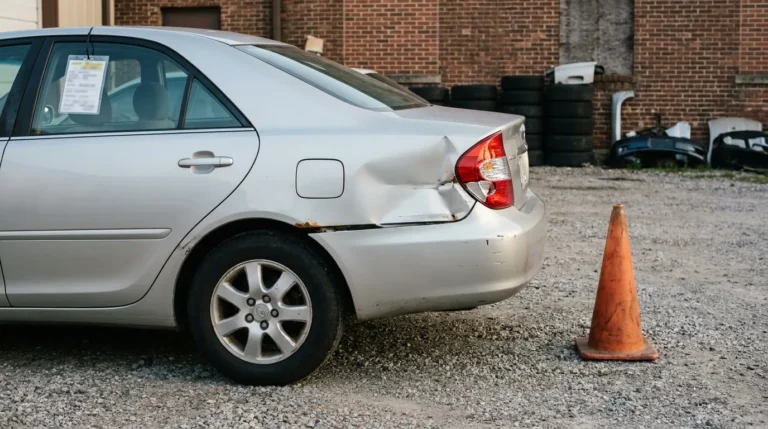
Lower back pain after a car accident usually comes from sudden crash forces that push the lumbar spine beyond its normal range of motion. In a collision, your body keeps moving after the vehicle stops or changes direction. The muscles, ligaments, discs, and joints in your lower back absorb much of that energy, even at low speeds. The result can range from a mild strain to a herniated disc or fracture. Symptoms do not always show up right away, so many Alaska drivers and passengers notice pain days later.
If you have back pain after a crash, you do not have to handle the medical and legal questions alone. The team at Farnsworth & Vance can review your situation and explain your options under Alaska law. Call 907-290-8980 or contact us now to schedule a free consultation.
Why Car Accidents Put So Much Stress on the Lumbar Spine
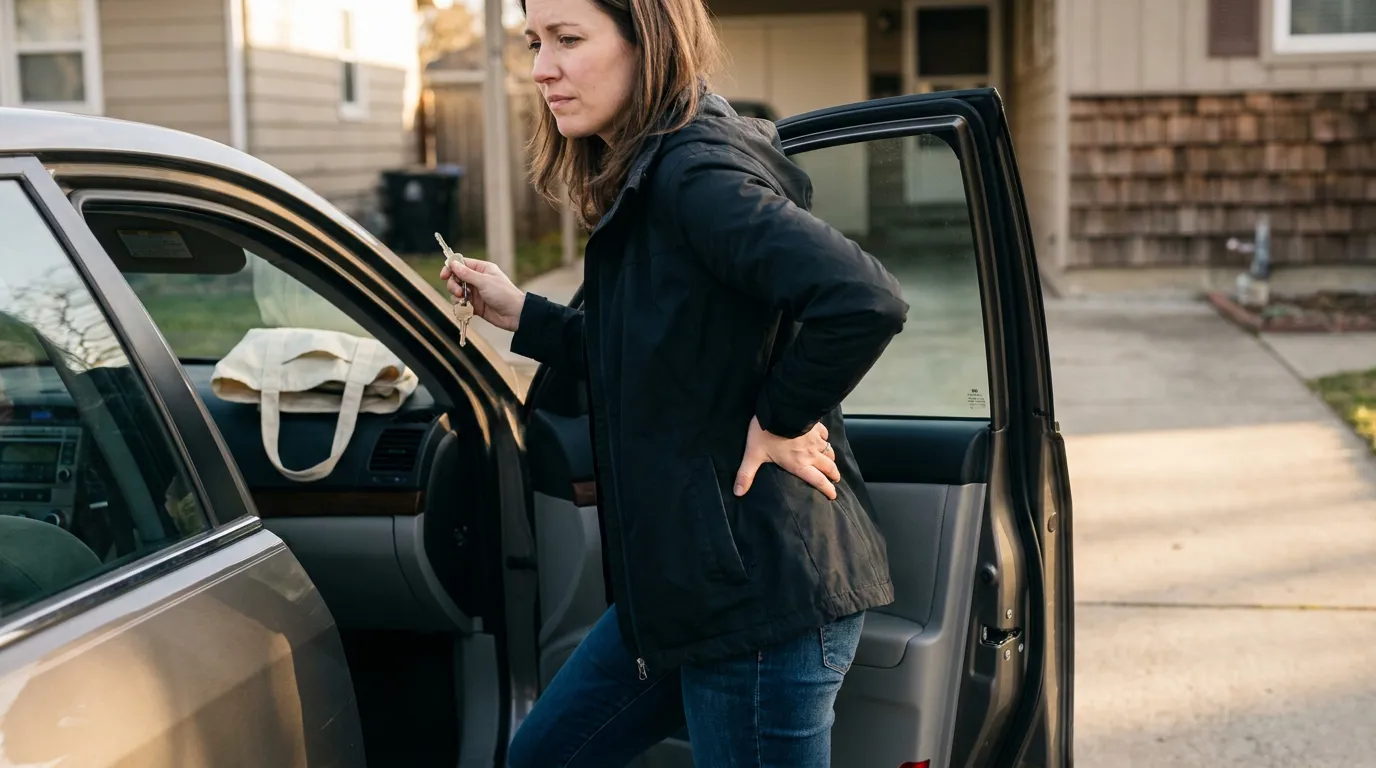
Your lower back holds up most of your upper body’s weight, which makes it easy to hurt in a collision. The lumbar spine has five large vertebrae separated by cushioning discs and supported by muscles and ligaments. Seatbelts hold the pelvis and chest in place, but they can also act as a pivot point. When the upper body jerks forward or sideways while the hips stay strapped in, the lower back takes a heavy load.
Motor vehicle crashes injure many people every year. Many people survive crashes with lasting injuries, such as chronic back pain, that affect their work and daily life.
Common Lumbar Spine Injuries From Crashes
Several conditions can cause lower back pain after a car accident. Some of the most common include:
- Muscle strains and ligament sprains: Overstretched or torn soft tissue that can cause spasms, stiffness, and limited movement.
- Herniated or bulging discs: Disc material pushes outward and may press on nearby nerves, causing pain that runs down the leg (sciatica).
- Facet joint injuries: Damage to the small joints that connect the vertebrae, often from twisting forces.
- Vertebral fractures: Compression or burst fractures, more common in high-speed or rollover crashes.
- Worsened spinal stenosis: A crash can aggravate a narrowed spinal canal or other existing condition.
According to the Cleveland Clinic’s back pain overview, back pain can come from muscles, discs, nerves, or bone, so a proper diagnosis matters. A doctor may order X-rays, an MRI, or a CT scan to find the source.
How the Type of Collision Affects Injury Patterns
The direction of impact often shapes the kind of back injury a person suffers. The table below shows general patterns, though every crash is different.
| Collision Type | Typical Crash Forces | Possible Lower Back Effects |
|---|---|---|
| Rear-end | Body pushed back, then thrown forward | Strains, disc injuries, facet joint damage |
| T-bone (side impact) | Side bending and twisting | Sprains, facet injuries, fractures |
| Head-on | Rapid forward bending against the belt | Disc herniation, compression fractures |
| Rollover | Multiple directions, downward compression | Fractures, severe spinal trauma |
Rear-end crashes often cause back and neck injuries. If someone hit you from behind, you can learn more about rear-end collision injuries and how recovery often works.
Why Symptoms Can Be Delayed
Adrenaline and shock after a crash can hide pain for hours or even days. Swelling builds slowly, and swelling around a damaged disc may not press on a nerve right away. Many people feel only slightly sore at the scene and then wake up unable to bend. This delay is medically normal, but insurers may use it to question whether the crash caused the injury.
💡 Pro Tip: Keep a simple daily pain journal. Write down your pain level, activities you could not do, missed work, and sleep problems. Notes made at the time can help show how the injury affected your life.
Steps to Protect Your Health and Your Claim
The most important step after any crash is to see a doctor, even if your back feels only a little sore. Prompt care protects your health and creates a record linking your injury to the collision. Gaps in treatment cause problems in many back injury claims, because insurers may argue something else caused the pain.
Evidence can disappear quickly, so save it early. Helpful items include photos of the vehicles and scene, the police report, witness contact information, medical records, imaging results, and pay stubs showing lost wages. Follow your doctor’s treatment plan, including physical therapy, and keep every bill and receipt.
Paying for Treatment Under Alaska Insurance Rules
Alaska requires drivers to carry liability insurance, but it does not require Personal Injury Protection (PIP). Injured people often rely on their own health insurance, optional coverage they bought, or the at-fault driver’s liability coverage. Liability insurers usually pay through a settlement or judgment rather than paying bills as they come in.
Optional Coverages That May Help
Medical Payments (MedPay) coverage is optional in Alaska, but if you have it, it may help pay medical bills no matter who caused the crash, subject to your policy limits and terms. It may cover imaging, chiropractic care, or physical therapy. Uninsured/Underinsured Motorist (UM/UIM) coverage may help when the at-fault driver has no insurance or not enough to cover your losses. Check your declarations page carefully.
Lower Back Pain From Car Accident Claims and Alaska Law
To recover compensation, you generally need to show that another party was negligent, that their negligence caused your injury, and that you suffered damages. Proving the crash caused the injury is often the hardest part of a back injury case. Medical records, imaging, and doctors’ opinions usually play a central role, especially if you had back problems before.
Comparative Fault and Damage Caps
Alaska follows pure comparative fault under AS § 09.17.060. If you were partly at fault, your damages drop by your percentage of fault, but your share of fault does not by itself bar recovery. For example, someone found 20% at fault could potentially recover 80% of their damages.
Alaska law also generally limits noneconomic damages under AS § 09.17.010. Noneconomic damages include pain, suffering, inconvenience, physical impairment, disfigurement, and loss of enjoyment of life. Key rules include:
- The general cap is $400,000 or the injured person’s life expectancy in years multiplied by $8,000, whichever is greater (AS § 09.17.010(b)).
- For severe permanent physical impairment or severe disfigurement, the cap rises to $1,000,000 or life expectancy multiplied by $25,000, whichever is greater (AS § 09.17.010(c)).
- The law treats multiple injuries from a single incident as one injury for cap purposes (AS § 09.17.010(d)).
Whether a serious lumbar spine injury counts as a "severe permanent physical impairment" depends on the facts and medical evidence. The caps do not limit economic damages such as medical bills and lost wages, and they do not apply to certain claims, such as wrongful death actions. No case is guaranteed the higher cap.
Alaska’s Two-Year Deadline to File a Lawsuit
Under AS § 09.10.070(a), you must file most personal injury lawsuits in Alaska within two years of when the claim accrues. If you miss this deadline, you may lose your right to sue entirely. Because back pain can develop or worsen over time, waiting to see how things go can use up that time. This deadline is separate from insurance claim reporting rules and any extra requirements that may apply if a government entity is involved.
A few exceptions may pause the clock, but courts read them narrowly. Under AS § 09.10.140(a), time when the injured person is a minor or legally incompetent because of mental illness or mental disability generally does not count, but the deadline generally cannot extend more than two years past the end of the disability. Under AS § 09.10.140(c), certain claims for a child injured before age eight may face added limits that end the pause at the child’s eighth birthday. These rules do not apply automatically, so get legal advice early.
Frequently Asked Questions
1. Can lower back pain from a car accident show up days later?
Yes. Swelling and shock can delay symptoms for hours or days. See a doctor as soon as you notice pain, and tell them about the crash.
2. What if I had back problems before the accident?
An earlier back condition does not necessarily stop you from bringing a claim. If the crash made the condition worse, you may be able to seek compensation for that worsening, but generally not for the condition as it was before the crash.
3. Does Alaska require PIP coverage?
No. Alaska requires liability insurance but not PIP. Optional MedPay coverage, if you carry it, may help pay medical bills no matter who was at fault, up to your policy limits.
4. Can I still recover if I was partly at fault?
Generally, yes. Under AS § 09.17.060, your share of fault reduces your damages, but it does not by itself bar recovery.
5. How long do I have to file a lawsuit?
In most cases, two years from when the claim accrues under AS § 09.10.070(a). Narrow exceptions may apply for minors or people with certain disabilities, and claims against government entities may have extra requirements.
Taking the Next Step After a Back Injury
Lower back pain after a crash often comes from forces that strain muscles, damage discs, or break vertebrae, and symptoms may take time to appear. Getting prompt medical care, keeping records of your recovery, and understanding Alaska’s insurance rules, comparative fault system, damage caps, and two-year filing deadline can help protect your ability to seek fair compensation. Every case depends on its own facts, so early advice can help you avoid costly mistakes.
If you are dealing with a back injury after a collision, an experienced lower back pain from car accident lawyer can help you understand your rights. Contact Farnsworth & Vance today by calling 907-290-8980 or schedule your free consultation to talk about your next steps.
Disclaimer: This content is for informational purposes only and is not legal advice. Every case is unique, and results may vary. Consult an attorney about your specific circumstances.


