
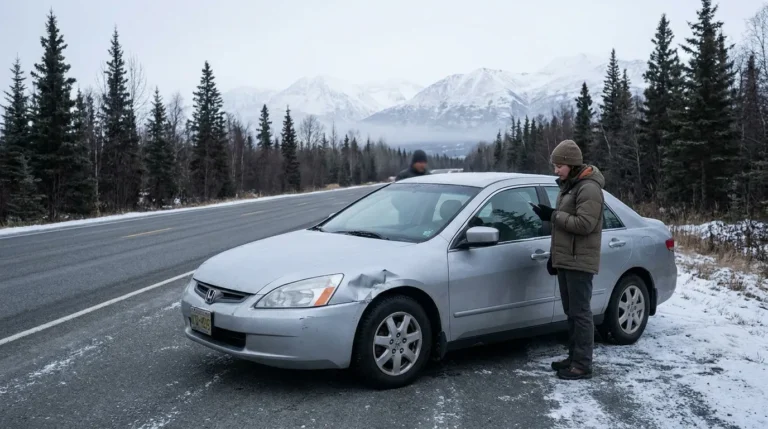
Facing the Aftermath of an Anchorage Collision
Key Takeaways: After an Anchorage car crash, victims should prioritize prompt medical care, preserve evidence by documenting the scene, report the collision, and understand Alaska’s fault-based system. Alaska is an at-fault state where injured parties pursue recovery from the responsible driver by proving negligence through duty, breach, and causation. Negligence per se applies when drivers violate safety statutes. Under Alaska’s pure comparative fault system, a victim’s share of responsibility reduces their award proportionally rather than barring recovery entirely, even when the victim is more at fault. Statutory rules like the collateral source rule (AS 09.17.070) and high requirements for punitive damages can adjust final recovery. Special requirements apply when government vehicles are involved. Negligence claims face strict statute of limitations deadlines, making prompt action essential.
A car crash can upend your life in seconds, but the choices you make in the hours and days that follow can shape your ability to recover fair compensation. If you were hurt in a wreck, the most important steps are to protect your health, preserve evidence, report the collision, and understand how Alaska law treats fault and damages. Anchorage crash victims who act deliberately and document everything generally place themselves in a stronger position than those who wait. This guide walks through what to do after a crash in Alaska and how the state’s legal framework may affect your claim.
Farnsworth & Vance helps injured people across Anchorage, Eagle River, and surrounding communities pursue accountability after a collision. If you are ready to discuss your situation, call 907-290-8980, visit Farnsworth & Vance, or reach out through our contact page to get started.
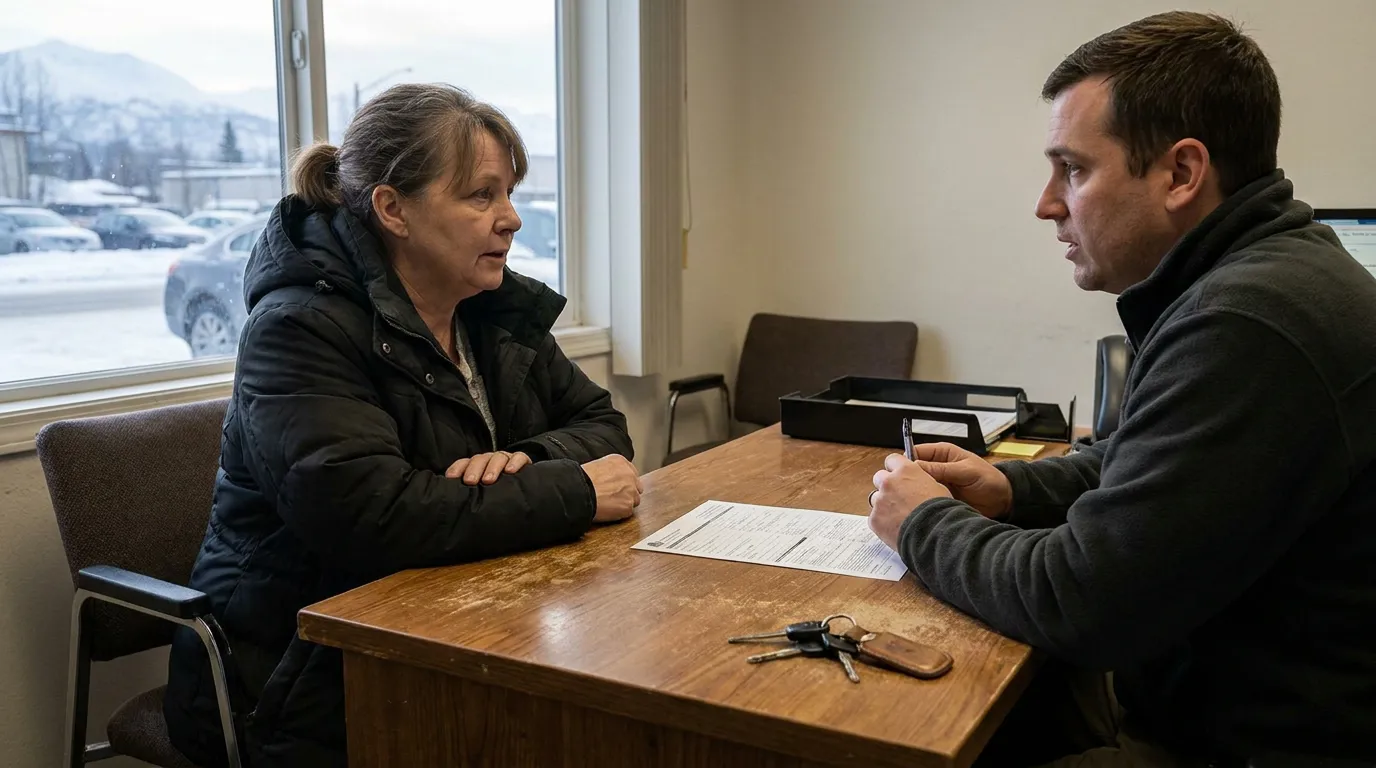
First Steps to Protect Your Health and Your Claim
Your safety and medical well-being come first, and prompt care also creates a record that supports any future claim. Even injuries that feel minor at the scene can develop into serious conditions, so timely medical evaluation matters both for your health and for documenting the link between the crash and your injuries. This connection is central to any injury claim.
Document the Scene and Preserve Evidence
Evidence tends to disappear quickly, so gathering it early can make a meaningful difference later. Photograph the vehicles, roadway, traffic controls, skid marks, and visible injuries, and collect contact information from drivers and witnesses. This record can support the negligence analysis if a driver failed to obey traffic laws.
For a detailed walkthrough of immediate actions to take at the scene, our overview of what to do after a crash Alaska drivers can rely on offers practical guidance.
💡 Pro Tip: Keep a simple written log of your symptoms, missed workdays, and out-of-pocket costs. This ongoing record often proves more persuasive than reconstructing details months later.
Seek Medical Care and Follow Through
Consistent medical treatment protects your health and reinforces the factual basis of your claim. Gaps in treatment or skipped appointments may be used to question injury severity. Following your provider’s recommendations and keeping copies of records generally strengthens documentation of your losses.
Understanding Alaska’s Fault and Negligence Rules
Alaska is an at-fault state, which means the party responsible for the crash may be liable for the harm they caused. Injured drivers, passengers, motorcyclists, bicyclists, and pedestrians generally pursue recovery from the at-fault driver rather than being limited to a no-fault system.
Proving Negligence After a Crash
To recover, an injured claimant generally must prove the standard elements of negligence. Under Alaska law, that means showing the defendant owed a duty, breached that duty, and caused the resulting harm, with causation often being the decisive factor.
Alaska also recognizes negligence per se, which can help establish liability when a driver violates a safety statute. For example, a driver’s failure to stop, look for traffic, and yield as required by law may bear directly on the negligence analysis. This doctrine can streamline how liability is shown.
💡 Pro Tip: Request a copy of the official crash report as soon as it becomes available. Reports frequently note traffic-law violations that may support a negligence per se argument.
Comparative Fault and How It Affects Recovery
Alaska follows a pure comparative fault system, so a victim’s own share of responsibility reduces their award proportionally rather than barring it entirely. Because the system is "pure," an injured party may still recover a reduced amount even if found to be more than half at fault, unlike states that cut off recovery once a plaintiff reaches 50% or 51% fault. The apportionment framework appears in Alaska Statutes Title 9, § 09.17.080. The legislature intended that in actions involving fault of more than one person, each party’s fault be determined and awards allocated accordingly.
In practical terms, if you are found partially at fault, your recovery may be reduced by your assigned percentage. Because fault allocation is fact-dependent, outcomes vary from case to case.
How Alaska Law Shapes Your Compensation
The value of an Alaska car accident claim depends on your provable losses and several statutory rules that can adjust what you ultimately recover. Compensable damages generally include medical expenses, lost income, and other harm tied to the crash. Two rules deserve particular attention.
First, Alaska’s collateral source rule affects how prior payments interact with your recovery. Under AS 09.17.070, a claimant in an action for personal injury or death may generally only recover damages that exceed amounts already received as compensation from collateral sources, whether private, group, or governmental, subject to exceptions such as certain federally funded subrogation programs, life insurance death benefits, and workers’ compensation. In practice, this adjustment is typically handled by the court through a post-verdict procedure.
Second, punitive damages face a high bar in Alaska. Ordinary or slight speeding is typically treated as plain negligence and generally is not egregious enough to warrant punitive damages, which usually require reckless conduct where the actor recognizes and disregards a serious risk, consistent with the recklessness standard described in the Restatement (Second) of Torts § 500.
| Type of Damages | General Availability in Alaska |
|---|---|
| Medical expenses and lost wages | Commonly recoverable when tied to the crash |
| Amounts from collateral sources | Generally offset under AS 09.17.070, subject to exceptions |
| Punitive damages | Available only for reckless conduct, not plain negligence |
💡 Pro Tip: Keep every insurance statement and benefit notice you receive. These documents help your attorney apply the collateral source rules accurately when calculating what you may recover.
Claims Involving the City of Anchorage
If your crash involves a city vehicle or municipal government unit, additional rules may apply. Alaska Statutes Title 9, § 09.65.070 addresses suits against incorporated units of local government, and claims against public entities can involve requirements and limitations that differ from claims against private drivers. These administrative and statutory requirements can be strict, so timely legal guidance is often important when a government defendant is involved.
What Happens When Your Case Goes to Court
If a fair settlement cannot be reached, your dispute may proceed through the civil litigation process governed by Alaska’s rules of procedure. These lawsuits fall under Title 9, the state’s Alaska Code of Civil Procedure, which governs personal injury litigation. Understanding the general path can reduce uncertainty.
- Pleadings: After a complaint is filed, the defendant answers by stating whether the allegations are true.
- Discovery: A discovery period allows each side to learn the facts supporting the claims and defenses.
- Motions: Each side may ask the court to compel further discovery or limit certain evidence.
The bar association’s civil discovery process resource explains these stages in more general terms. Many cases resolve before trial, but preparing as though litigation is possible generally protects your interests.
💡 Pro Tip: Preserve your phone, vehicle, and any damaged property until your attorney advises otherwise. These items can become important evidence during discovery.
Why Hire a Car Accident Attorney Anchorage Residents Trust
Working with a skilled advocate can help you navigate deadlines, evidence, and the statutory rules that shape your claim. Alaska negligence claims are subject to a statute of limitations, and injured victims generally must file suit within the allowed period to preserve their claim. Courts interpret exceptions such as tolling or delayed discovery narrowly, and these exceptions do not apply automatically, so you should not assume that a missed deadline can be excused.
It is also worth distinguishing between the civil statute of limitations that applies to lawsuits and any separate administrative claim deadlines that may apply when a government entity is involved. A knowledgeable Anchorage collision lawyer can evaluate which deadlines apply to your specific facts. When you are ready to speak with a dedicated car accident lawyer Anchorage families rely on, guidance tailored to your situation is available.
Because every claim turns on its own facts, the information here is general and is not a substitute for individualized legal advice.
Frequently Asked Questions
1. How long do I have to file a car accident lawsuit in Alaska?
Alaska negligence claims are subject to a statute of limitations, and victims generally must file within the allowed time. Certain narrow exceptions may apply in limited circumstances, but courts interpret them strictly, so acting promptly is the safest approach.
2. Can I still recover if I was partly at fault?
In many cases, yes. Under AS 09.17.080, Alaska applies pure comparative fault and apportions fault among the parties, so your recovery may be reduced by your assigned percentage rather than eliminated entirely, even if you bear the majority of the fault.
3. Will my insurance payments reduce what I can recover?
They might. Under AS 09.17.070, a claimant generally recovers only damages exceeding amounts already received from collateral sources, subject to exceptions like workers’ compensation and life insurance death benefits.
4. Are punitive damages available in a typical crash case?
Usually not. Ordinary speeding is generally treated as plain negligence, and punitive damages typically require reckless conduct where the driver recognized and disregarded a serious risk.
5. What if a city vehicle caused my crash?
Special rules may apply. Claims against local government units under AS 09.65.070 can involve distinct requirements and deadlines, so early legal guidance is often important.
Moving Forward After Your Crash
Recovering after an Anchorage collision involves protecting your health, preserving evidence, and understanding how Alaska’s negligence, comparative fault, and damages rules apply to your situation. By documenting your losses, seeking consistent medical care, and paying attention to filing deadlines, you place yourself in a stronger position to pursue fair compensation. Because outcomes depend heavily on the specific facts, personalized legal guidance can make a meaningful difference in how your claim unfolds.
If you or a loved one was injured in a crash, the team at Farnsworth & Vance is ready to help you understand your options. Call 907-290-8980 or send a message through our online contact form to discuss what to do after a crash in Alaska and how to protect your rights.