

Coup vs Contrecoup Injuries: Why Where Your Brain Got Hurt Matters
Key Takeaways: A coup injury forms in the brain right where the head takes the impact. A contrecoup injury forms on the opposite side when the brain bounces back into the far wall of the skull, and these injuries are sometimes more severe. One car crash can cause both. Doctors usually find them with CT or MRI scans, but symptoms may be mild at first or show up later. In an Alaska claim, scans that match how the crash happened can help show that the crash caused the injury. Alaska law also caps noneconomic damages, may reduce awards when the injured person shares fault, and generally treats several injuries from one incident as one injury for the cap. You must file most claims within two years, so get medical care and legal advice early.
A coup injury happens where the head takes the impact, and a contrecoup injury happens on the opposite side of the brain. In a car accident, the head may hit the steering wheel, side window, or headrest, or it may simply stop suddenly. The brain keeps moving inside the skull, strikes the inner wall at the impact site, and can then bounce back into the opposite wall. Many crash victims end up with both injuries at once. Knowing the difference between coup vs contrecoup injuries can help you follow your diagnosis, ask your doctors better questions, and understand what an Alaska injury claim may involve.
If you or a loved one suffered head trauma in a crash, you do not have to sort out the medical and legal questions alone. Farnsworth & Vance helps injured Alaskans and their families seek compensation after serious crashes. Call 907-290-8980 or contact us now to talk about your situation.
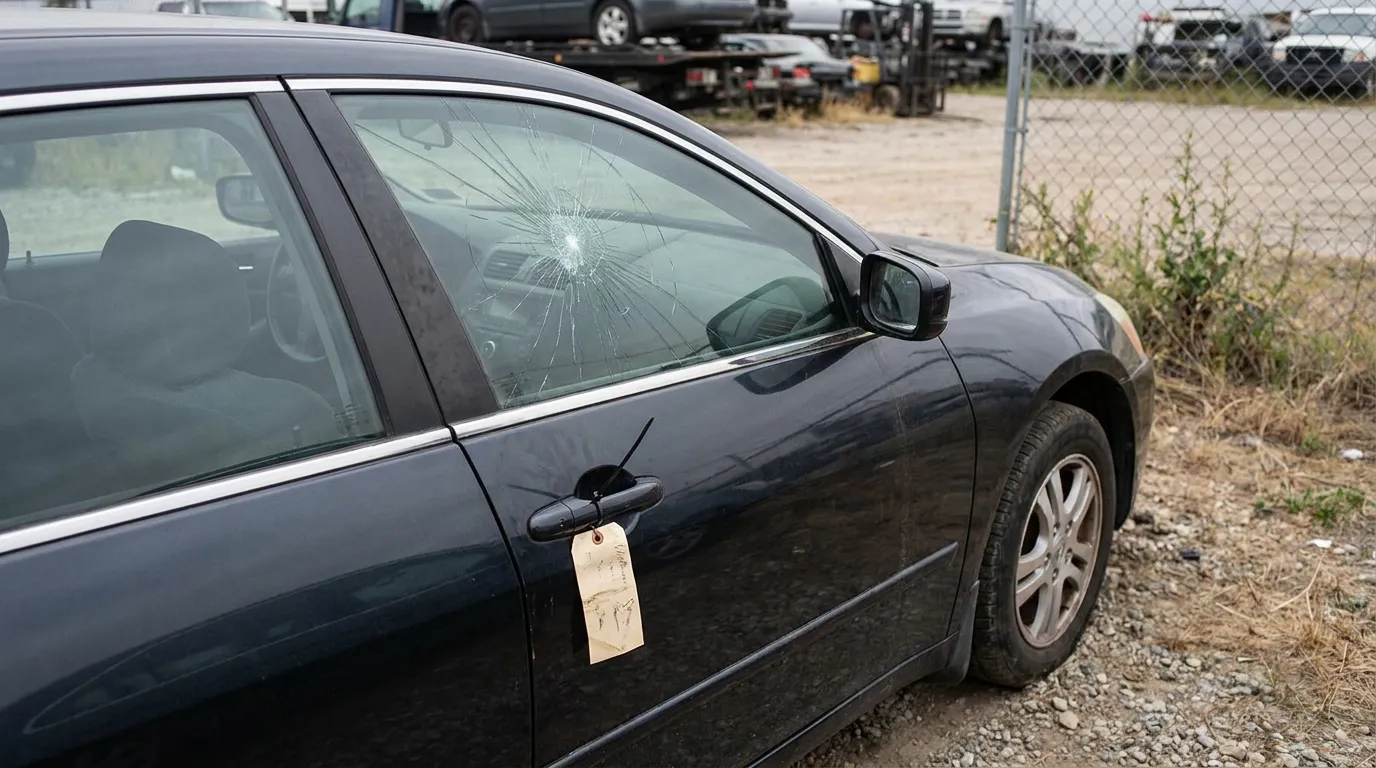
How the Brain Moves During a Crash
The brain sits inside the skull in a layer of fluid that cushions it during everyday movement. A crash causes the head to speed up and stop so fast that the fluid cannot absorb all the force. When a vehicle stops abruptly, the head may stop with it, but the brain keeps moving until it hits bone. Researchers who study brain injuries point to this movement as the cause of coup and contrecoup injuries.
These forces are a main reason crash injuries so often involve the brain. The National Highway Traffic Safety Administration estimates that tens of thousands of people die in U.S. traffic crashes each year. Many more survive with injuries, including brain injuries that may not show up right away.
What Is a Coup Injury?
A coup injury is damage to brain tissue directly beneath the point of impact. According to the StatPearls overview of coup injuries, this injury occurs at the site of impact when the brain strikes the skull. For example, if your forehead hits the dashboard, a coup injury may form in the front of the brain. Bruising, bleeding, or swelling may develop in that area.
What Is a Contrecoup Injury?
A contrecoup injury forms on the side of the brain opposite the impact. After the first strike, the brain can bounce back and twist, slamming into the far inner surface of the skull. In the same example, a forehead impact could cause a contrecoup injury at the back of the brain. Some medical studies note that contrecoup injuries can be more severe than coup injuries, mainly when a moving head strikes an object that is not moving, though this varies by case.
Comparing Coup vs Contrecoup Brain Injuries Side by Side
The main differences between these two types of brain injury come down to where they happen, what causes them, and how severe they may be. The table below sums up the key points.
| Feature | Coup Injury | Contrecoup Injury |
|---|---|---|
| Location | At the site of impact | Opposite the site of impact |
| Cause | Brain strikes skull where the head is hit | Brain bounces back and strikes the opposite skull wall |
| Typical severity | Varies with impact force | Sometimes more severe |
| Common crash example | Forehead hits steering wheel, damage at the front | Same impact, damage at the back of the head |
| Detection | CT or MRI scan | CT or MRI scan |
These terms describe where the injury is, not whether the skull was broken open. Our guide to open vs. closed head injuries explains that difference. A coup-contrecoup pattern can occur even when there is no visible wound.
How Doctors Diagnose These Injuries
Doctors usually rely on CT or MRI scans. These scans can show bruising, bleeding, or swelling at the impact site and in the opposite part of the brain. Bruising on both sides is a known sign of a coup-contrecoup pattern. Some brain injuries do not appear on standard scans, so a clean early scan may not tell the whole story if problems show up later.
💡 Pro Tip: Keep a daily symptom journal after a crash. Write down headaches, memory lapses, mood changes, sleep problems, and sensitivity to light. These notes can help your doctors and can later serve as evidence of how the injury affects your daily life.
Why the Injury Pattern Matters for Your Alaska Claim
The medical details of your brain injury can affect how you prove and value a claim. A personal injury claim generally requires showing that someone was careless (negligent), that this carelessness caused your injury, and that you suffered losses the law allows you to recover. Scans that match how the crash happened, such as bruising at the front and back of the brain after a head-on crash, may help link your injury to the crash. Insurers sometimes dispute brain injuries that have no visible wounds, so thorough records matter.
Steps that may help protect your claim include:
- Getting medical care right away and following up on any delayed symptoms
- Asking for copies of all scans, test results, and treatment notes
- Saving photos of the vehicles, the scene, and any visible injuries
- Collecting witness names and the crash report
- Avoiding recorded statements to the at-fault driver’s insurer before you get legal advice
Alaska’s Limits on Noneconomic Damages
Alaska caps noneconomic damages, which cover losses such as pain, suffering, loss of enjoyment of life, and loss of consortium. Under AS § 09.17.010(b), the general cap is $400,000 or the injured person’s life expectancy in years multiplied by $8,000, whichever is greater. Under AS § 09.17.010(c), when damages are awarded for severe permanent physical impairment or severe disfigurement, the cap rises to $1,000,000 or life expectancy multiplied by $25,000, whichever is greater. A severe brain injury with lasting effects may qualify for the higher cap, depending on the facts. Under AS § 09.17.010(d), multiple injuries one person suffers in a single incident count as one injury for the cap, so coup and contrecoup injuries from the same crash fall under a single cap. These caps do not limit economic damages such as medical bills and lost wages.
Shared Fault and Multiple Defendants
Alaska follows pure comparative fault under AS § 09.17.060. If you were partly at fault, your compensation goes down by your share of fault, but you can still recover. When more than one party is at fault, AS § 09.17.080(a) directs the judge or jury to set total damages and assign each party a percentage of fault, and under AS § 09.17.080(d) each defendant generally pays only its own share. Fault may also be assigned to certain people or companies who are not part of the lawsuit, so it is important to identify every responsible party.
Filing Deadlines for Brain Injury Claims in Alaska
In most Alaska car accident cases, you have two years from the date the claim accrues to file a personal injury lawsuit. This deadline comes from Alaska’s statute of limitations, AS § 09.10.070(a). Contrecoup symptoms may be subtle or show up late, so waiting to see how you feel can leave you short on time. A claim against a government agency may have separate notice rules apart from the lawsuit deadline.
Exceptions for Minors and Incapacitated Victims
In limited cases, Alaska law pauses the filing clock. Under AS § 09.10.140(a), if a person is a minor or incompetent because of mental illness or mental disability when the claim accrues, that time generally does not count toward the deadline. But the extension generally may not go more than two years past the end of the disability. Under AS § 09.10.140(c), for a child injured before age eight, the time before the eighth birthday generally does not count toward the two-year limit. Courts apply these exceptions narrowly, and they do not cover every situation, so it is safest to act as though the standard deadline applies.
Frequently Asked Questions
1. Can one crash cause both a coup and a contrecoup injury?
Yes. A single impact can bruise the brain at the impact site and then on the opposite side as the brain bounces back. Scans often show both.
2. Is a contrecoup injury worse than a coup injury?
Contrecoup injuries can be more severe, but not always. Severity varies from person to person and depends on the forces involved.
3. What if my symptoms appeared days after the accident?
Delayed symptoms are common with brain injuries. See a doctor promptly and keep records. The two-year deadline runs from when the claim accrues, which is usually the crash date, so do not wait.
4. Can I still recover compensation if I was partly at fault?
Yes. Under Alaska’s pure comparative fault rule, you may still recover, but your award will be reduced by your percentage of fault.
5. Does having two brain injuries mean two damage caps?
No. Alaska treats multiple injuries to one person from a single incident as one injury for the noneconomic damages cap.
Protecting Your Recovery After a Crash-Related Brain Injury
The difference between coup vs contrecoup injuries comes down to location: coup injuries form at the impact site, and contrecoup injuries form on the opposite side and are sometimes more severe. Both can follow a car accident, and both may need a CT or MRI scan to diagnose. In Alaska, damage caps, comparative fault rules, and a two-year filing deadline can all affect your claim. Every case depends on its own facts, so early medical care and early legal advice matter.
An experienced Alaska brain injury attorney can help you gather evidence, show that the crash caused your injury, and seek the compensation the law may allow. Reach out to Farnsworth & Vance today. Call 907-290-8980 or schedule your consultation to discuss your next steps.
Disclaimer: This content is for informational purposes only and is not legal advice. Every case is unique, and results may vary. Consult an attorney about your specific circumstances.


