
When a Hazard You Could See Does Not End Your Claim in Alaska
Key Takeaways: In Alaska, an "open and obvious" hazard generally does not automatically defeat a slip and fall claim. Because AS 09.17.060 establishes pure comparative fault, proof that you saw a danger may reduce your damages in proportion to your share of fault instead of barring recovery entirely, even if you are assigned more than half the blame. A property owner’s duty of reasonable care generally remains, and obviousness is typically only one circumstance among many, alongside notice and maintenance history. The defense still matters, since a higher fault percentage can significantly cut compensation in serious injury cases, which is one reason insurers often push for early recorded statements. Prompt evidence gathering, photographs, incident reports, video preservation requests, witnesses, and weather records, often shapes how fault is allocated. Deadlines matter too: most Alaska personal injury actions generally carry a two-year limitations period under AS 09.10.070, and claims involving government property or tribal and federal entities may require additional procedural steps and early legal review.
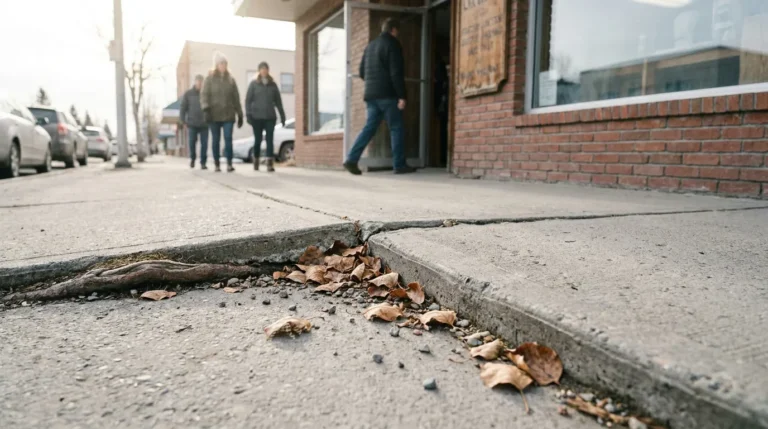
If you slipped on an icy Anchorage walkway or tripped over a visible raised sidewalk slab, an adjuster may have already claimed the danger was "open and obvious" and your claim is worthless. In Alaska, that argument rarely ends the conversation. Alaska has long declined to treat a hazard’s obviousness as an automatic bar to a premises claim, and because Alaska follows a pure comparative fault system codified at AS 09.17.060, proof that you noticed a hazard will ordinarily reduce your damages rather than eliminate your ability to recover. Understanding how the open and obvious danger doctrine interacts with fault allocation helps injured people evaluate settlement offers realistically.
If a property owner’s insurer has blamed you for a fall that caused surgery, permanent limitations, or lost income, you do not have to sort through these doctrines alone. The team at Farnsworth & Vance handles serious premises injury claims for Alaskans across the state. Call 907-290-8980 or contact us now to discuss what happened.
What the Open and Obvious Argument Actually Claims
The defense begins with a simple premise: a reasonable person would have seen the danger and avoided it. Property owners and insurers often raise this in winter fall cases in Southcentral Alaska, pointing to daylight conditions, prior trips across the same surface, or a plaintiff’s own statement that the ice "looked slick." The idea is that awareness of risk shifts responsibility away from the landowner.
That framing conflates two separate legal questions. Whether a property owner acted reasonably in maintaining the premises is distinct from whether the injured person acted reasonably in encountering the condition. Courts may consider both, but in Alaska the second question generally goes to the jury as a matter of fault percentage rather than a threshold bar, unless the evidence is so one-sided that no reasonable jury could find the owner negligent.
Conditions That Commonly Trigger the Defense
Certain hazards draw this argument more than others, often involving the same environmental risks safety organizations identify as leading fall contributors, as discussed in resources on fall prevention facts.
- Untreated ice and packed snow in parking lots and entryways
- Uneven thresholds, broken pavement, or raised sidewalk sections
- Poorly lit stairwells and basement landings
- Spilled liquids in grocery aisles marked only by a small cone
- Missing or loose handrails on exterior stairs
How AS 09.17.060 Changes the Math
Alaska’s apportionment statute is one reason an obvious hazard may not automatically defeat a claim. AS 09.17.060 provides that "the contributory fault of the claimant… does not bar recovery, but the award of damages is diminished in proportion to the amount of fault attributable to the claimant." The statute applies broadly to fault-based actions, including premises liability claims, and related provisions such as AS 09.17.080 govern how a jury allocates fault among parties.
The practical effect is generally proportional reduction rather than dismissal. If a jury assigned a plaintiff 30% of fault on a $400,000 verdict, the recoverable amount would generally be $280,000 before applicable offsets or liens. Even a plaintiff assigned more than half the fault may still recover a reduced share under Alaska’s rule, unlike in many other states. Outcomes always depend on the specific evidence.
Alaska Compared to Other Negligence Systems
National surveys of comparative negligence laws by state classify jurisdictions into four categories, and Alaska sits in the most claimant-protective one.
| Negligence Rule | Effect When Plaintiff Shares Fault | Alaska? |
|---|---|---|
| Pure comparative fault | Recovery reduced by fault percentage, no bar | Yes (AS 09.17.060) |
| Modified comparative (50% bar) | No recovery at 50% or more fault | No |
| Modified comparative (51% bar) | No recovery at 51% or more fault | No |
| Contributory negligence | Any plaintiff fault bars recovery (narrow exceptions) | No |
In a contributory negligence jurisdiction, proof that a hazard was open and obvious could end a case entirely. Under Alaska’s rule, that proof generally becomes one input into a percentage calculation instead.
Why the Open and Obvious Danger Doctrine Still Matters to Your Case
Limited does not mean irrelevant. A strong open and obvious defense may push a jury’s fault allocation toward the plaintiff, and a meaningful damages reduction can follow. On a claim involving spinal surgery or permanent mobility loss, a shift of fifteen percentage points can represent a substantial sum.
Insurers often understand this leverage and may use it early. Adjusters may request recorded statements shortly after a fall, asking questions designed to establish that you saw the ice, had walked the route before, or were carrying groceries. Answers given while medicated or in pain may later be characterized as admissions, which is one reason many injured Alaskans decline to give statements before speaking with counsel.
The Landowner’s Duty Does Not Disappear
Alaska premises law generally asks whether the owner exercised reasonable care under the circumstances toward all entrants. Obviousness is generally one circumstance among many, not a substitute for the duty analysis. A store that knows customers must cross an icy entrance to reach the only door may still bear substantial responsibility, since it could anticipate visitors would encounter the hazard anyway. Following Webb v. City & Borough of Sitka (1977), Alaska applies a general duty of reasonable care under the circumstances to all entrants, having largely abolished the traditional common law distinctions based on entrant status, and the analysis applies broadly across premises liability claims.
Notice evidence often carries as much weight as visibility evidence. Our discussion of why notice is one factor explains how courts may weigh what an owner knew or should have known.
💡 Pro Tip: Photograph the hazard from the angle you approached it, not overhead. Overhead images tend to make conditions look more visible than they were to someone walking toward them.
Evidence That Counters a Shared Fault Slip and Fall Argument
Documentation gathered in the first days after a fall can significantly influence how a fault allocation argument resolves. Conditions change quickly in Alaska, where ice melts, sand gets spread, and maintenance crews may repair defects within hours. Preserving proof of the scene as it existed may help explain why the hazard was less apparent than the defense suggests.
Practical steps that frequently help include:
- Reporting the fall to a manager and requesting a written incident report
- Requesting preservation of surveillance video in writing before it is overwritten
- Photographing lighting conditions at the same time of day the fall occurred
- Identifying witnesses who observed the surface or previous near-falls
- Seeking prompt medical care and describing the mechanism of injury accurately
💡 Pro Tip: Weather records for the relevant period can support testimony about freeze-thaw cycles, black ice formation, and whether an owner had a reasonable opportunity to treat a surface.
Timing Rules That Affect Premises Claims
Alaska generally applies a two-year limitations period to personal injury actions under AS 09.10.070, and missing it can end a claim regardless of its merits. Limited exceptions may exist, such as the discovery rule for injuries that could not reasonably have been identified sooner, or tolling for minors and certain incapacitated claimants, but Alaska courts generally interpret these exceptions narrowly. Anyone relying on an exception should assume the shorter default deadline until an attorney reviews the facts.
Claims involving government-owned property generally warrant early legal review. Claims against the State or a municipality in Alaska generally follow the standard two-year limitations period under AS 09.10.070 and AS 09.50.250, and Alaska courts have struck down attempts by municipalities to impose shorter pre-suit notice deadlines. However, claims involving tribal entities or federal agencies may follow different immunity, forum, notice, and filing rules, and immunity defenses such as the discretionary function doctrine can affect these cases in ways that differ from ordinary premises claims.
Falls on municipal sidewalks, school grounds, or state facilities in Alaska warrant early legal review because claims against government entities involve distinct procedural rules, immunity defenses such as the discretionary function doctrine, and the standard two-year limitations period under AS 09.10.070 — and Alaska courts have struck down attempts by municipalities to impose shorter pre-suit notice deadlines.
Frequently Asked Questions
1. Can I still recover if I admit I saw the ice before I fell?
Potentially, yes. Under AS 09.17.060, awareness of a hazard is generally weighed as comparative fault and may reduce damages proportionally rather than barring the claim. How much it affects recovery depends on the full factual record, including whether the owner breached its own duty of reasonable care.
2. What percentage of fault will a jury assign to me?
No reliable prediction is possible before the evidence is developed. Juries may consider the hazard’s severity, available alternatives, lighting, warnings, the owner’s maintenance practices, and the reasonableness of your conduct.
3. Does it matter that I had walked across that area earlier that day?
It may. Prior encounters can support a shared fault slip and fall argument, though they may also show the owner had extended notice of a condition and failed to address it.
4. Are these rules different for apartment tenants and commercial customers?
Duties can vary with the relationship between the parties and lease terms governing snow removal and common area maintenance. Fault allocation under the comparative fault statute, however, generally applies across these categories.
5. How long do I have to file an Alaska premises liability claim?
Most personal injury actions generally carry a two-year deadline under AS 09.10.070, subject to limited exceptions such as the discovery rule or tolling for minors. Claims against the State or a municipality generally follow the same two-year deadline, though claims involving tribal entities or federal agencies may involve different rules. Early legal review is advisable whenever a government entity may be involved.
Putting Alaska’s Fault Rule to Work for You
Alaska’s pure comparative fault system, set out in AS 09.17.060, can reshape what an open and obvious defense accomplishes. Instead of a complete shield, the argument generally becomes a dispute over percentages that a jury decides after weighing the property owner’s maintenance decisions alongside the injured person’s conduct. That distinction can mean the difference between no compensation and meaningful injury compensation, particularly in cases involving surgery, permanent impairment, or extended time away from work. Every case turns on its own facts, and early investigation generally strengthens the fault allocation argument you may need to make.
If an insurer has told you that an obvious hazard bars your claim, that statement deserves scrutiny under Alaska law. An Anchorage premises liability attorney at Farnsworth & Vance can review the evidence, the maintenance history, and the applicable deadlines. Call 907-290-8980 or reach out to our team to get started.
Disclaimer: This content is for informational purposes only and is not legal advice. Every case is unique, and results may vary. Consult an attorney about your specific circumstances.


