
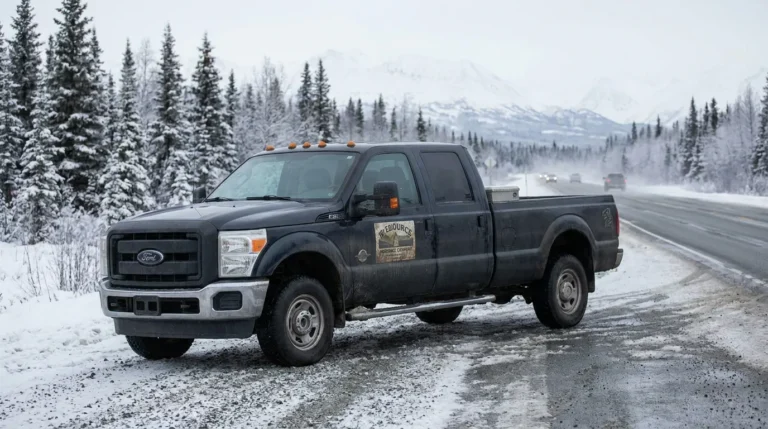
How Alaska Law Reaches Beyond the Driver’s Seat
Key Takeaways: Yes, resource extraction companies in Alaska can be held liable for truck crashes when their operations, employment relationships, or safety failures contributed to the collision, and liability often extends beyond the driver to carriers, extraction companies, and contracting entities. Oil, mining, and logging hauls put heavy trucks on dangerous remote roads where crashes frequently cause catastrophic injury or death. Corporate liability flows from vicarious liability for employee negligence or direct negligence such as negligent hiring, poor maintenance, or unrealistic schedules, and in narrow statutory circumstances, strict liability may apply. Proving these claims requires preserving evidence like ELD data, hours-of-service logs, maintenance records, and dispatch documents before it disappears. Alaska uses apportioned fault, so companies typically pay in proportion to their assigned share, and claims generally must be filed within two years under AS 09.10.070(a). Victims should consult an Alaska attorney early to protect their claim.
Yes, resource extraction companies can be held liable for Alaska truck crashes when their operations, employment relationships, or safety failures contributed to the collision. Oil, mining, and timber operations put heavy commercial trucks on remote highways and haul roads daily. When these trucks cause catastrophic injury or death, liability often extends beyond the driver to the carrier, extraction company, or contracting entity. This article explains how that liability works and what plaintiffs need to prove.
If you or a family member suffered serious harm in a collision involving a commercial hauler, the team at Farnsworth & Vance can review the facts with you. Call 907-290-8980 or reach out through our online case review request to speak with an Alaska attorney in person.
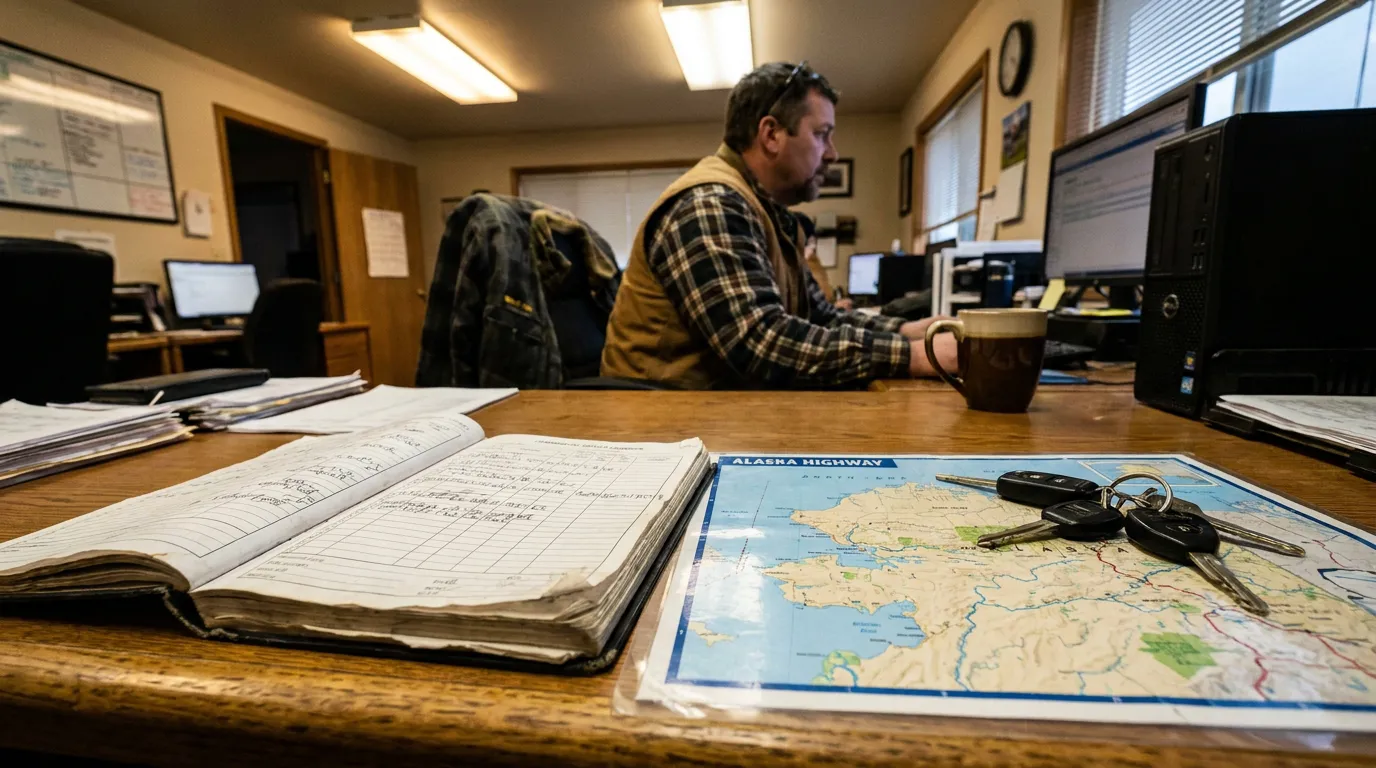
Why Resource Extraction Trucks Carry Outsized Risk
Resource extraction generates some of the most dangerous truck traffic in the state. Fully loaded fuel tankers, ore haulers, and log trucks travel long distances on ice, gravel, and two-lane roads with limited shoulders. The size and weight mean crashes frequently produce permanent disability, long-term care needs, or wrongful death rather than minor injury. This reality shapes both medical stakes and legal exposure.
Federal data confirms the danger. The Federal Motor Carrier Safety Administration’s annual publication on large truck and bus crash facts tracks fatal, injury, and property-damage crashes involving heavy commercial vehicles, providing plaintiffs a neutral, government-sourced baseline when framing the risk. Understanding why semi-truck collisions turn deadly is a useful starting point for evaluating a claim.
Oil Field, Mining, and Logging Hauls
The type of operation often points toward companies that may share fault. An oil field truck crash may implicate a drilling operator, a hauling contractor, and the driver’s employer simultaneously. A mining truck accident on a private haul road can involve maintenance and dispatch decisions by the mine operator. A logging truck accident may raise questions about load securement, route selection, and scheduling pressure. Each scenario requires identifying who controlled the conduct that caused harm.
Documenting the Crash Before Evidence Disappears
Time works against victims because critical evidence is often controlled by companies you may sue. Electronic logging device data, black-box downloads, hours-of-service logs, maintenance records, and cargo loading documents can be overwritten or discarded without preservation demands. In resource extraction cases, dispatch records and contractor agreements show who directed the driver. Acting early helps preserve the documentary trail connecting a corporate defendant to the crash.
💡 Pro Tip: If you can safely do so, photograph the truck’s company markings, DOT number, and trailer placards at the scene. Those identifiers often reveal the operating company and contracting relationship behind it.
How Companies Become Legally Responsible
Corporate truck liability in Alaska generally flows from vicarious liability or direct negligence. Vicarious liability means an employer can be responsible for employee negligent acts committed within the employment scope. Direct negligence focuses on the company’s own conduct, negligent hiring, inadequate maintenance, unrealistic schedules, or failure to enforce federal safety rules. These theories can apply together.
Federal law also shows how far liability can reach in Alaska’s extraction context. Under the trans-Alaska pipeline statute, the right-of-way holder can be held strictly liable for certain damages connected to pipeline activity. The text at 43 U.S.C. § 1653(a)(1) provides that the holder is strictly liable to damaged parties without regard to fault unless it proves damages were caused solely by an act of war or by negligence of the United States, another government entity, or the damaged party, with strict liability limited to $350 million per incident. Strict liability is limited to specific statutory circumstances, but it illustrates that Alaska law recognizes liability tied to extraction operations.
Vicarious Liability, Independent Contractors, and Third-Party Claims
Companies frequently argue a driver was an independent contractor rather than an employee to avoid vicarious liability trucking exposure. Courts may look past labels and examine the degree of control the company exercised over work, routes, and schedule. A third-party trucking claim can also target entities beyond the driver’s direct employer, such as a maintenance provider or component manufacturer whose defect contributed to the crash. Because these classifications are fact-dependent, outcomes vary.
What a Truck Accident Lawyer Alaska Victims Rely On Investigates
A truck accident lawyer Alaska residents consult after a serious crash will build the case around duty, breach, causation, and damages. Proving corporate responsibility requires evidence beyond the police report. Investigation commonly focuses on:
- FMCSA compliance records, including hours-of-service logs and driver qualification files
- Electronic logging device and black-box data showing speed, braking, and drive time
- Maintenance and repair histories that may reveal deferred or ignored safety issues
- Cargo loading and securement records relevant to overweight or shifting loads
- Contracts and dispatch records establishing who controlled the driver’s work
This document-driven approach is where insider knowledge matters. Two attorneys at Farnsworth & Vance previously worked as insurance defense litigators and now use that background to anticipate how carriers and their insurers evaluate and contest these claims. Hiring a local firm that meets you in person gives you a practical advantage over out-of-state operations that may never step onto an Alaska haul road or into an Alaska courtroom. If your crash happened in the region, an Anchorage truck accident lawyer can evaluate the corporate structure behind the truck.
Deadlines and Fault Rules That Shape Your Claim
Alaska allocates responsibility according to each party’s share of fault, which directly affects a corporate defendant’s exposure. Alaska uses an apportioned-fault system where the jury assigns a percentage of total fault to each responsible person. Under reforms enacted in CSHB 158(FIN) amending AS 09.17.080(a), the court instructs the jury to allocate fault among claimants, defendants, third-party defendants, and other responsible persons, including employers, whether or not they were named as parties. The stated purpose was more equitable distribution of injury cost and risk, with awards allocated according to fault.
Each liable party’s obligation is generally tied to its own equitable share of fault. Under AS 09.17.080(c), the court states each party’s equitable share of the obligation to the claimant according to respective fault percentages. This several-liability framework means a resource extraction company would ordinarily pay in proportion to its assigned fault rather than automatically covering the entire judgment.
Alaska also imposes a strict filing deadline. Under AS 09.10.070(a), an action for personal injury or death generally must be commenced within two years of the cause of action’s accrual, and a wrongful death action must generally be brought within two years of the death date under AS 09.55.580. Courts interpret exceptions such as tolling and the discovery rule narrowly, and they don’t apply automatically. Missing this deadline can bar an otherwise strong claim.
Frequently Asked Questions
-
Can I sue both the truck driver and the extraction company?
In many cases, yes. Alaska’s apportioned-fault system allows fault allocation among multiple responsible parties, including a driver and employer or contracting company. Whether the company shares liability depends on the employment relationship and its own conduct.
-
What if the driver was labeled an independent contractor?
A contractor label does not end the analysis. Courts may examine actual control a company exercised over the work. Resource extraction truck liability can still attach where the company directed routes, schedules, or safety practices, subject to specific facts.
-
How long do I have to file an Alaska truck crash claim?
Generally two years from the date the cause of action accrues under AS 09.10.070(a). Limited exceptions may apply, but courts read them narrowly, so don’t assume additional time is available.
-
Does hiring a local firm actually matter?
It can matter significantly. A local firm can inspect Alaska crash sites, appear in Alaska courts, and meet you face to face. That access is difficult for out-of-state firms handling cases remotely.
-
Will I be blamed for part of the crash?
Possibly, because Alaska uses pure comparative fault. If you are assigned a percentage of fault, it proportionally reduces your recovery, but partial fault doesn’t bar your claim unless you are found entirely at fault. Allocation depends on the evidence.
Protecting Your Claim Against Well-Resourced Defendants
Resource extraction companies and their insurers have substantial resources and contest liability aggressively. Alaska law provides real paths to hold them accountable through vicarious liability, direct negligence, and in narrow circumstances strict liability, but success depends on preserving evidence, applying correct fault rules, and filing within the two-year deadline. Every crash turns on its own facts.
To discuss a commercial truck crash involving an oil field, mining, or logging operation, contact Farnsworth & Vance today. Call 907-290-8980 or send your details through our confidential contact form to arrange an in-person consultation with an Alaska attorney.