
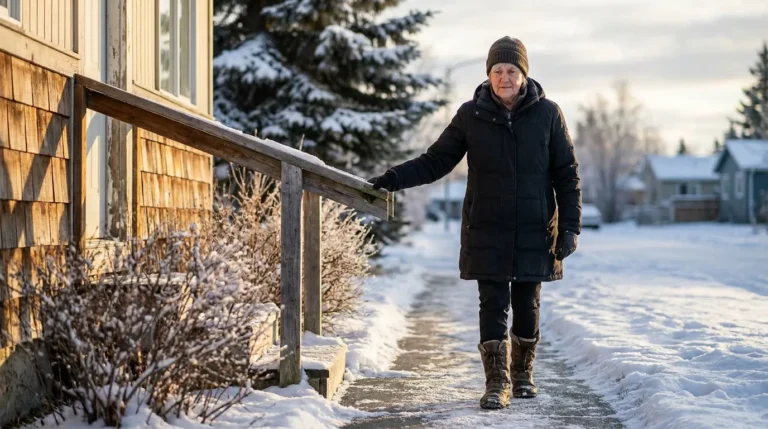
When a Simple Fall Becomes a Serious Legal Matter for Alaska Seniors
Key Takeaways: Roughly one in four adults over 65 fall each year, with Alaska’s icy winters raising the risk further. When a preventable hazard on someone else’s property causes a fall, injured seniors may pursue compensation for medical bills, lost income, and pain. Alaska premises liability law requires owners to keep property reasonably safe, though claims against city or borough property follow different rules under AS 09.65.070. Fault is apportioned among parties under AS 09.17.080, and recovery may be reduced by insurance under AS 09.17.070. Most personal injury claims must be filed within two years under AS 09.10.070. An experienced Anchorage attorney can investigate, gather evidence through discovery, and guide injured seniors through the process.
A fall is far more dangerous for older adults than many realize. Roughly one in four adults over 65 experiences a fall annually, and Alaska’s icy climate raises that risk during winter. When a preventable hazard on someone else’s property causes the fall, an injured senior may pursue compensation for medical bills, lost income, and pain. Understanding how Alaska law treats these claims is the first step toward protecting your rights.
If you or a loved one suffered a serious fall on unsafe property, the team at Farnsworth & Vance is ready to help. Reach us at 907-290-8980 or through our online case review request to discuss your options.
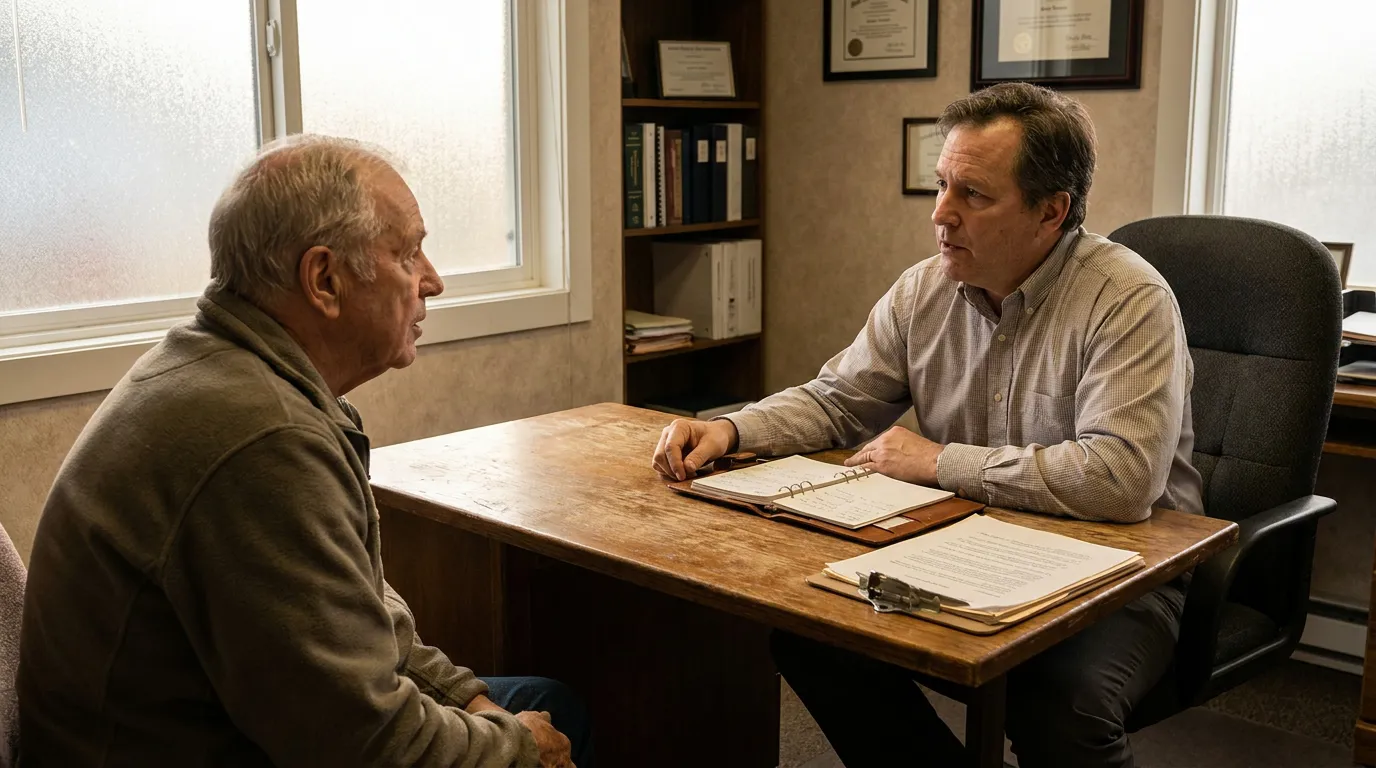
Why Falls Hit Older Adults Especially Hard
Age changes the body in ways that make falls both more likely and more devastating. As people age, bones lose density and hazards become harder to avoid. According to the Mayo Clinic, falling is one of the most common causes of hip fracture in older adults, often from standing height, turning an ordinary stumble into a life-altering injury.
The reasons are well documented. Guidance on hip fracture risk factors explains that risk rises with age, and multiple medicines, poor vision, and balance problems increase fall likelihood. In Anchorage, seasonal ice and snow add another layer of danger that property owners must generally address.
💡 Pro Tip: After a fall, ask someone to photograph the exact hazard, ice, loose rug, or poor lighting, before conditions change. Evidence often disappears within hours.
How Alaska Premises Liability Law Protects Injured Visitors
Alaska premises liability law requires property owners to keep premises reasonably safe for lawful visitors. When a business, landlord, or municipality fails to correct or warn about a known hazard, and that failure causes injury, the injured person may have a valid claim. Property owner negligence in Anchorage often involves untreated ice, unsalted walkways, broken handrails, or hidden obstacles.
Not every fall leads to liability. Courts examine whether the owner knew or should have known about the danger and had reasonable opportunity to fix it. Winter conditions raise unique questions about timing and reasonableness, which is why injured seniors benefit from reading how courts approach icy sidewalk fall accidents.
Claims involving public property follow different rules. If a fall happens on city or borough land, AS 09.65.070 governs suits against incorporated units of local government. While that statute allows municipalities to be sued, it also gives local governments certain immunities and defenses, for discretionary decisions or, in some circumstances, for failing to inspect property the municipality neither owns nor leases, that private businesses lack. These statutory protections can significantly affect whether and how a claim proceeds.
Finding a Slip and Fall Attorney Anchorage Seniors Rely On
A slip and fall attorney Anchorage families trust does far more than file paperwork. Building a strong case takes methodical investigation through the formal litigation process. Once a case is filed, the defendant answers the complaint, after which discovery begins.
Discovery is where real evidence-gathering occurs. As Alaska legal resources explain, discovery allows each side to learn the facts supporting allegations and defenses. A knowledgeable Alaska personal injury lawyer uses this phase to obtain incident reports, maintenance records, surveillance footage, and witness statements revealing what a property owner knew and when.
Skilled representation helps injured seniors avoid preventable mistakes. An experienced slip and fall attorney Anchorage residents work with can preserve evidence, manage insurer communications, and evaluate how Alaska’s fault rules may affect claim value. Learn more on our Anchorage slip and fall accident lawyer page.
💡 Pro Tip: Keep every medical record, discharge summary, and physical therapy note in one folder. A clear treatment timeline often becomes central to proving the full extent of a hip fracture claim.
How Fault and Compensation Are Calculated in Alaska
Alaska allocates fault among everyone who contributed to an injury, directly affecting recovery. Under Alaska’s pure comparative fault approach, a senior’s own actions may reduce their recovery in proportion to their share of fault, but do not bar recovery entirely, even if they are found more than half at fault.
This allocation is formalized through Alaska’s apportionment rules. Under AS 09.17.080, responsibility is divided among parties based on their share of fault. If an injured person is found partly responsible, for example, by ignoring an obvious warning, the court reduces the award proportionally rather than barring it entirely.
Insurance and government benefits can also influence recovery. Alaska’s collateral source rule under AS 09.17.070 limits a claimant’s recovery to damages exceeding amounts received (or likely to be received) from collateral sources, whether private, group, or governmental. A person defending a claim may introduce evidence of qualifying collateral source payments, but certain sources are excluded from this evidentiary provision, including federally funded programs that by law must seek subrogation or that have a right of subrogation under federal law (such as Medicare), death benefits paid under life insurance, and workers’ compensation benefits under AS 23.30. This rule frequently shapes final settlement or verdict numbers, though the rule contains its own conditions and exceptions.
The table below summarizes several Alaska statutes that commonly influence senior fall-injury claims.
| Legal Issue | Governing Authority | Practical Effect |
|---|---|---|
| Dividing responsibility | AS 09.17.080 | Fault is apportioned among parties |
| Insurance offsets | AS 09.17.070 | Recovery limited to amounts above certain collateral sources |
| Claims vs. local government | AS 09.65.070 | Immunities and defenses may apply |
| Wrongful death damages | AS 09.55.580 | Court or jury awards damages considered fair and just |
Wrongful death actions in Alaska are governed by AS 09.55.580. That statute allows the court or jury to award damages it considers fair and just, with no statutory cap on pecuniary damages under current Alaska law. Because the applicable rules depend on the type of claim and specific facts, whether and how this statute applies varies by case.
💡 Pro Tip: Do not accept a quick settlement before a physician confirms whether a hip fracture will require future surgery or long-term care. Early offers rarely account for full lifetime costs.
Why Acting Quickly Protects Your Claim
Injured seniors in Alaska have a limited window to bring a civil claim. Personal injury actions are generally governed by a two-year limitations period under AS 09.10.070. Once that deadline passes, courts may refuse to hear the case regardless of merit.
Exceptions to the deadline exist, but courts interpret them narrowly. In limited circumstances, a discovery rule or tolling doctrine, such as the pause while an injured person is a minor or legally incapacitated under AS 09.10.140, may extend the filing time, yet these exceptions do not apply automatically. Claims against government defendants can carry additional requirements alongside the civil statute of limitations.
Prompt action also preserves practical case strength. Witnesses move, memories fade, and winter hazards melt away. Consulting an attorney early gives the legal team time to investigate before critical evidence for a winter fall injury in Anchorage disappears.
💡 Pro Tip: Write down names and phone numbers of anyone who saw your fall or the hazard. Independent witnesses can make a decisive difference during discovery.
Frequently Asked Questions
-
Can an elderly fall injury in Alaska still lead to a claim if I was partly at fault?
Yes, partial fault does not automatically end a claim. Under AS 09.17.080, courts apportion damages according to each party’s responsibility, so a senior who was partly at fault may still recover a reduced amount. Alaska follows pure comparative fault, so recovery is reduced by your percentage of fault but not eliminated.
-
How long do I have to file a senior slip and fall claim in Anchorage?
Most personal injury claims must be filed within two years under AS 09.10.070. Certain narrow exceptions, such as the discovery rule or tolling while a person is legally incapacitated, may extend that period, but courts apply them cautiously. Speaking with a lawyer early helps confirm which deadline governs your case.
-
Does my health insurance reduce what I can recover?
It can, because of Alaska’s collateral source rule. Under AS 09.17.070, a claimant’s recovery is limited to damages exceeding amounts received (or likely to be received) from collateral sources, whether private, group, or governmental. A person defending a claim may introduce evidence of qualifying collateral source payments, but certain sources are excluded from this evidentiary provision, including federally funded programs that by law must seek subrogation or that have a right of subrogation under federal law (such as Medicare), death benefits paid under life insurance, and workers’ compensation benefits under AS 23.30. How this applies varies with each claimant’s coverage and the specific exceptions in the rule.
-
What if my fall happened on city or borough property?
Claims against local government follow different rules. AS 09.65.070 governs suits against incorporated units of local government, giving cities and boroughs certain immunities and defenses, such as protection for discretionary decisions, that private businesses lack. These protections can affect whether and how you recover.
-
Are hip fractures common in senior falls?
Unfortunately, yes. Medical guidance confirms falls are a leading cause of hip fractures in older adults, often from a simple fall while standing. These injuries frequently require surgery and extended recovery, increasing potential claim value.
Protecting Seniors After a Preventable Fall
A serious fall can change an older adult’s life in an instant, but Alaska law offers meaningful protection. Between premises liability principles, apportionment under AS 09.17.080, the collateral source rule under AS 09.17.070, and the deadlines within Title 9, injured seniors have real avenues to pursue accountability when property owner negligence in Anchorage causes harm. Every case turns on its own facts, so early, informed guidance matters.
If a hazardous property left you or a loved one seriously injured, the team at Farnsworth & Vance is here to listen and explain your options. Call us at 907-290-8980 or reach out through our confidential contact form to take the next step toward protecting your rights.


