

Understanding the Court-Appointed Medical Review Process in Alaska Malpractice Claims
Key Takeaways: Alaska’s expert advisory panel is a court-appointed three-person panel authorized by AS 09.55.536 that reviews a medical malpractice case and reports on whether the provider met the standard of care and whether any deviation caused the claimed harm. Appointment is the default: unless the parties agreed to arbitration under AS 09.55.535, the court generally must appoint a panel within 20 days after the answer is filed, unless it decides an expert advisory opinion is unnecessary. The panel is advisory: under AS 09.55.536(e) its report may be admitted into evidence like other expert testimony, but it does not bind the jury. The panel may compel production of records, compel attendance of witnesses, interview the parties, and physically examine the injured person, and discovery is generally stayed until the report issues or 60 days after the panel is selected. Panel review does not pause the statute of limitations, and civil deadlines are distinct from administrative notice requirements involving government facilities, even though the panel statute applies to public and private providers alike. Unfavorable findings can influence settlement posture but don’t automatically end a claim, and retained medical witnesses are generally still needed at trial.
If you are pursuing a malpractice claim in Alaska, you may hear that a panel of experts will review your case before it reaches a jury. That process comes from AS 09.55.536, which directs an Alaska court to appoint a three-person panel to review the case and report on standard of care and causation. The panel does not decide your case or replace the jury. It is one step in a longer malpractice process, and understanding it early may help you set realistic expectations about timing and evidence.
If you believe you or a family member was harmed by medical negligence in Anchorage or elsewhere in Southcentral Alaska, the team at Farnsworth & Vance can review what happened and explain how panel review might affect your claim. Call 907-290-8980 to speak with our office, or contact us now to request a case evaluation.
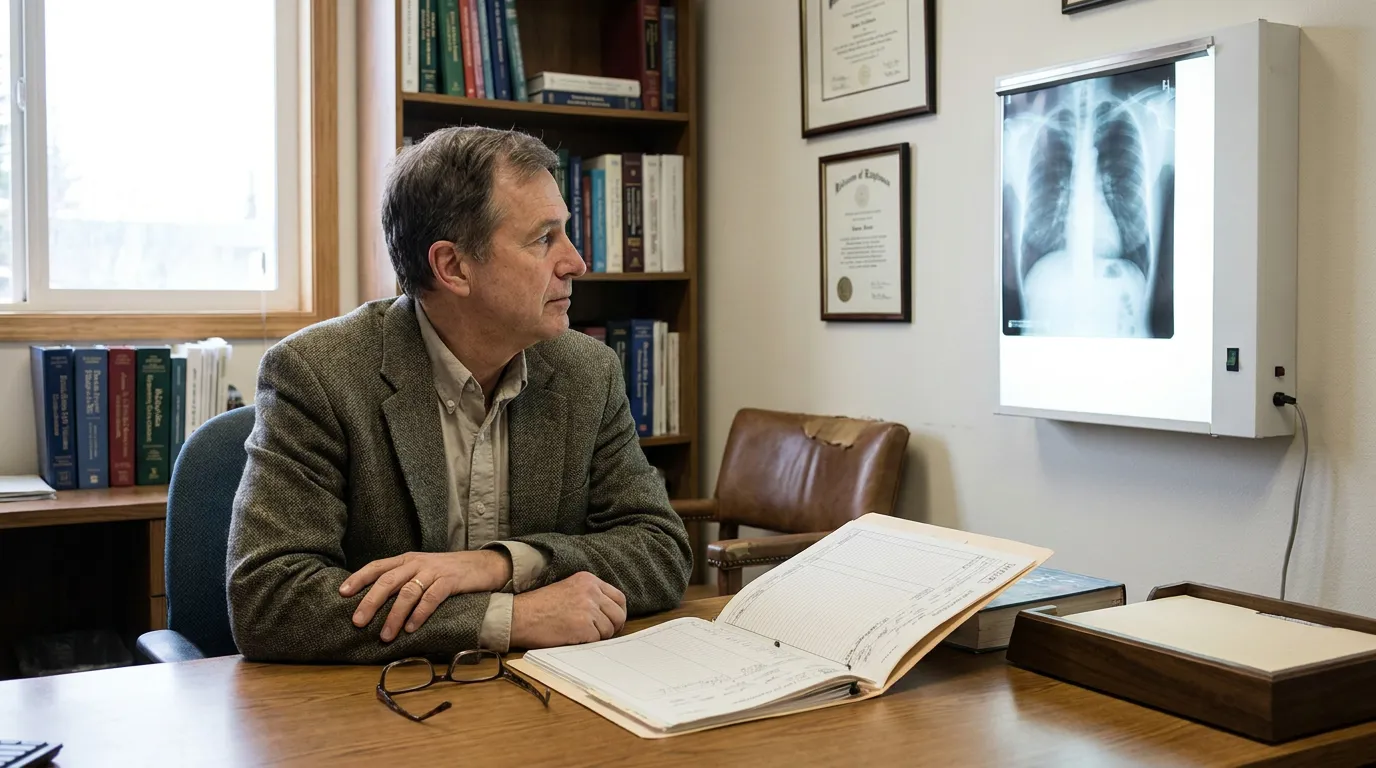
What the Alaska Expert Advisory Panel Statute Actually Requires
Alaska law directs a court to appoint an advisory panel in most medical malpractice actions under AS 09.55.536. Under subsection (a), when the parties have not agreed to arbitration under AS 09.55.535, the court shall appoint a three-person expert advisory panel within 20 days after the answer is filed, unless it decides an expert advisory opinion is not necessary. The court determines which professions or specialties will be represented, giving the parties a chance to object or make suggestions, and under subsection (c) the panel reports on whether the diagnosis and treatment were appropriate and what the likely outcome would otherwise have been. Under subsection (i), the statute applies whether the provider is a private or governmental entity.
The panel’s role is advisory, not decisional. Under AS 09.55.536(e), the report may be admitted into evidence and considered like other expert testimony, and panel members may be called and examined as witnesses, but the report does not bind the jury’s ultimate decision. A jury may still reach a different result based on the full record, including live testimony from treating and retained witnesses.
Reading the statute in context matters. It sits inside the broader chapter on Alaska medical malpractice statutes, which includes related sections on burden of proof, damages, and limitations periods, including the noneconomic damages limits in AS 09.55.549. How these provisions interact can affect strategy, so the panel should not be evaluated in isolation.
Where the Requirement Came From
Alaska’s panel framework traces back to legislative tort reform activity rather than judicial invention. Bill text archived in the Alaska Legislature’s BASIS system includes House Bill 492 from the 18th Legislature, which addressed medical malpractice claim procedures — including a proposal to repeal Civil Rule 72.1 — that form part of the statutory backdrop for Alaska’s expert advisory panel review system. Senate Bill 254 from the 18th Legislature, also in BASIS, was a broader civil tort reform bill addressing damages caps, statutes of repose, and comparative fault, and did not specifically target the expert advisory panel mechanism.
Scholarly commentary from the Alaska Law Review has analyzed reforms of this kind, examining tort reform measures enacted in the 1970s and 1980s, including procedural screening requirements in malpractice claims. Secondary sources like these explain context, but the controlling authority is generally the statute itself, Alaska Civil Rule 72.1, and Alaska appellate decisions interpreting them.
How the Alaska Expert Advisory Panel Malpractice Review Typically Unfolds
In practice, panel review is a records-based inquiry with investigative tools, not a trial. The parties submit medical records under Alaska Civil Rule 72.1, and the panel may also compel production of documents, compel attendance of witnesses, interview the parties, consult specialists or medical literature, and physically examine the injured person if living. The panel then issues a signed written report, generally due within 30 days of appointment, which the court may extend by another 30 days on application; individual members may file concurring or dissenting reports. Because practices can vary by court, your attorney should confirm what the assigned judge expects in your matter.
Here is a simplified view of where panel review generally fits:
| Stage | What Generally Happens | Practical Consideration |
|---|---|---|
| Pre-filing investigation | Records gathered, medical review obtained | Deadlines may already be running |
| Complaint filed | Malpractice litigation Alaska formally begins | Defendants respond and the panel clock starts |
| Panel appointment | Court appoints a three-person panel under AS 09.55.536 | Court sets the specialties; parties may object or suggest |
| Panel findings issued | Non-binding report on care and causation | May be admitted and treated like expert testimony |
| Trial | Jury weighs all evidence | Panel findings do not control the verdict |
Timelines are fact-dependent and can vary considerably. Complex cases involving multiple providers, birth injuries, or disputed causation often take longer than the statute’s nominal deadlines, and extensions are common. Under AS 09.55.536(f), discovery generally may not be undertaken until the panel’s report is received or 60 days after the panel is selected, whichever occurs first, though the court may relax that restriction for good cause.
Common Challenges Families Encounter
Several recurring issues frustrate claimants during panel review. Being aware of them may reduce surprise and help you prepare a stronger submission.
- Incomplete medical records, which can weaken the picture presented to the panel
- Unfavorable findings that, while not binding, may be admitted at trial and influence settlement posture
- Delay between filing and findings, compounded by limits on discovery during that period
- Confusion about what the standard of care in Alaska actually requires in a given specialty
- Assuming the panel replaces the need for retained medical witnesses at trial
💡 Pro Tip: Request complete copies of your medical records, including imaging, nursing notes, and medication administration records, as early as possible. Gaps discovered late can be far harder to fix once a submission deadline approaches.
How Panel Findings Interact With Deadlines and Damages
Panel review does not pause your obligation to file on time. Alaska’s limitations rules for malpractice claims, generally two years from accrual, subject to the discovery rule and limited exceptions, operate independently of the panel process, which occurs only after suit is filed. Review our discussion of the statute of limitations for malpractice and confirm specifics with counsel, since tolling is not automatic.
Civil deadlines are also distinct from administrative claim deadlines. If a claim involves a government-operated facility or public employee, separate notice or claim-presentment requirements may apply, for example, under municipal charters and ordinances or, for federal facilities such as tribal health or military providers, the Federal Tort Claims Act. Treating the two as interchangeable is a frequent and costly mistake, even though the panel statute itself applies to public and private providers alike.
When a Death Is Involved
Malpractice claims ending in death may raise additional procedural layers. Standing, the identity of the personal representative, and recoverable damages are governed by Alaska’s wrongful death and survival statutes, and the panel’s findings on care and causation still apply because AS 09.55.536 covers actions for damages due to personal injury or death. Families in this position often benefit from working with an Alaska expert advisory panel malpractice lawyer who handles both malpractice and death claims.
💡 Pro Tip: Preserve everything. Discharge instructions, pharmacy printouts, appointment portal messages, and your own contemporaneous notes about symptoms and conversations may help corroborate a timeline that records alone don’t capture.
How Alaska’s Approach Compares Nationally
Alaska is not alone in using a screening mechanism. Many states have adopted pretrial screening panels, affidavit-of-merit requirements, or heightened witness qualification rules as part of broader liability reform, and national summaries of medical liability laws catalog these variations, including whether panels are pre-suit or post-filing and whether findings are admissible.
Comparisons are useful for context but not for legal conclusions. Only Alaska statutes, court rules, and appellate decisions control what happens in an Alaska courtroom, so out-of-state summaries should not substitute for analysis under AS 09.55.536, Civil Rule 72.1, and related provisions of Alaska civil procedure.
Practical Steps for Claimants Preparing for Panel Review
Preparation generally begins long before a panel is appointed. Because the panel is typically appointed shortly after the answer is filed and discovery is limited in the interim, the quality of what the panel receives may depend heavily on work done during pre-filing investigation.
Building a Record That Holds Up
Focus on documentation, chronology, and qualified medical opinion. An Anchorage malpractice attorney will generally want a complete records set, a clear timeline of treatment decisions, and a supporting medical opinion on how the care may have deviated from accepted practice. Outcomes depend on the specific facts of each case, and no preparation guarantees a favorable finding.
Be candid with your legal team about your own medical history. Pre-existing conditions and prior treatment do not necessarily defeat a claim, but they may surface during review, including through the panel’s authority to interview parties and examine the injured person, and addressing them proactively is generally more effective than reacting to them later.
Frequently Asked Questions
1. Does an advisory panel decide whether I win my malpractice case?
No. Under AS 09.55.536(e), the report is advisory and may be admitted into evidence and weighed like other expert testimony, but it does not bind the jury, which weighs the panel’s conclusions alongside all other evidence.
2. Who sits on the panel?
The statute calls for a three-person panel of experts. The court determines which professions or specialties will be represented, based on the issues in the case, and gives the parties a chance to object or make suggestions. A member may not attest to any portion of the report on which the member is not qualified to give expert testimony.
3. Can unfavorable panel findings end my case?
Not automatically. Unfavorable findings may be admitted at trial and can affect negotiating leverage and how a jury views the evidence, but a claimant may still proceed to trial and present contrary medical testimony, subject to applicable evidentiary rules.
4. Does panel review extend my filing deadline?
No. The limitations period operates separately and runs before suit is filed, while the panel is appointed after the answer. Confirm applicable deadlines with an attorney rather than assuming the panel process provides additional time.
5. Is a panel appointed in every Alaska malpractice case?
Not necessarily, but appointment is the default. A panel is not appointed if the parties agreed to arbitration under AS 09.55.535 or if the court decides an expert advisory opinion is not necessary. Your attorney can explain what may be likely in your matter.
What This Means for Your Claim
Alaska’s advisory panel process adds a court-appointed medical review layer to malpractice litigation, but it does not take the decision away from the jury. The statute addresses who serves, what the panel may review, and how its report may be used, while leaving the ultimate verdict to the trier of fact. For families dealing with a surgical error, missed diagnosis, birth injury, or medication mistake, the practical takeaway is straightforward: gather records early, understand that filing deadlines run independently of panel review, and recognize that outcomes turn on the specific facts of your case.
If you have questions about panel review or whether your situation may support a claim, Farnsworth & Vance is available to help you evaluate your options. Call our office at 907-290-8980 or reach out through our Alaska injury law firm website to get started.
Disclaimer: This content is for informational purposes only and is not legal advice. Every case is unique, and results may vary. Consult an attorney about your specific circumstances.


