
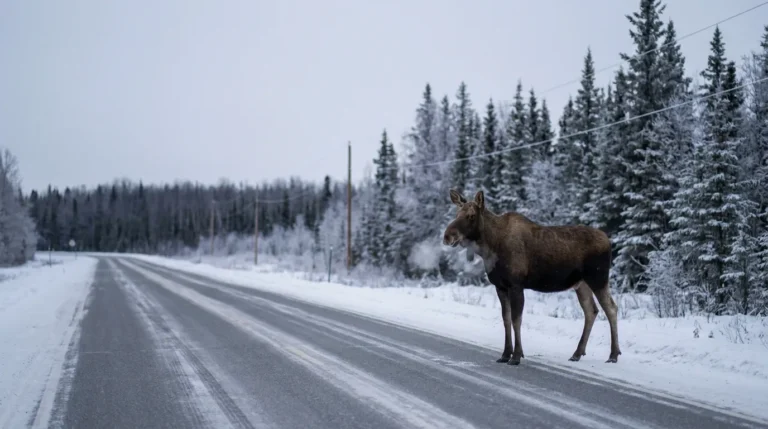
Understanding Fault After an Anchorage Moose Crash
Key Takeaways: When a moose collision injures an Anchorage passenger, liability depends on human negligence rather than the animal itself. Injured passengers may recover from their own host driver, another motorist, or a party responsible for hazardous road conditions. Alaska’s broad definition of fault under AS 09.17.900 allows multiple parties to share responsibility. Negligence per se from Ferrell v. Baxter can establish fault when a driver violates a traffic statute, though certain violations may be excused in emergencies. Alaska uses a pure comparative-fault system where juries allocate fault percentages, and passengers typically bear little or no fault. With a two-year statute of limitations under AS 09.10.070, prompt action and experienced legal guidance are essential.
When a moose collision injures an Anchorage passenger, liability generally depends on whether a driver or another party acted negligently. Alaska law focuses on human conduct, so an injured passenger may look to the driver of their own vehicle, another motorist, or occasionally a third party responsible for road conditions. Because Alaska applies a comparative-fault framework, several parties can share responsibility, and the passenger typically remains the least likely to bear fault.
If you or a loved one was hurt as a passenger, the team at Farnsworth & Vance is ready to help you understand your options. You can call our office at 907-290-8980 or reach out through our online case review form to discuss what happened.
💡 Pro Tip: Preserve everything from the scene, including dashcam footage, photos of the roadway, and the responding officer’s report, because these documents often become the backbone of a moose crash liability claim.
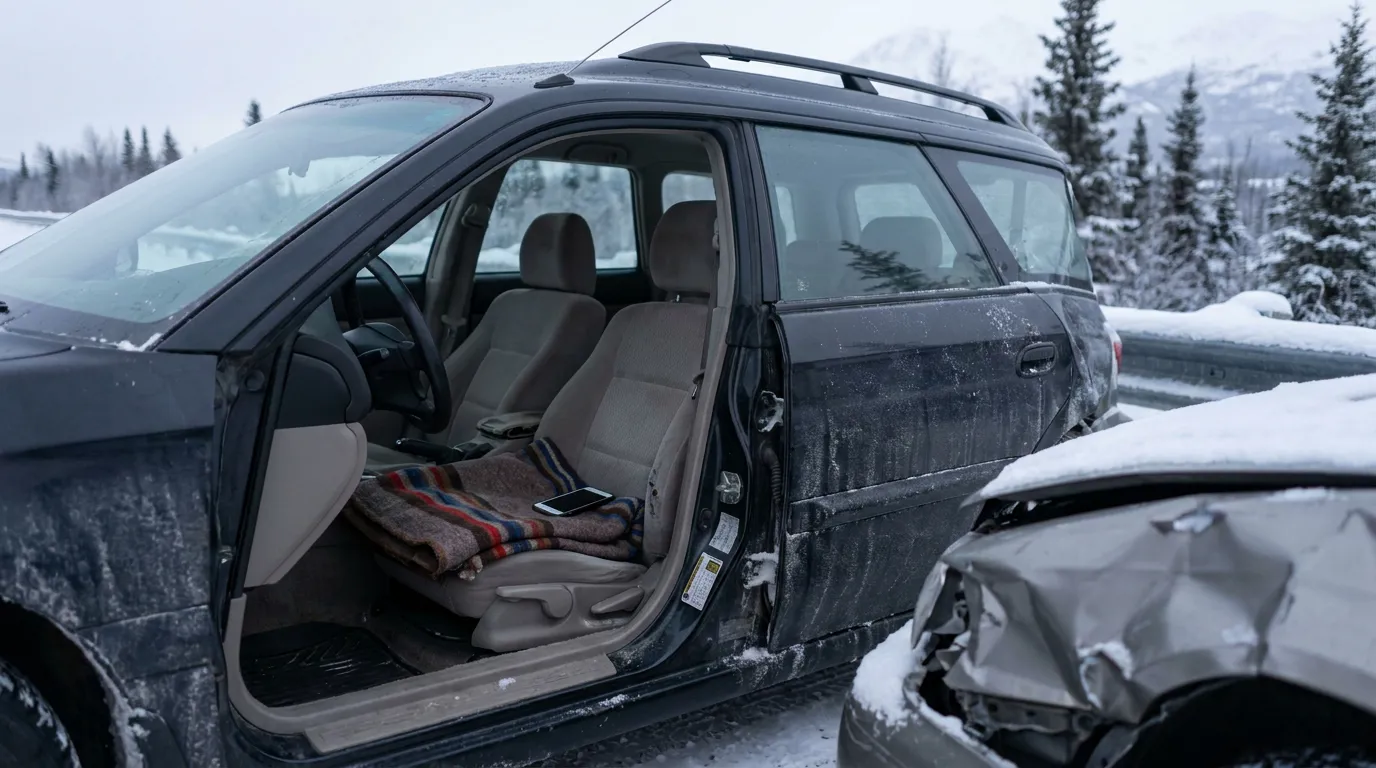
Why Moose Collisions Are Different in Alaska
Moose collisions present a unique challenge because the animal itself cannot be sued, so liability turns on driver behavior and road conditions. Anchorage and surrounding areas see frequent wildlife crossings, particularly in low light, and these crashes can cause severe injuries to passengers who had no control over the vehicle. The core legal question is whether a driver failed to exercise reasonable care given the known risk of wildlife on Alaska roadways. You can learn more about the frequency and danger of these crashes in this overview of moose accidents in Alaska.
A driver’s response to a moose in the road is often central to whether negligence exists. Driving too fast for conditions, ignoring wildlife warning signs, following too closely, or swerving unreasonably can all support a negligence claim. In many cases, a passenger’s recovery hinges on demonstrating that a reasonably careful driver would have acted differently under the same circumstances.
How Alaska Defines Fault and Negligence
Alaska applies a broad statutory definition of fault that shapes how liability is divided among everyone involved. Under AS 09.17.900, "fault" includes acts or omissions that are negligent, reckless, or intentional, and it also encompasses unreasonable assumption of risk and the unreasonable failure to avoid an injury or mitigate damages. This expansive definition means that more than one party’s conduct can be weighed when a passenger is injured. The governing framework for these civil claims is codified in Alaska’s Title 9 Code of Civil Procedure.
Alaska also recognizes negligence per se, which can establish negligence when a driver violates an applicable safety statute. This doctrine traces to the Alaska Supreme Court’s 1971 decision in Ferrell v. Baxter, which adopted Restatement (Second) of Torts §§ 286, 288A, and 288B. Under Restatement § 288B, the unexcused violation of an enactment that a court adopts as the reasonable-person standard "is negligence in itself."
Alaska law also acknowledges that certain violations may be excused, which is important in emergency situations like a sudden animal crossing. Restatement (Second) of Torts § 288A(2) lists circumstances that may excuse a violation, including incapacity, lack of knowledge, inability to comply after reasonable diligence, an emergency not caused by the actor’s misconduct, or situations where compliance would create a greater risk. A driver who swerves to avoid a moose may raise an emergency argument, though courts evaluate these defenses narrowly.
💡 Pro Tip: Document your medical treatment consistently from the first visit forward. Gaps in care are frequently used to question the severity of a passenger injury claim, even when the injuries are legitimate.
Who May Be Held Liable for a Passenger’s Injuries
Several parties may share liability when a passenger is hurt in a moose collision, and Alaska requires fault to be apportioned among all of them. Alaska law provides that in actions involving the fault of more than one person, the fault of each claimant, defendant, third-party defendant, released party, or other responsible person must be determined and awards allocated according to their fault. Potentially responsible parties can include:
- The driver of the vehicle the passenger was riding in, if that driver operated the vehicle unreasonably
- Another motorist whose conduct contributed to the crash
- A party responsible for hazardous road conditions or obstructed signage, in limited circumstances
Alaska statutes contain specific civil-liability provisions that can affect a passenger’s recovery. Title 9, Chapter 65 includes AS 09.65.112, which addresses civil liability for aircraft and watercraft guest passengers rather than motor-vehicle passengers, and AS 09.65.320, which addresses nonrecovery of noneconomic losses when a person is operating a motor vehicle while uninsured. Because AS 09.65.112 applies to aircraft and watercraft, identifying which statute actually applies to a passenger’s situation matters.
How Comparative Fault Affects What a Passenger Recovers
Alaska uses a pure comparative-fault system, and juries must formally allocate fault percentages among the parties. Under AS 09.17.080(a), the jury is required to answer a special interrogatory regarding the percentages of fault to be allocated among the parties. Because passengers rarely control the vehicle, they typically carry little or no fault, which often preserves the bulk of their potential recovery.
Damages available to an injured passenger are subject to several statutory limits. Alaska’s collateral source rule generally limits a claimant to recovering damages that exceed amounts already received from collateral sources such as private, group, or governmental insurance, with specified exceptions like workers’ compensation under AS 23.30. Separately, prejudgment interest may not be awarded for future economic damages, future noneconomic damages, or punitive damages under AS 09.30.070(c). These rules affect the net value of a claim and are best analyzed with the specific numbers in your case.
| Potentially Liable Party | Typical Basis for Liability |
|---|---|
| Host driver | Unreasonable speed or reaction to wildlife |
| Other motorist | Negligent driving contributing to the crash |
| Road-condition party | Hazardous conditions or obstructed signage, in limited cases |
💡 Pro Tip: Even if you were a passenger in a friend’s car, you can generally pursue a claim without personal conflict, because recovery is usually handled through applicable insurance coverage rather than out of pocket.
How a Car Accident Attorney Anchorage Passengers Trust Can Help
A qualified car accident attorney Anchorage passengers rely on can investigate fault, preserve evidence, and apply the correct Alaska statutes to your claim. Determining liability in a moose collision often involves reconstructing the crash, reviewing driver conduct, and analyzing whether negligence per se applies. An experienced Alaska car accident attorney can also evaluate how the collateral source rule and comparative-fault allocation affect your potential recovery. For scholarly background on how Alaska courts approach the standard of care in negligence cases, this Alaska Law Review analysis offers useful context.
Time-sensitive deadlines make early legal guidance especially important. Alaska’s statute of limitations for personal injury claims is two years from the date of injury under AS 09.10.070, though certain narrow exceptions may apply in limited circumstances. This civil deadline is separate from any administrative or insurance-related notice requirements. Because these timelines can be unforgiving, prompt action helps protect your claim. To learn more about local representation, visit this resource for an Anchorage car accident lawyer.
Frequently Asked Questions
1. Can a passenger sue the driver of the car they were riding in?
Yes, a passenger may generally pursue a claim against a host driver whose negligence contributed to the crash. Recovery is typically handled through the driver’s insurance coverage, and Alaska’s fault-apportionment rules under AS 09.17.080(a) determine how responsibility is divided.
2. Does hitting a moose automatically mean no one is at fault?
No, the presence of a moose does not eliminate potential liability. Alaska law focuses on whether a driver acted reasonably under the circumstances, and negligence per se under Ferrell v. Baxter may apply if a traffic statute was violated.
3. How long do I have to file a passenger injury claim in Alaska?
In many cases, the deadline is two years from the injury date under AS 09.10.070. Some exceptions may extend or toll this period in limited circumstances, but courts interpret them narrowly.
4. Will my own insurance reduce what I can recover?
It may, because Alaska’s collateral source rule generally limits recovery to damages exceeding amounts received from collateral sources. Exceptions exist, such as workers’ compensation under AS 23.30.
5. What damages can an injured passenger seek?
A passenger may seek economic and noneconomic damages, subject to statutory limits. Prejudgment interest is not available on future economic or noneconomic damages under AS 09.30.070(c). The available amount depends on the facts and applicable statutes.
Protecting Your Rights After a Moose Collision
Determining who is liable when a moose collision injures an Anchorage passenger requires applying Alaska’s fault definition, negligence per se doctrine, and comparative-fault rules to the specific facts. A passenger may recover from a host driver, another motorist, or another responsible party, with liability divided according to each party’s share of fault. Because damages limits, the collateral source rule, and the two-year deadline all influence a claim, timely and informed action matters.
If you were injured as a passenger, the team at Farnsworth & Vance is prepared to review your situation and explain your options under Alaska law. Call us today at 907-290-8980 or submit our confidential contact request to get started. Reaching out early helps preserve evidence and protect the recovery you may be entitled to pursue.


