
The Hidden Witness Inside Your Vehicle After an Alaska Crash
Key Takeaways: An event data recorder (EDR), or vehicle black box, is an electronic module in many modern cars that captures a few seconds of technical crash data such as speed, braking, throttle, seat belt use, airbag deployment, and change in velocity. Federal rules under 49 CFR Part 563 set minimum data elements for vehicles equipped with EDRs but do not require manufacturers to install one in every vehicle. In Alaska, EDR data ownership and access restrictions are primarily governed by the federal Driver Privacy Act of 2015, which establishes that recorded data is the property of the vehicle owner or lessee and generally restricts retrieval by anyone else without consent, a court order, or a listed statutory exception. Because data can be lost when a vehicle is repaired, resold, or scrapped, prompt preservation steps matter, especially with Alaska’s general two-year personal injury filing deadline under AS 09.10.070. Retrieval typically requires specialized tools and a trained technician, and results are generally best used alongside photographs, scene evidence, and medical records rather than as standalone proof. Used correctly, EDR data may support or contradict a driver’s account and can influence how fault is apportioned under Alaska’s pure comparative fault framework.
After a collision on the Glenn Highway or a snow-packed Anchorage intersection, memories blur and stories conflict. An event data recorder, or vehicle black box, is a small electronic module in many modern cars that captures technical data about what the vehicle was doing in the seconds around a crash. That information may help establish speed, braking, and restraint use at impact, which may support or contradict what a driver later tells an insurance adjuster.
If you were injured and believe a black box holds answers about how your crash happened, timing matters. The team at Farnsworth & Vance helps injured Alaskans understand what evidence may exist and how it can be preserved. Call 907-290-8980 or contact us now to discuss your situation.
EDR Basics: What a Vehicle Black Box Actually Records
An EDR captures technical data tied to a crash event rather than conversations or video. According to NHTSA, these devices record technical information for a brief period before, during, and after a collision, including pre-crash vehicle dynamics, driver inputs, crash severity, and restraint usage, to aid post-crash analysis.
Most people are surprised by how narrow the recording window is. Under current standards, an EDR generally captures only about five seconds of pre-crash data plus the impact itself, and typically activates when a triggering event such as airbag deployment or a sudden change in velocity occurs. It is not a continuous surveillance system.
Common Data Elements Captured
The precise elements vary by manufacturer and model year, but commonly include:
- Vehicle speed immediately before impact
- Brake application and throttle position
- Seat belt buckle status for occupants
- Airbag deployment timing
- Change in velocity during the collision
Why the Technical Detail Matters to Your Case
Objective measurements can carry weight that eyewitness recollection sometimes cannot. If an at-fault driver claims they braked immediately at the posted limit, recorded throttle and brake data may tell a different story. Because Alaska applies pure comparative fault under AS 09.17.060, meaning a plaintiff’s recovery is reduced by their own percentage of fault rather than barred, even a modest shift in fault apportionment may meaningfully affect a potential recovery.
How Federal Rules Shape Event Data Recorder Crash Evidence
EDRs are governed by a federal regulatory framework, so baseline standards apply the same in Anchorage as anywhere else. Under 49 CFR Part 563, NHTSA requires vehicles equipped with EDRs to record crash information in a readily usable form. A final rule on federal event data recorder rules published in December 2024 would extend the pre-crash recording period from 5 seconds at 2 Hz to 20 seconds at 10 Hz; NHTSA has since proposed delaying and phasing in that compliance date, so the longer window won’t appear in vehicles already on the road.
Federal law does not require every vehicle to have an EDR, a distinction frequently misunderstood. Part 563 sets minimum data elements and formatting requirements only for vehicles that have one. Since September 1, 2012, covered vehicles equipped with an EDR have generally been required to record a minimum data set, which is why many late-model vehicles on Alaska roads may contain usable crash data.
National Standards, Local Application
A uniform federal standard helps because downloaded data may be easier to interpret and authenticate. Crash reconstruction professionals often rely on standardized formatting when analyzing whether recorded values are consistent with physical damage, roadway evidence, and injury patterns. Admissibility still depends on the Alaska Rules of Evidence, including proper authentication and qualified expert testimony, and persuasiveness depends heavily on the specific facts.
Alaska Law Controls Who Owns and Can Access the Data
EDR data ownership and access in Alaska is primarily governed by the federal Driver Privacy Act of 2015, which generally limits who may retrieve the information. The federal Driver Privacy Act of 2015 establishes that data recorded by an EDR is generally the property of the vehicle owner or lessee. That ownership rule is the starting point for any discussion about access in an Alaska crash claim, as Alaska does not appear to have enacted a dedicated state EDR data privacy statute.
Consent is generally required before another party downloads the data. The federal Driver Privacy Act of 2015 provides that EDR data generally may not be retrieved by anyone other than the owner unless the owner consents, a court orders retrieval, or another statutory exception applies, such as a law enforcement investigation, safety research using non-identifying data, or vehicle diagnostics and servicing. Because these exceptions are statutory, courts may construe them according to their terms rather than expansively.
When a Court Order Enters the Picture
A court order is one of the more common pathways to obtaining another driver’s crash data. Federal law generally permits retrieval pursuant to a court order, which is one way EDR data may be used as evidence in civil car accident claims. Whether a court grants that request generally depends on relevance, proportionality, and the case’s procedural posture, and a party may also need to pursue the data through ordinary discovery under the Alaska Rules of Civil Procedure.
| Access Pathway | Statutory Basis | Practical Notes |
|---|---|---|
| Owner consent | Driver Privacy Act of 2015 | Simplest route when the vehicle is yours |
| Court order | Driver Privacy Act of 2015 | Often used to reach an at-fault driver’s data |
| Statutory exception | Driver Privacy Act of 2015 | Includes law enforcement, research, servicing |
💡 Pro Tip: If your own vehicle was totaled, tell your attorney before the salvage yard disposes of it. Once the vehicle is crushed or sold, the module holding your data may be gone permanently.
The Practical Side of Retrieving Crash Data
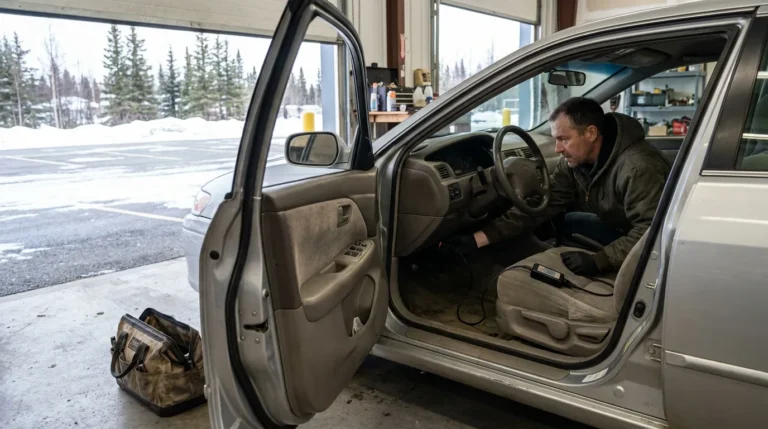
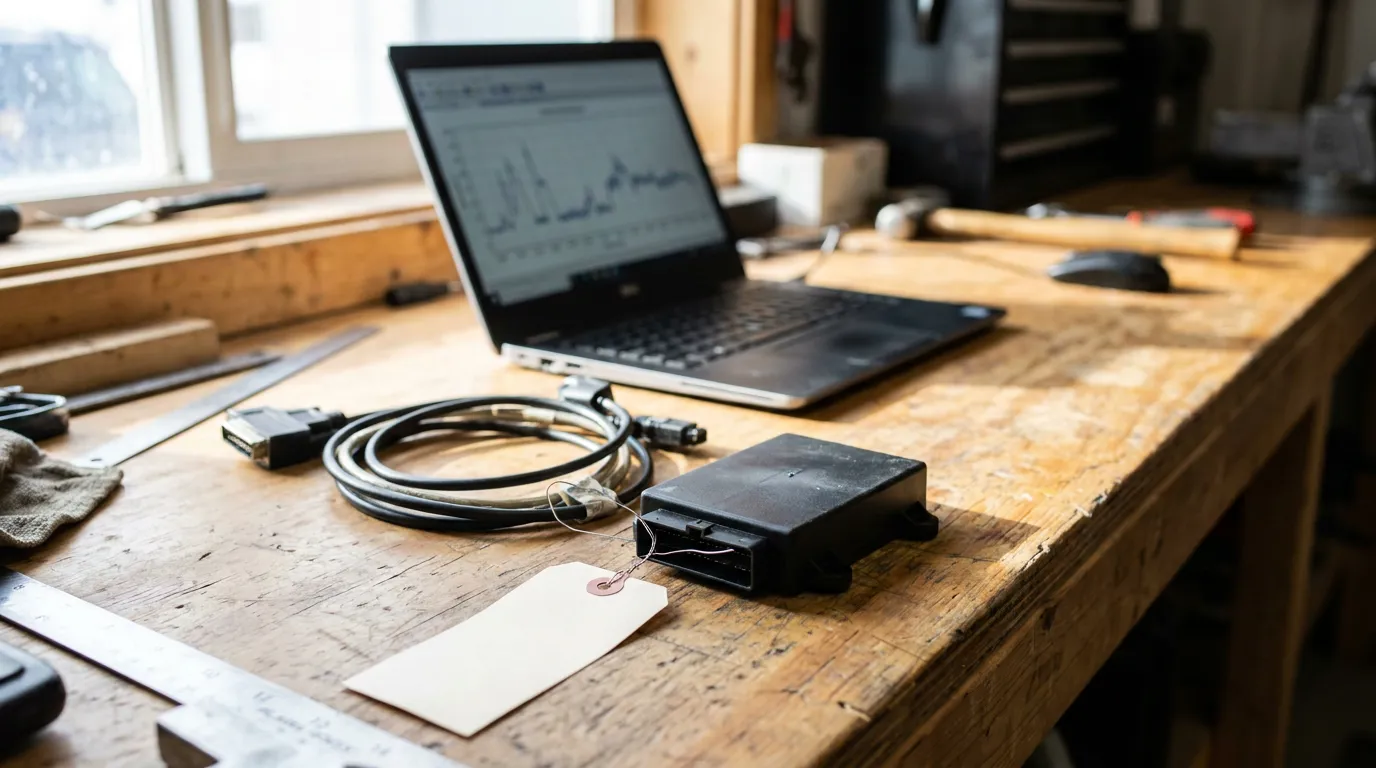
Downloading EDR information is not something a body shop does casually. Retrieval generally requires dedicated hardware and software, such as the Bosch Crash Data Retrieval tool, plus a trained technician who can connect to the correct module and produce a readable report. Not every vehicle is supported by commercially available retrieval tools, which may limit what can be obtained.
Preservation often becomes the real battleground. Vehicles get repaired, resold, or scrapped quickly, and a subsequent ignition cycle or later event can overwrite stored data in some systems. Sending a timely preservation letter and photographing the vehicle before it leaves your control may help protect access later, and may also matter if a spoliation issue arises.
Deadlines That Affect Evidence and Claims
Alaska’s statute of limitations for most personal injury lawsuits from car accidents is generally two years under AS 09.10.070, which can shape evidence strategy. Limited exceptions, such as tolling for minors or incompetent persons under AS 09.10.140 or the discovery rule, may apply, though courts generally interpret them narrowly. Separate and shorter notice requirements may apply if a government entity is involved. Only an attorney reviewing your situation can confirm which deadline applies.
Limits Worth Understanding Before You Rely on a Black Box
EDR data can be powerful, but it is generally not a complete account of a crash. The recorder captures machine measurements, not context, so it can’t show icy pavement, obstructed sightlines, a distracted driver looking at a phone, or a pedestrian stepping into a travel lane. Reconstruction professionals often combine recorder output with photographs, scene measurements, and police documentation to build a coherent picture.
Accuracy can also be challenged. Tire size changes, sensor calibration, recording tolerances, and severe structural damage or power loss during a crash may affect recorded values, and opposing parties sometimes raise those arguments. A thoughtful approach generally treats event data recorder crash evidence as one corroborating piece of proof rather than the entire case.
💡 Pro Tip: Avoid giving a recorded statement estimating your speed before anyone reviews the physical evidence. A casual guess that conflicts with recorded data can become an unnecessary credibility fight.
Building an Anchorage Injury Claim Around Objective Proof
Strong claims usually pair technical proof with well-documented human harm. Recorded data may help establish negligence and causation, while medical records, wage documentation, and treatment consistency may support the damages side. Readers exploring additional Alaska crash evidence topics often find that early organization of records makes later negotiations smoother.
Every collision presents its own evidentiary profile. An older vehicle may have no recorder at all, while a commercial truck may carry an engine control module and separate electronic logging systems governed by federal motor carrier rules rather than Part 563. Working with an event data recorder crash evidence lawyer can help you evaluate what data sources may exist and whether pursuing them is proportionate to your claim.
Frequently Asked Questions
1. Does my car definitely have an event data recorder?
Not necessarily, though it may be likely if your vehicle is reasonably modern. Federal rules set minimum data requirements for vehicles equipped with EDRs rather than mandating installation in every vehicle, so age and manufacturer both matter.
2. Can the other driver’s insurance company download my black box data?
Generally not without permission or legal authorization. Under the federal Driver Privacy Act of 2015, the data is generally considered the vehicle owner’s property, and retrieval by others is generally restricted absent consent, a court order, or a listed statutory exception.
3. How long does EDR data stay available after a crash?
It varies by system. Some modules may retain data until overwritten by a later event, while others may be affected by continued vehicle operation, which is why prompt preservation efforts are often advisable.
4. Will EDR data by itself decide who was at fault?
Rarely. Recorded values may inform fault analysis, but Alaska fault determinations typically consider the full evidentiary record, including scene conditions, witness accounts, and traffic rules, with fault ultimately apportioned by the trier of fact.
5. What should I do if my vehicle has already been repaired?
Speak with an attorney promptly about what may still be recoverable. Repair records, photographs, and the other vehicle’s data may remain available even when your own module has been disturbed.
Turning Recorded Data Into a Clearer Picture of What Happened
An event data recorder may offer a narrow but objective window into the moments surrounding a collision, capturing measurements like speed, braking, and seat belt use that human memory rarely preserves accurately. The federal Driver Privacy Act of 2015 generally treats that data as the vehicle owner’s property and restricts outside retrieval absent consent, a court order, or a statutory exception, while federal standards in 49 CFR Part 563 shape what gets recorded and how. Whether that information ultimately helps your claim depends on the facts, the vehicle, and how quickly steps are taken to preserve it.
You do not have to figure out the technical and legal pieces alone. Reach out to the Alaska injury attorneys at Farnsworth & Vance by calling 907-290-8980, or learn more about how the firm serves injured Alaskans through its Anchorage injury claim resources. Early action can make a meaningful difference in what evidence remains available.
Disclaimer: This content is for informational purposes only and is not legal advice. Every case is unique, and results may vary. Consult an attorney about your specific circumstances.


