
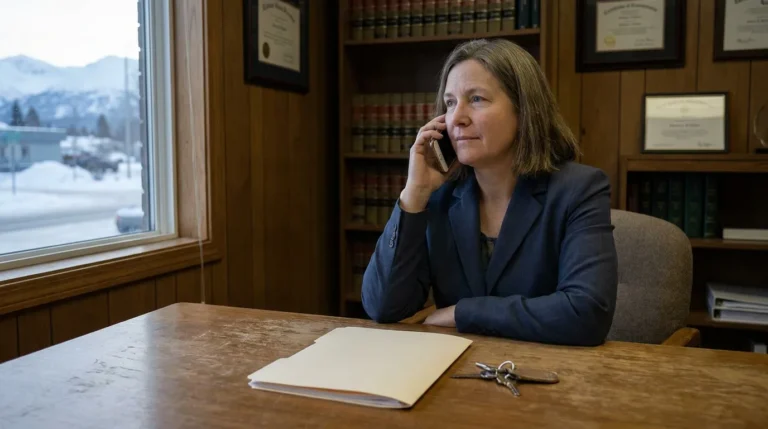
The Short Answer on Recorded Statements in Alaska
Key Takeaways: Alaska crash victims should not give a recorded statement to an insurance company without first understanding their rights. The adjuster often represents the at-fault driver and works to limit the insurer’s financial exposure. Recorded words can suggest inconsistency or partial fault, which matters under Alaska’s comparative-fault system that reduces damages based on your share of responsibility. Before speaking with an adjuster, focus on medical care, documenting the scene, and preserving evidence. You are generally not required to consent to being recorded. Alaska law gives you two years to file suit under AS 09.10.070, so there is no reason to feel rushed by an adjuster claiming urgency. You can cooperate with the claim process in writing, providing basic details while protecting yourself on questions of fault. Consulting a local Alaska attorney early is the safer path before you agree to be recorded.
In most situations, you should not give a recorded statement to an insurance company after an Alaska crash without first understanding your rights. After a collision, an adjuster may call within days and ask to record your account. That request sounds routine, but legal sources are clear: it’s never a good idea to give a written or recorded statement to an insurance adjuster or investigator after a car accident.
If you or a loved one suffered a lasting injury and an insurer is already asking questions, the team at Farnsworth & Vance can help you understand your options. Call 907-290-8980 or reach out through the firm’s online contact page before you agree to be recorded.
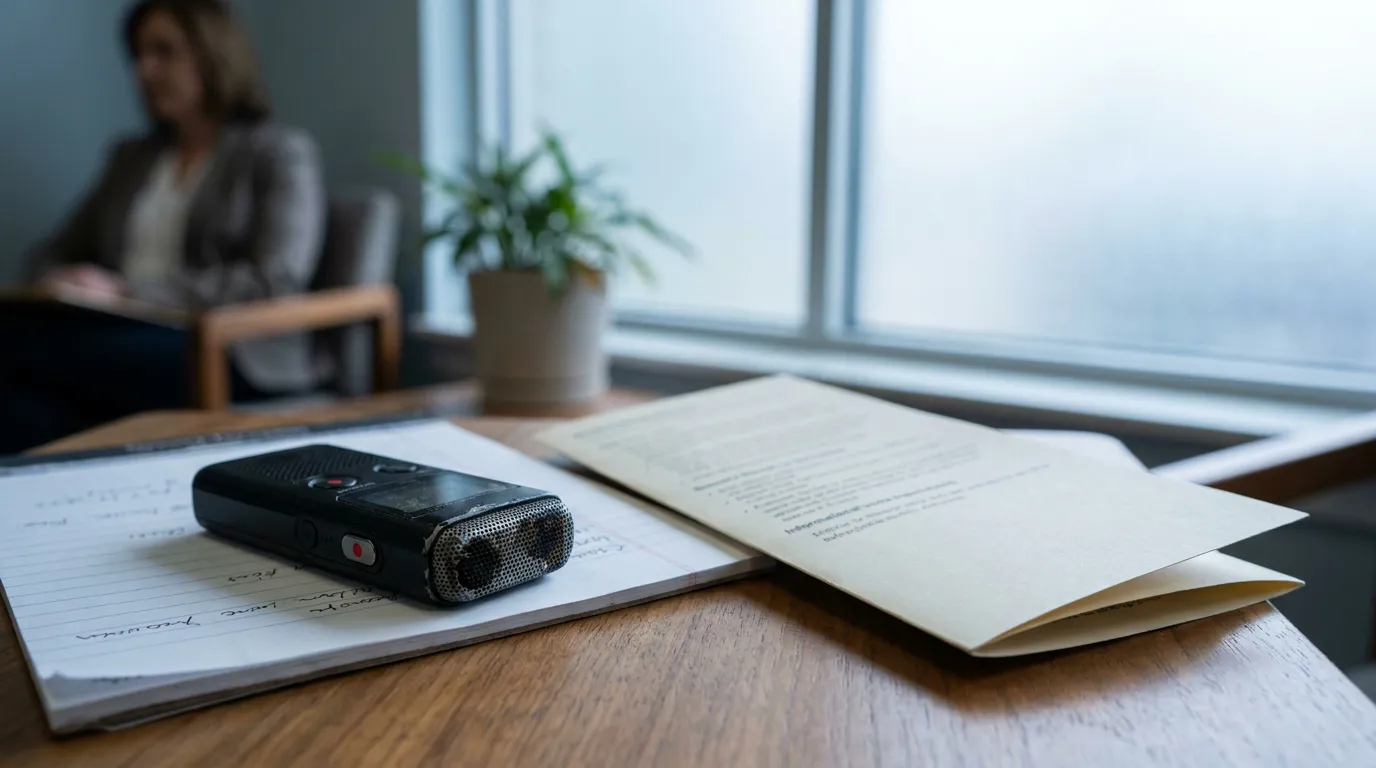
Why an Adjuster Wants Your Statement
A recorded statement is a tool the insurer uses to lock you into a version of events. The person on the phone is friendly and professional, but their job is to manage the financial exposure of the company they work for, not maximize your recovery.
The Adjuster Usually Works for the Other Side
In an injury claim, the adjuster reviewing your case frequently represents the driver who caused the crash. After a car accident, an injured passenger might file a claim with the at-fault driver’s insurance company, and that company’s adjuster will handle the claim. Their financial interests are directly opposed to yours. You can learn more about how insurance adjusters handle claims before you decide how to respond.
Recorded Words Can Be Used Against You
A recorded statement gives the insurer material it can pick apart later. The adjuster is trying to pin you down to one answer to create inconsistencies later. Even honest answers can be reframed. An adjuster benefits if you say something that can be used as "proof" you were at fault. Early in a claim, before you know the full extent of your injuries, offhand comments about how you feel can undercut a later diagnosis.
What to Do After a Car Accident in Alaska Before Talking to an Adjuster
Knowing what to do after a car accident in Alaska starts with slowing the process down. There is rarely a legal reason to give a recorded statement in the first days after a crash. Focus first on documenting the scene, getting medical care, and preserving evidence.
Here are practical priorities after a collision:
- Get medical treatment and follow through on every recommendation, because gaps in care can be used to dispute the seriousness of an injury.
- Photograph vehicle damage, road conditions, and visible injuries while they are fresh.
- Report the crash and exchange insurance information, but keep your description of fault brief and factual.
- Write down your own timeline while your memory is clear.
Being cautious about your words is a core part of any Alaska injury claim. It’s always important to watch what you say to an adjuster, especially regarding how the accident happened: never offer information that might indicate you were even partially at fault.
💡 Pro Tip: You are generally not required to consent to recording. You can decline the recording and still cooperate with the basic claim process in writing.
How Alaska’s Insurance Rules Shape Your Claim
Alaska law sets the financial framework that every crash victim operates within. Alaska’s Mandatory Insurance Statutes require motor vehicle owners to carry liability insurance that complies with Alaska Statute 28.22.101. Under that provision, drivers must carry minimum liability coverage of $50,000 per individual and $100,000 per incident for bodily injury or death, plus $25,000 for property damage (50/100/25 coverage). Those limits matter when injuries are catastrophic and long-term care is involved.
Coverage Is a Practical Necessity Here
Alaska’s climate and terrain make robust auto coverage more than a formality. The state’s challenging landscape and severe weather make comprehensive auto insurance essential. Drivers must show proof of insurance during registration and after accidents. Failing to present it can lead to penalties, including fines, license suspension, and potential SR-22 filing requirements.
The Two-Year Deadline to File Suit
Alaska sets a firm outer limit on when you can bring a personal injury lawsuit. Under Alaska Statute 09.10.070, an action for personal injury or death must generally be commenced within two years of the accrual of the cause of action. This deadline is governed by the state’s Code of Civil Procedure. In limited circumstances, courts may apply tolling or discovery principles, but Alaska courts interpret those exceptions narrowly. Because that window is limited, there is no reason to feel rushed into a recorded statement by an adjuster claiming urgency.
Comparative Fault and Why Words Matter
Alaska allocates damages based on each party’s share of fault, which is why a careless statement can cost you. Alaska follows a pure comparative fault system, now codified at Alaska Statute 09.17.060, under which an injured person’s damages are reduced in proportion to their own percentage of fault but are not barred entirely, even if they are found mostly responsible. The Alaska Supreme Court first adopted pure comparative negligence in Kaatz v. State (1975), and in the related products-liability matter of Butaud v. Suburban Marine & Sporting Goods, Inc., the court applied comparative negligence principles to strict products liability, becoming the first jurisdiction to do so. The 1975 Kaatz decision reversed a judgment that had entirely barred the plaintiffs’ recovery due to contributory negligence, and the Butaud decision confirmed that pure comparative negligence applies in strict products liability actions, reversing a judgment for the defendant due to an improper contributory negligence instruction.
Under this system, your own recorded words about how the crash happened can reduce what you recover. If an insurer can point to a statement suggesting you were partly responsible, it may argue for a reduced settlement. This is one more reason the firm advises accident victims to avoid speaking with insurers after a crash until they understand how comparative fault could apply to their facts.
Better Ways to Communicate With Insurers
You can cooperate with the claim process without ever sitting for a recorded interview. Adjusters need certain information to open and process a file, and much can be handled in writing. The adjuster will assign a claim number and gather basic information, like the date of the incident, the claimant’s name, date of birth, address, and contact information, and will request authorization to obtain accident-related medical records. You can provide identifying details while protecting yourself on fault questions.
Written communication generally serves accident victims better than a live recorded call. Many insurance companies have an app or online portal for filing a claim. Once you start the claim, you might communicate with the adjuster mostly via email. This creates a written record of all correspondence without the on-the-spot anxiety of a phone call.
| Recorded phone statement | Written communication |
|---|---|
| On-the-spot pressure to answer | Time to review before responding |
| Easy to take answers out of context | Clear, dated record of what was said |
| Hard to correct a misstatement | Room to confirm facts first |
Working With a Local Alaska Firm
Where your attorney sits matters when your claim is built on Alaska law and Alaska evidence. A firm based in Anchorage understands local roads, local courts, and how insurers operate in this state. Two of the attorneys at Farnsworth & Vance are former insurance defense litigators who now apply that inside knowledge against insurers on behalf of injured people.
Choosing local representation also fits how many Alaskans prefer to work. If you want to sit across a table from the attorney handling your case rather than manage everything through an online portal, a local team is the better fit. You can review the firm’s approach to serious collision cases on its what to do after a car accident in Alaska lawyer page.
Frequently Asked Questions
-
Am I legally required to give a recorded statement to the other driver’s insurer?
Generally, no. You are typically not obligated to provide a recorded statement to another party’s insurance company, and you can decline while still cooperating with the basic claim process in writing.
-
What information do I have to give an adjuster?
You can provide basic identifying details without discussing fault. Adjusters collect your name, contact information, the date of the incident, and a request for medical authorization, but you can be careful about statements regarding how the crash happened.
-
Can a recorded statement really lower my settlement?
Yes, under certain circumstances. Because Alaska apportions damages by comparative fault, a statement suggesting you were partly responsible can be used to argue for reduced compensation in your Alaska car accident claim.
-
How long do I have to file a car accident lawsuit in Alaska?
In most cases, two years. Under Alaska Statute 09.10.070, personal injury actions must generally be commenced within two years, though courts apply exceptions narrowly and fact by fact.
-
Should I talk to a lawyer before responding to the insurer?
In many cases, that is the safer path. A local attorney can help you understand how dealing with insurers in Alaska affects your specific facts before you say anything on the record.
Protecting Your Alaska Injury Claim
The safest course after a serious crash is to treat every insurer request with caution, especially a request to be recorded. Alaska’s mandatory insurance rules, its two-year filing deadline under AS 09.10.070, and its comparative-fault approach all shape what your claim is worth and how much your words matter. A recorded statement rarely helps the injured person and often hands the insurance adjuster material to work against you.
If you are facing permanent disability, long-term care needs, or the loss of a family member, do not navigate the insurer alone. Contact Farnsworth & Vance to discuss what to do after a car accident in Alaska by calling 907-290-8980 or sending a message through the firm’s confidential contact form.