
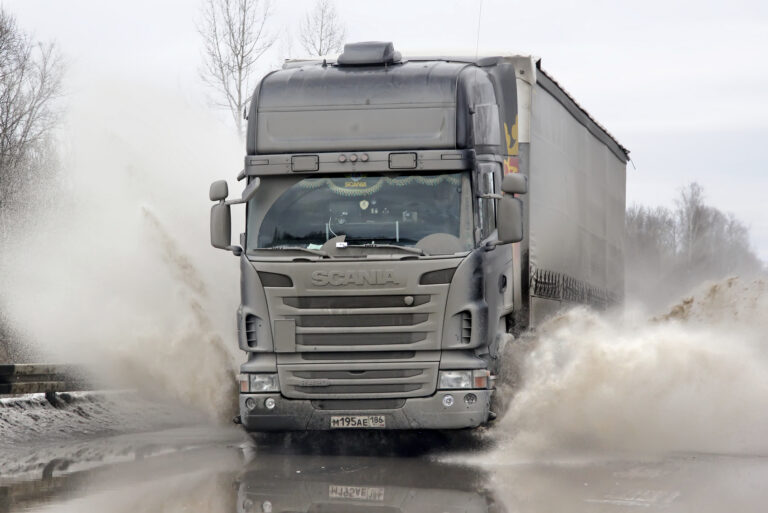
The Seward Highway is one of Alaska’s most iconic roadways. Stretching roughly 125 miles between Anchorage and Seward, it offers breathtaking views of Turnagain Arm, snow-covered mountains, and rugged coastal terrain. But while the scenery draws locals and tourists alike, winter transforms the Seward Highway into one of the most dangerous roads in the state.
From sudden weather changes to avalanche zones, Alaska winters amplify the risks already present on this heavily traveled highway. Understanding why the Seward Highway becomes especially hazardous during colder months can help drivers better prepare—and potentially prevent serious motor-vehicle accidents.
Rapidly Changing Winter Weather
One of the biggest dangers on the Seward Highway is how quickly weather conditions can change. Clear skies can turn into whiteout conditions within minutes, particularly near Turnagain Arm and mountain passes. Snowfall, freezing rain, and blowing snow can drastically reduce visibility, making it difficult for drivers to see other vehicles, road edges, or upcoming hazards.
High winds are another frequent winter issue, especially along the coastal stretches. Gusts can push vehicles out of their lanes, create drifting snow across the roadway, and worsen already slick conditions. For high-profile vehicles like trucks, vans, and RVs, these winds can be especially dangerous.
Ice, Black Ice, and Slippery Roads
Winter road conditions are a major contributor to accidents on the Seward Highway. Snow-packed lanes, icy bridges, and shaded curves make it difficult for vehicles to maintain traction. Black ice is particularly dangerous because it’s nearly invisible, often forming early in the morning, late at night, or after brief warming periods followed by refreezing.
Certain stretches of the highway receive limited sunlight during winter due to surrounding mountains, allowing ice to persist even after plowing or sanding. Drivers may think the road is safe, only to suddenly lose control when hitting an icy patch at highway speeds.
Avalanches and Rockfall Hazards
The Seward Highway passes through multiple avalanche zones, especially near Turnagain Pass. Heavy snowfall combined with steep terrain creates conditions where avalanches can—and do—occur. Although the Alaska Department of Transportation actively monitors avalanche risk and may temporarily close the highway, conditions can still change quickly.
Rockfalls are another winter hazard. Freeze-thaw cycles loosen rocks along the mountainsides, increasing the risk of debris falling onto the roadway. A sudden obstacle at high speeds can lead to serious collisions, especially when braking distances are already compromised by ice and snow.
Narrow Lanes and Limited Shoulders
Unlike many modern highways, portions of the Seward Highway are narrow, winding, and bordered by steep drop-offs or rock faces. During winter, snowbanks further reduce shoulder space, leaving little room for error. If a vehicle slides, there may be nowhere to safely recover.
Limited shoulders also make it harder for disabled vehicles to pull over and for emergency responders to reach crash scenes quickly. In winter storms, response times may be delayed, increasing the danger for injured motorists.
Heavy Traffic Despite Dangerous Conditions
Even in winter, the Seward Highway sees significant traffic. It’s a vital route for commuters, commercial vehicles, and supply transport, as well as recreational travelers heading to ski areas or winter destinations. This mix of local drivers, large trucks, and out-of-state visitors unfamiliar with Alaska winter driving increases the likelihood of accidents.
Wildlife Encounters in Winter
Moose and other wildlife remain active during winter months and are frequently seen along the Seward Highway. Snowbanks can push animals closer to the roadway, and low visibility makes it harder for drivers to spot them in time. Collisions with large animals like moose are especially dangerous and often result in severe injuries or fatalities.
Staying Safe on the Seward Highway in Winter
While winter driving on the Seward Highway is risky, proper preparation can significantly reduce the chances of an accident.
Drivers traveling this route during Alaska’s winter months should take the following precautions:
- Equip vehicles with proper winter tires and ensure brakes, lights, and wipers are in good working order
- Carry emergency supplies such as blankets, food, water, a flashlight, and a fully charged phone
- Check weather forecasts and Alaska road condition reports before departing and during travel
- Allow extra travel time and avoid rushing in poor weather conditions
- Reduce speed and increase following distance to account for icy or snow-covered roads
Even with careful planning, winter conditions on the Seward Highway can change without warning—making defensive driving and heightened awareness essential for staying safe.
Contact Farnsworth & Vance Personal Injury Lawyers for a Free Consultation
The Seward Highway’s natural beauty comes with serious winter dangers. Ice, avalanches, wildlife, and rapidly changing weather make it one of Alaska’s most hazardous roadways during colder months.
If you or a loved one has been injured on the Seward Highway, contact Farnsworth & Vance Personal Injury Lawyers for a free consultation. Our experienced Alaska personal injury lawyers can help you understand your rights and pursue the compensation you deserve.
For more information, please contact Farnsworth & Vance Personal Injury Lawyers to schedule a free consultation. We have two locations in Alaska, including Anchorage and Eagle River.
Farnsworth & Vance Personal Injury Lawyers – Anchorage
2525 Gambell St #410,
Anchorage, AK 99503
(907) 290-8980
Farnsworth & Vance Personal Injury Lawyers – Eagle River
13135 Old Glenn Hwy, Suite 101
Eagle River, AK 99577
(907) 802-4097