
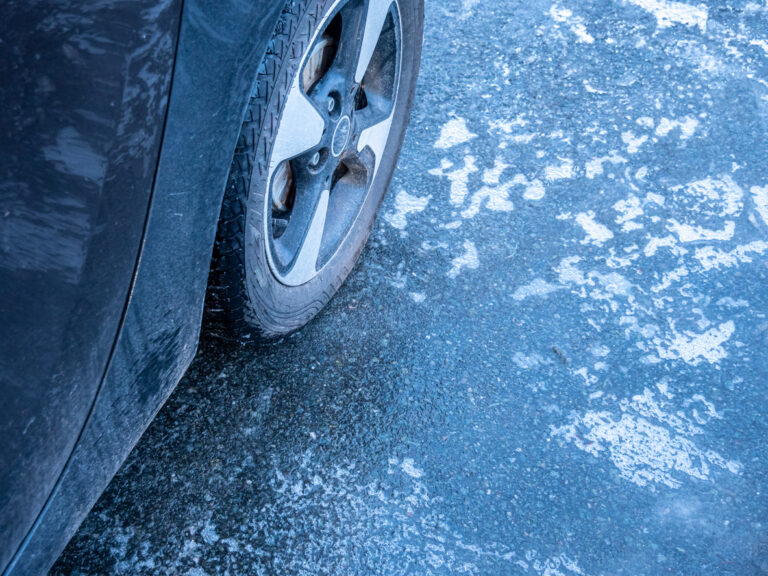
Winter weather can turn even familiar roads into dangerous terrain. When ice, sleet, or snow coats the pavement, a single mistake can quickly escalate into a multi-car pileup involving several vehicles and serious injuries. In the aftermath, one of the most common questions drivers ask is: “Who pays for the damages in a multi-car accident caused by icy roads?”
The answer depends on several factors, including fault, state law, insurance coverage, and the specific circumstances of the crash. Below, we break down how liability is typically determined and what accident victims should know.
Why Multi-Car Pileups Are So Complicated
Unlike a simple two-car collision, multi-vehicle accidents involve multiple drivers, insurers, and sometimes conflicting versions of events. On icy roads, visibility is often reduced, stopping distances increase, and chain-reaction crashes are common.
Insurance companies and investigators must determine:
- Which driver or drivers caused the initial collision
- Whether other drivers failed to react appropriately
- If any drivers were following too closely or driving too fast for conditions
Because more than one person may share responsibility, fault is rarely straightforward.
Does Ice Automatically Mean No One Is at Fault?
A common misconception is that icy conditions automatically excuse drivers from responsibility. That is not the case. Drivers are expected to adjust their behavior to road conditions.
This includes:
- Reducing speed
- Increasing following distance
- Using headlights and caution
- Avoiding sudden braking or sharp turns
If a driver loses control because they were speeding or following too closely—even on ice—they may still be found negligent.
How Fault Is Determined in Icy Multi-Car Accidents
Determining fault in an icy multi-car accident requires a close look at how the crash unfolded, starting with which vehicle triggered the chain reaction.
The Initial Impact Often Matters Most
In many pileups, the driver who caused the first collision may bear the largest share of liability. For example, if a driver rear-ends another vehicle because they were driving too fast for icy conditions, they may be responsible for the chain reaction that follows.
Multiple Drivers Can Share Fault
In Alaska, fault in a multi-car pileup is often shared among multiple drivers. While one driver may have caused the initial crash, others can contribute by following too closely, failing to slow down for icy roads, or reacting unsafely.
Alaska follows a pure comparative negligence rule, meaning you can typically still recover compensation even if you were partially at fault. Your damages will usually be reduced by your percentage of responsibility.
Evidence Plays a Major Role
Insurance companies rely heavily on evidence, including:
- Police accident reports
- Witness statements
- Dashcam or traffic camera footage
- Vehicle damage patterns
- Weather and road condition reports
This evidence helps reconstruct the sequence of events and assign fault.
Who Pays for Vehicle Damage and Injuries?
After a multi-car pileup, determining who pays for vehicle damage and injuries depends on fault, insurance coverage, and how many drivers were involved.
The At-Fault Driver’s Insurance
If one or more drivers are found at fault, their liability insurance typically pays for:
- Medical expenses
- Property damage
- Lost wages
- Pain and suffering
However, insurance policy limits may not be enough to cover all damages in a large pileup.
Your Own Insurance Coverage
In Alaska, your own auto insurance may help cover certain losses after a multi-car accident, regardless of who was at fault.
Depending on your policy, this may include:
- Collision coverage to pay for vehicle repairs
- Medical payments (MedPay) to help cover medical expenses
- Uninsured/underinsured motorist coverage if the at-fault driver does not have enough insurance
These coverages can be especially important in serious multi-vehicle crashes, where damages often exceed policy limits.
When the Government May Be Responsible
In rare situations, a government entity may share liability if poor road maintenance contributed to the accident, such as failing to treat known icy conditions. Claims against government agencies are complex and subject to strict deadlines.
Contact Farnsworth & Vance Personal Injury Lawyers for a Free Consultation
Multi-car pileups on icy roads can be legally and financially overwhelming. While harsh winter conditions are a factor, drivers are still responsible for adjusting their behavior and operating their vehicles safely. Determining who pays for damages depends on fault, insurance coverage, and the unique details of the crash.
If you were injured in a multi-vehicle accident, acting quickly and understanding your legal rights can make a meaningful difference in your recovery and financial future.
For more information, please contact an Anchorage auto accident lawyer at Farnsworth & Vance Personal Injury Lawyers to schedule a free consultation. We have two locations in Alaska, including Anchorage and Eagle River.
Farnsworth & Vance Personal Injury Lawyers – Anchorage
2525 Gambell St #410,
Anchorage, AK 99503
(907) 290-8980
Farnsworth & Vance Personal Injury Lawyers – Eagle River
13135 Old Glenn Hwy, Suite 101
Eagle River, AK 99577
(907) 802-4097